Growing Up with Type 1 Diabetes: A Young Athlete’s Real-Life Diabetes Diary
Lowen, a T1D Teenager and Athlete • February 25, 2020
TL;DR
Lowen was diagnosed with type 1 diabetes (T1D) at age three and is approaching his 10-year “diaversary.” As an active middle school athlete who competes in swimming and lacrosse, he shares real-life experiences managing blood sugar during sports, practices, and everyday life. Through trial and error—balancing insulin, food, and activity—Lowen has learned that planning ahead, monitoring blood glucose, and always carrying supplies are key to staying safe and performing well. His story shows that kids with T1D can stay active and pursue the sports they love.
Updated: April 15, 2026
Living with Type 1 Diabetes Since Age Three
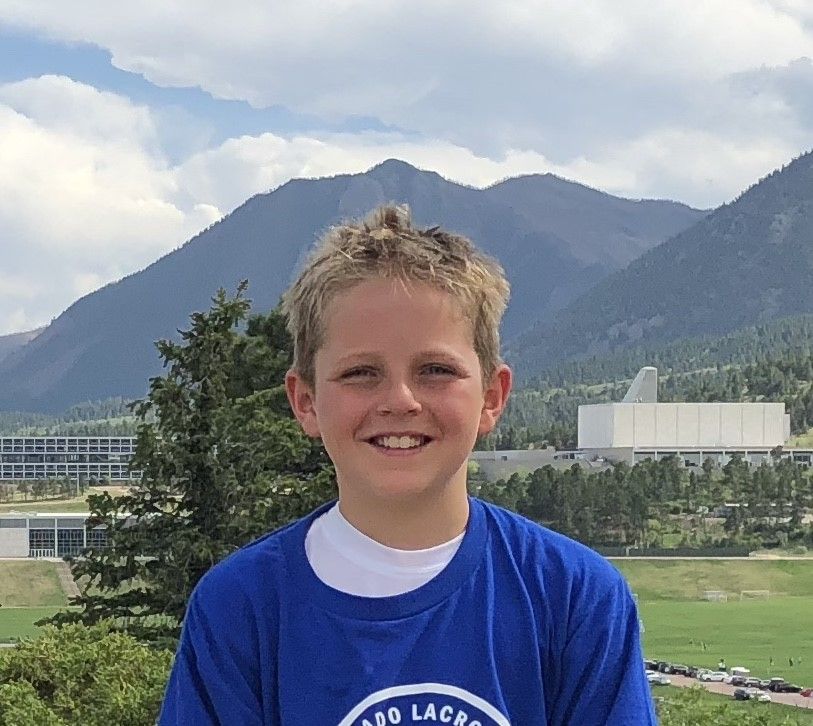
Hello, my name is Lowen. I was
diagnosed with T1D when I was three. I turn 13 in a few weeks and am coming up on my 10-year diaversary. I’m pretty active in sports (swimming and lacrosse) and am hopeful that my insights will help others: either those that are newly diagnosed, those that are starting to play sports, or those interested in learning more about the ins and outs of living with type one diabetes.
Managing Blood Sugar During Sports and Daily Life
January 1, 2020: Today, I had some pretty good numbers but I did get low a couple of times. When I’m low I like to have either some milk and crackers or just some juice. Usually at night I have milk because it has more of a long-term effect. I had swim practice this morning. I find the early morning activity helps balance out my numbers throughout the day. I usually have a few juice boxes in my bag, just in case I get low during practice.
Lessons from Swim Practices and Competitions
January 25, 2020: I had a swim meet today, which was fun. On the way to the meet, we stopped at McDonald’s and got sausage McMuffins. I didn’t realize how high my numbers were, so I corrected with some insulin. This was one of those days where the timing worked against me. Not only did I have to wait about an hour to eat my breakfast, but the insulin kicked in right before warmups, so my BG crashed and I had to start late. It wasn’t too big a deal, just one of those days.
The rest of the day I had some crazy numbers. That usually isn’t good. Sometimes I just leave it until it goes back to normal. Sometimes giving too much insulin is a problem because then you have to have a big snack. Most of the time, though, that causes you to go high again because you didn’t wait for the carbs to kick in. Some days, you just chase it.
Some Days Are Unpredictable
February 1, 2020: I had swim practice in the morning, which was fun. Usually swimming helps my numbers but for some reason today I was high. Either way I still felt pretty good. I was relaxing almost all day so that contributed to the high numbers.
Trying New Diabetes Technology: The Omnipod Insulin Pump
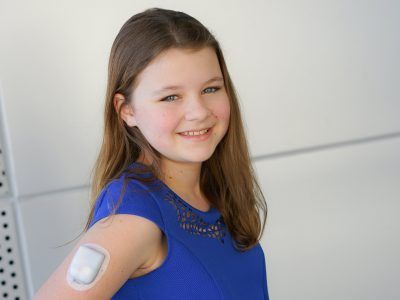
February 15, 2020: This is my first weekend on the Omnipod Insulin Pump and it is going pretty well. I haven’t had too many severe lows or highs and the Omnipod is a lot better than I expected. The doctor said that it would take some tweaking and getting used to, but the only problem for me is the little clicks (when it starts pumping insulin). The whole system is actually pretty cool, especially how one device talks to the other.
Managing Diabetes Devices: CGMs and Insulin Pumps
February 23, 2020: Today I had to change my Dexcom. Since the Omnipod pump and the CGM have to be on the same side of my body, I have to plan ahead for where each device goes. The CGM gets changed every 10 days, but the pump gets changed every three, so that complicates things a lot. I ended up putting the CGM on my arm and the pod on my stomach, so when I change my pod in a few days, I’ll just put the pod on my leg next time.
Final Tips for Kids with Type 1 Diabetes
The number one thing that you have to remember is that you always have to have the right gear. The second – and just as important – thing, is to plan ahead. You never want to run out of supplies and you always want to have an emergency supply of juices or fast-acting sugars. I think that you need to pay attention to your numbers because you don’t want to have a big high or be really low.

The Power of Screening & Early Detection for Type 1 Diabetes: The Diagnosis I Wish We Could Have Had