Because of Diabetes, I Am Who I Am Today: A Personal Journey
Sasha Amiscaray • April 15, 2026
TL;DR
After 15 years of living with type 1 diabetes, Sasha shares her journey from diagnosis and denial to acceptance, advocacy, and a career in healthcare. Through challenges like fear of injections, managing diabetes as an athlete, and navigating school and college, she discovered strength, community, and purpose. Her story shows that while diabetes is difficult, it can also shape identity, open doors, and lead to meaningful connections and opportunities.
Early Signs and Diagnosis of Type 1 Diabetes
Diabetes sucks. There isn’t really an easier or better way to put it. Nearly fifteen years ago, on November 11, 2011, I was diagnosed with type 1 diabetes (T1D). Let me walk you through those fifteen years, starting with before my diagnosis.
Right before I was diagnosed, I was showing a lot of symptoms of T1D. I was losing weight, drinking lots of water, constantly fatigued, using the restroom a lot, and I had even started wetting the bed again. Thankfully, my mom quickly caught onto the fact that something was wrong, and she made me an appointment with my pediatrician. At the appointment, they tested my blood glucose and ketones. Before I knew it, I was on my way to Children’s Hospital because my doctor thought I might have T1D. On the way there, I ate pasta, which in hindsight was not the best idea. But how was I supposed to know? At the hospital, they confirmed my T1D diagnosis. I was given my first insulin shot, sent home, and was told to go to the Barbara Davis Center (BDC) in the morning for my new onset education.
Adjusting to Life with Type 1 Diabetes as a Child
I’ll be honest; I never once gave myself a shot when I was doing multiple daily injections (MDI). I wouldn’t even poke my finger or count my carbohydrates for the longest time.
My parents counted down when they would poke my finger, so it wouldn’t take me by surprise. Eventually, I started using an insulin pump and a
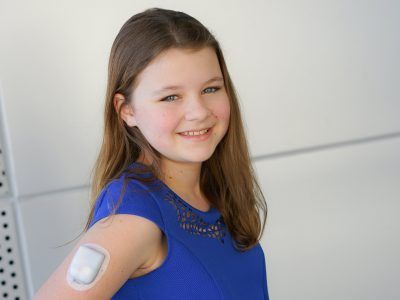
continuous glucose monitor (CGM). I didn’t insert my own site or CGM for several years, and I hated
doing my site changes without numbing cream. Part of the reason why was because I was in denial. I wanted to be a “normal” kid like all of my friends. The other reason was because I feared that the needles would hurt me. It’s alright to be scared though, no matter the reason, and I think anyone could tell you that.
The Impact of Diabetes Camp on Confidence
Towards the end of high school, I decided to become a counselor in training (CIT) for diabetes camp. I quickly wished I had done that in the years prior because it was such an incredible experience. At the two camps where I was at CIT, I learned so much about myself and the community.
One of my campers told me the one thing she wanted to accomplish while she was at camp was to do what she loved and not let diabetes hold her back. (Spoiler alert: she is now in high school,
playing sports, and is thriving!) Looking back, one of my favorite parts was seeing these kids do anything and everything they wanted to without worrying about T1D. Diabetes camp is a great place for kids and teens to not only see that they have no limits but to also try new things. I loved being there for the campers and being someone who they could talk to and look up to. Being older than them, they were able to ask me questions about my experiences with T1D, even though some of them have had diabetes for longer than I have.

Living an Active Life with Type 1 Diabetes
Growing up, I was a competitive dancer. Over the years I had different opportunities to represent the diabetes community from the stage. On several occasions, I had parents and other dancers approach me because they saw my CGM and realized I have T1D. Once, I had a mom approach me at a dance competition and mention her daughter, who also has T1D. She saw my CGM and thought it was so amazing that I wore it on stage. Over time, these moments came to mean so much to me. Since then, I went on to dance for my university’s dance team. Balancing being an athlete and a college student as a type 1 diabetic was not always easy, but it is by no means impossible. Before I knew it, I had graduated from college with my bachelor's degree!
Turning Lived Experience Into a Career in Diabetes Care
Now, as a young adult, I have returned to diabetes camp as a counselor. I still take dance classes when given the opportunity. I have discovered I enjoy pickleball, and I also love to read in my down time when I’m not with friends or family. One summer during college, I safely traveled out of the country to Israel for an entire month by myself! Upon graduating college, I was presented with the opportunity to work as a medical assistant at the BDC in their pediatric clinic. Getting hired at the BDC was a full circle moment for me, having been a patient there since my diagnosis. One of my favorite parts of my job is getting to see the patients grow up. The first new onset that I checked in all by myself is so tall and grown up that I hardly recognize him from when I first met him.
Finding Gratitude and Purpose While Living with Type 1 Diabetes
Like I previously said, diabetes sucks. Now, while that is true, I promise it doesn’t always have to suck. Believe me, I’ve spent many nights wishing I never had diabetes. When I was first diagnosed, I had no idea what my life would look like anymore. However, my life has never looked different from what I previously imagined before my diagnosis. Growing up, I was always able to do everything I wanted to and anything my friends did, albeit with a little extra work to account for my diabetes.
Although I lost what I defined as “normalcy” almost fifteen years ago, I no longer wish I could go back to that. Because of diabetes, I am who I am today. I have been given some incredible opportunities, and I have met amazing people too. I met several of my closest friends because of T1D, whether it was through camp, work, or something else related to diabetes. I wouldn’t be where I am today if it weren’t for T1D, and so for all the good, bad, and in-between it has caused; I am thankful. Yes, diabetes can suck. But trust me when I say it is possible to find the good in the not-so-good.
About the Author
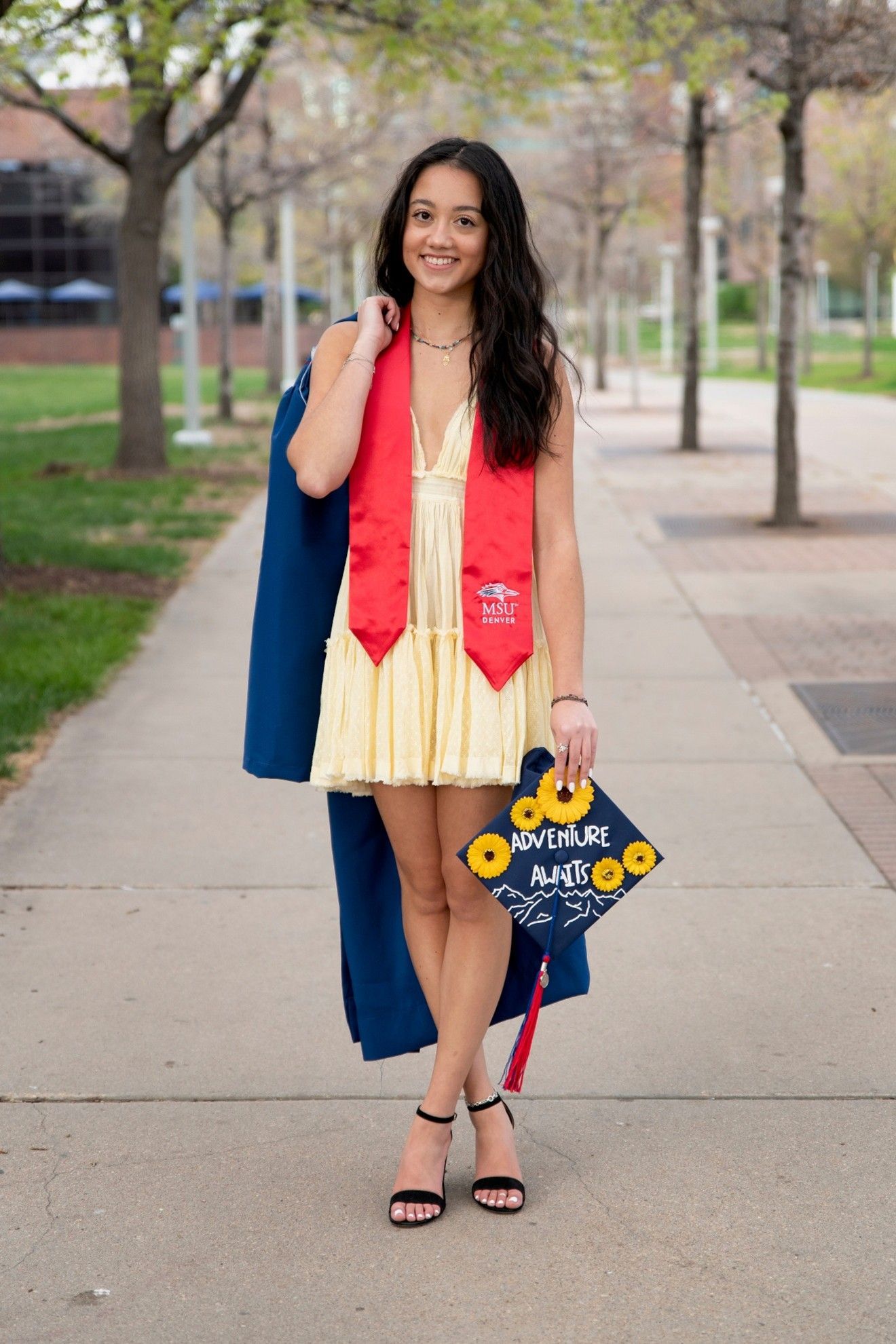
Sasha Amiscaray has been a T1D for 15 years and is now a Medical Assistant at the Barbara Davis Center for Diabetes.
The Power of Screening & Early Detection for Type 1 Diabetes: The Diagnosis I Wish We Could Have Had