Living With Type 1 Diabetes, Vision Loss, and Motherhood: Finding Strength in a Difficult Season
Mary Ann Chamberlain • May 11, 2026
TL;DR
This personal story explores what it means to live with type 1 diabetes, diabetic retinopathy, vision loss, and new motherhood all at once. After years of managing diabetes on autopilot, the author faced grief, disability, and major life changes that forced a new perspective on self-care, mental health, and self-advocacy. Her journey shows that living well with diabetes is not about perfection — it is about kindness, resilience, speaking up, and learning to prioritize your whole self.
What It’s Like to Grow Up with T1D on Autopilot
When I was diagnosed with type 1 diabetes at a young age, my parents took full control of my care. There was no grand reckoning, no space to question it. It was almost as if I went into autopilot — because what choice did I really have? This was my life now. You adapt, you comply, you move forward.
For years, that mindset followed me. Diabetes was something to manage, not something to feel too deeply about. Survival mode has a way of narrowing your focus.
Fast forward to adulthood, and that autopilot finally broke.
When Adulthood Changes Your Relationship with T1D
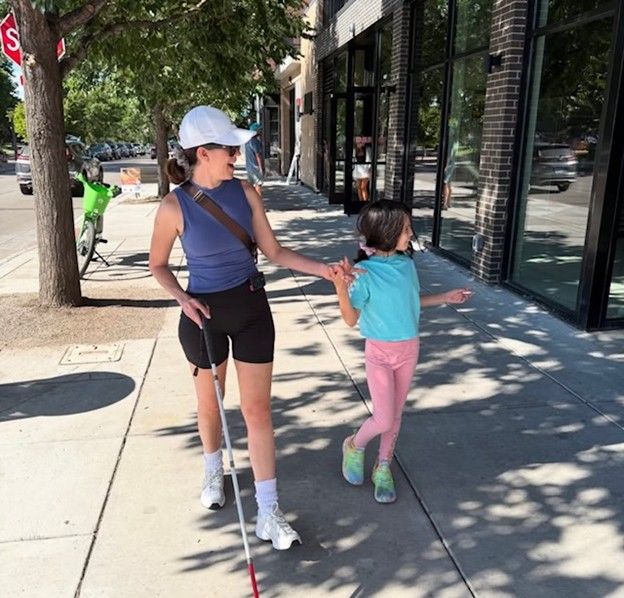
I found myself in the middle of several life-altering moments at once: navigating new motherhood, grieving the loss of my own mother, and riding the emotional rollercoaster of a diabetic retinopathy diagnosis that would eventually lead to vision loss. It felt like too much — layered grief, fear, and responsibility colliding all at once.
And in the middle of it all, I had a quiet but unavoidable realization: this was my chance to finally prioritize myself.
A Wake-Up Call for Self-Care
That’s a strange thing to admit, especially as a new mom. Self-care can feel indulgent when someone else depends on you for everything. But life didn’t leave me much room to ignore myself anymore.
It might sound silly to some people, but I’m grateful for my vision loss.
Not because it was easy. Not because it didn’t hurt. But because I needed a reality check—one that forced me to slow down, listen to my body, and treat myself with more kindness than I ever had before. I had spent years striving for control and perfection, especially with diabetes, without realizing how hard I was being on myself.
Why Self-Advocacy Matters in Type 1 Diabetes Care
This chapter also taught me how to advocate for myself — even in rooms where I was surrounded by people with medical degrees. It taught me that lived experience matters, that asking questions isn’t defiance, and that speaking up for my body isn’t disrespectful. I learned that being a “good patient” doesn’t mean being a silent one.
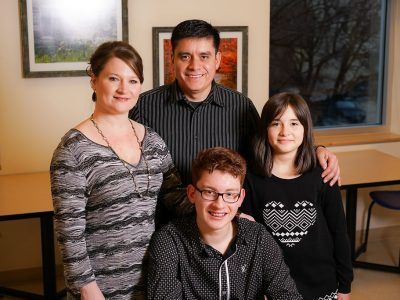
Now, I had a bigger reason to change, I had a daughter watching me.
I realized that how I handled this — how I spoke to myself, how I showed up on the hard days — was teaching her something. I wanted her to see that when life gets heavy, when your body changes, when things don’t go as planned, you don’t give up on yourself. You step up for yourself.
I wanted her to see that people all over the world live full, meaningful lives with medical conditions, disabilities, and complications—and that none of those things make someone less worthy, less capable, or less whole.
Living a Full Life with Type 1 Diabetes and Disability
This chapter of my life has taught me a lot. It taught me to be a better person. It taught me deeper empathy — especially for others living with type 1 diabetes and disabilities. It taught me how to advocate for myself, even when it felt uncomfortable. It taught me that perfection is not the goal in diabetes management.
And maybe most importantly, it taught me that mental health and emotional wellness are not “extras.” They are part of the daily operations of living with type 1 diabetes and low vision. They matter just as much as numbers, appointments, and routines.
A difficult hand doesn’t always make you stronger overnight. Sometimes it just makes you more honest — with yourself and with others. And sometimes, gratitude doesn’t arrive as relief.
Sometimes it arrives disguised as disruption, asking you to finally take care of the person you’ve been surviving for all along.
About the Author:
Mary Ann Chamberlain has been living with Type 1 Diabetes for nearly four decades, having been diagnosed at just seven years old. She has navigated life with diabetes through every stage—from childhood and adolescence to adulthood, motherhood, and raising a family—gaining resilience, perspective, and purpose along the way.
While she has experienced complications from long-term diabetes, they have never defined her. Instead, they have strengthened her voice and deepened her commitment to advocacy. Today, Mary Ann supports and connects with others across the Type 1 Diabetes community, including parents of young children, teens, young adults, and adults newly navigating the condition.
Through sharing her lived experience, she has built meaningful connections and continues to advocate for more accessible, compassionate care and awareness. If given the chance to change her diagnosis, she wouldn’t—because it has shaped who she is today.
She shares her journey on Instagram at @owningt1dwithma.

The Power of Screening & Early Detection for Type 1 Diabetes: The Diagnosis I Wish We Could Have Had