Type 1 vs Type 2 Diabetes: Key Differences, Symptoms & Diagnosis
Dr. Paul Wadwa, MD • April 24, 2026
TL;DR
Type 1 diabetes is an autoimmune condition that stops the body from making insulin and requires lifelong insulin therapy. Type 2 diabetes is caused by insulin resistance and may be managed with lifestyle changes or medications. While both share similar symptoms, misdiagnosis can happen — especially in adults — making proper testing and medical evaluation essential.
What Is the Difference Between Type 1 & Type 2 Diabetes?
It is very common for people who do not have type 1 diabetes to confuse type 1 (T1D) with type 2 diabetes (T2D). Adults (and occasionally teenagers) can be diagnosed with T2D when in fact they have T1D. So what is the difference between the two and how can someone tell if they may have been misdiagnosed?
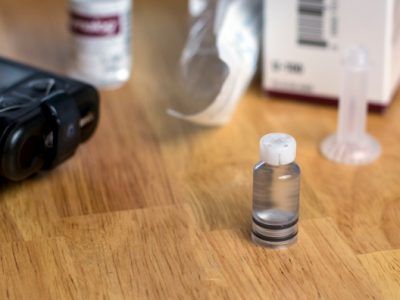
T1D is an absolute deficiency of insulin due to an autoimmune process. The autoimmune attack on the pancreas leads to a loss of cells that make insulin (beta cells). The only treatment for someone with T1D is insulin. Most people with T1D use
insulin pumps or insulin injections.
T2D is predominately due to insulin resistance. This means that the body can make insulin, but because it does not respond well to insulin (“insulin resistance”). The body needs more insulin than it can produce. Sometimes T2D can be treated with diet and exercise or oral or injectable medications, and sometimes T2D eventually needs to be treated with insulin.
Symptoms of Type 1 and Type 2 Diabetes
In both cases, people usually have symptoms of increased thirst and needing to urinate more than usual due to high blood sugar. However, it is much more common for someone with T1D to be
severely ill at diagnosis than those with T2D, who often do not feel sick at diagnosis. Both T1D and T2D can run in families, but people with T2D are much more likely to have a relative with T2D. Most people with a new diagnosis of T1D have no known relative with the disease.
Who Is Most Likely to Develop Each Type?
Over 90% of children with diabetes have T1D, while most people diagnosed with diabetes in adulthood have T2D. However, T2D can be seen in children (most often in overweight or obese children after puberty has started) and T1D can occur in adults (often adults with T1D are leaner at diagnosis than those with T2D). In adults with T1D, it can sometimes take longer to lose the cells that make and release insulin (beta cells) compared to children, which can make it harder to distinguish between T1D and T2D.
Can Type 1 Diabetes Be Misdiagnosed as Type 2?
When a child presents with diabetes, blood tests to check for antibodies are often obtained and this, in addition to other clinical factors, are used to diagnose T1D versus T2D. If someone is misdiagnosed with T2D, they will notice that symptoms and blood sugars are not improving or are worsening on medications used to treat T2D. They may continue to lose weight and will often become more and more ill until insulin is started. Children will tend to become ill more rapidly than adults will. If there is any concern for misdiagnosis, it is important to talk with your doctor. Obtaining diabetes autoantibodies can help in determining whether someone has T1D.



The Power of Screening & Early Detection for Type 1 Diabetes: The Diagnosis I Wish We Could Have Had