
T1D Devices
Devices Used in the Management of Type 1 Diabetes
Managing type 1 diabetes (T1D) can be challenging, but modern technology offers a variety of devices that help individuals maintain better control over their blood sugar levels and lead healthier, more active lives. You can download the Newly Diagnosed Diabetes Tech Guide below to learn about what diabetes technology is, how it can help you, and how to use it to thrive with diabetes.
FAQs About Devices Used to Manage T1D
What are blood glucose testing meters?
Blood glucose meters are utilized to test blood sugar levels by using a test strip and a lancing device. The lancing device pricks your finger to obtain a blood sample, which is then placed on the test strip. Some meters offer alternative lancing sites like the forearm or toe, though they may not be appropriate for all patients. There are many different brands and models of meters that offer a variety of functions and come at a variety of costs. Health insurance carriers each cover different brands, and some can be purchased over the counter at retail pharmacies.
What is a CGM?
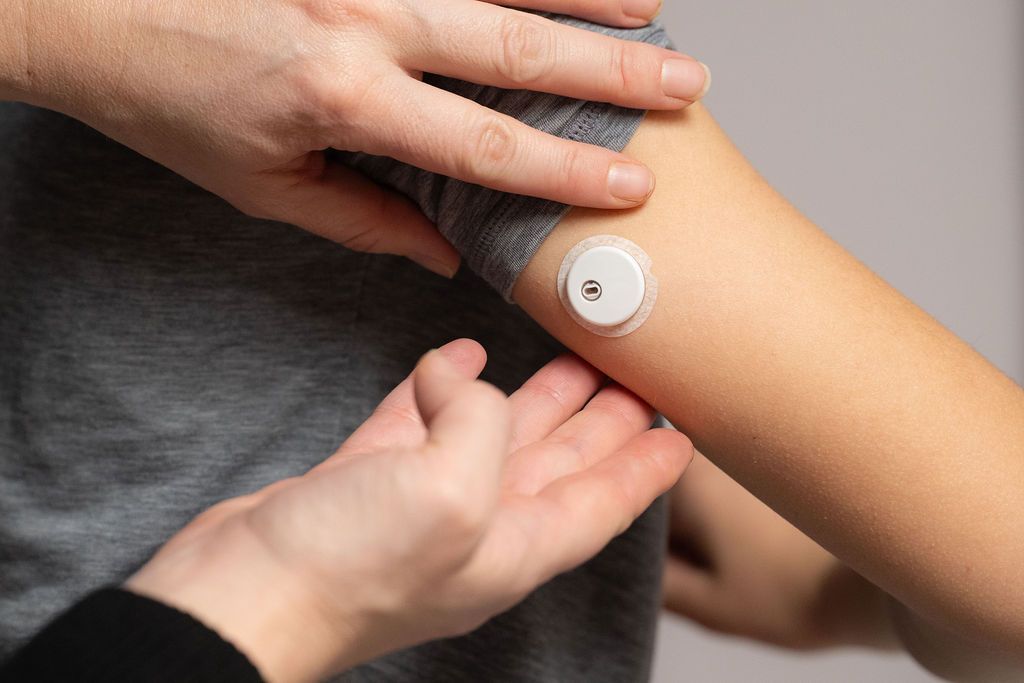
A continuous glucose monitor (CGM) provides real-time estimates of your glucose levels every 1-5 minutes and tracks them over time. It allows you to monitor your blood glucose continuously levels and observe how they fluctuate over hours or days to identify patterns. By having immediate access to your blood glucose data, you can make better-informed choices about your diet, physical activity, and medication intake.
The CGM has a small sensor that is inserted under your skin, held in place by a disposable adhesive patch. The sensor measures glucose levels in the interstitial fluid between cells, reflecting your blood glucose levels. Sensors need to be replaced periodically, typically every 7-15 days, depending on the sensor type. The CGM also includes a transmitter that wirelessly sends data to a software program stored on a smartphone, insulin pump, or a separate receiver device. A doctor will need to provide a prescription for the CGM. Insurance coverage and out of pocket costs vary, so check with your healthcare team.
What does MDI stand for?
Many people manage T1D with multiple daily injections (MDI) with syringes and insulin pens to administer insulin. This therapy typically involves a combination of both long-acting (basal) and rapid-acting (bolus) insulins. Long-acting insulin continuously provides a low level of insulin in the blood, while rapid-acting insulin is given to account for meals, snacks, and to correct high blood-sugar levels. Injections are given in the thigh, buttocks, abdomen, or upper arms.
What is an insulin pen?
Insulin pens are injector devices that look like writing pens and are used to administer insulin for management of T1D. These pens feature a disposable needle at one end with a reservoir or cartridge storing the insulin inside. They can either be disposable (prefilled pens) or reusable (replaceable cartridges).
What is a smart insulin pen?
A smart insulin pen is a reusable device that connects to a smartphone app. It can be a reusable insulin pen or come as an extension for other insulin pens. This system calculates and monitors doses, offers useful reminders, alerts, and generates reports.
What does an insulin pump do?
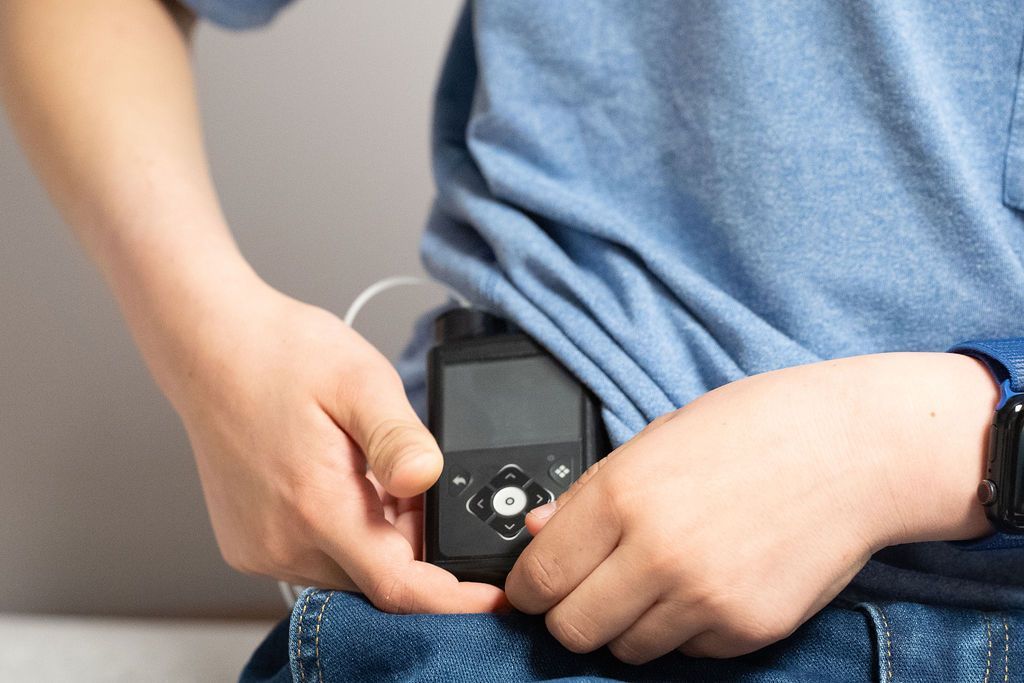
An insulin pump is a compact computerized device that administers insulin through a thin tube inserted under your skin. It mimics the body's natural insulin release by providing a steady basal insulin flow throughout the day and night, as well as additional bolus doses for meals The pump can be programed for both basal and bolus dosages, adjusting the bolus as needed for varying food intake. In addition to mealtime, a bolus can also be given for a correction dose when there are high blood glucose levels. The pump is secured to your body using an infusion set consisting of thin plastic tubing and either a needle or a small cannula placed under the skin. The insertion point (belly, buttocks, arm, or thigh) is known as the infusion site. Most pumps have inserters for easier placement, even in challenging-to-reach areas. and snacks.
What is an AID System?
AID (automated insulin delivery) systems are modern insulin pumps that connect with a CGM and run a computer program to assist blood sugar management by adjusting insulin delivery according to blood sugar readings. By increasing, decreasing, or even stopping insulin delivery, these systems reduce the frequency and severity of high and low blood sugar.
There are several different versions currently available, each with their own features.
How do I test for ketones?
People with T1D can check ketone levels in the blood or the urine. A blood ketone meter works like a blood sugar testing meter. You will prick your finger using a lancing device and put the blood on a ketone test strip. The meter will then display the result.
You can also check ketone levels using urine test strips by urinating on the end of the test strip or dipping the end of the strip in a urine sample. You then wait for the color on the test pad to change, matching the color on your test strip with the color chart on the ketone strip bottle to determine your ketone levels.
Both ketone test strips and ketone blood meters can be prescribed by your doctor or picked up over the counter at most local pharmacies common stores. New technology is just around the corner that will also combine CGM sensors with the ability to check for ketones!
What accessories are available for my T1D devices?
There are many different accessories people use for T1D management devices, including:
• Carrying cases
• Belt/bra clips
• Holding straps
• Device cases similar to a cell phone case
• Supply packs and cases
• Adhesives
• Decorative stickers and decals
• Cooling containers
Accessories can be ordered via the manufacturer of the device or on websites such as Amazon and Etsy. Many independent small businesses sell them as well.