From Diagnosis to Independence: A Father and Doctor’s 15-Year Journey with His Daughter’s Type 1 Diabetes
Aaron Rea, Physician and Parent of a T1D • March 30, 2026
TL;DR
When a physician becomes a parent of a child with type 1 diabetes, the experience is both deeply personal and profoundly humbling. This story follows one family’s journey from a shocking diagnosis in early childhood to raising a confident, independent teenager—highlighting the realities of managing T1D, the importance of expert care, and the power of resilience, technology, and community support.
Part I: September 17, 2015
When a Physician Becomes a Parent of a Child with T1D
One day prior to my daughter’s diagnosis, I knew nothing about the Barbara Davis Center for Diabetes. I also knew very little about type 1 diabetes. I am a Johns Hopkins-trained anesthesiologist and had been in private practice in Denver for a little over two years when Margot was diagnosed. Throughout my medical school and anesthesia training, the curricula and exposure to T1D was superficial at best – we learned about T1D, but the focus was much more on type 2 diabetes.
On the day that would change our lives forever, I didn’t even know that a 2-year-old could be diagnosed with diabetes. Unfortunately, the collision of fatherhood and medicine occurred at 2 a.m. on December 30, 2010.
Recognizing Early Symptoms of T1D in a Toddler
Margot had been experiencing a few
classic symptoms of T1D over a 10-day period. She seemed to be drinking more water during the day and at night, she was having episodes of soaking through her diapers and waking up with wet pajamas. My wife Nikki and I thought this just might be a phase. But my medical training had me thinking otherwise.
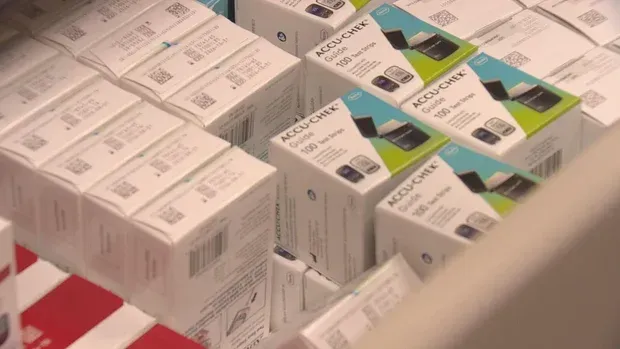
On December 30, while visiting family in Nebraska for the Christmas holiday, Margot again woke us up crying due to her soaking wet pajamas. We were staying with a family member who had type 2 diabetes, and I figured there had to be an extra blood glucose meter laying around somewhere. So in the dark of night, I rummaged through the kitchen and found a glucose meter and test strips. I told my wife I was going to just check Margot’s blood sugar so I could stop overthinking things.
A Life-Changing Blood Sugar Reading
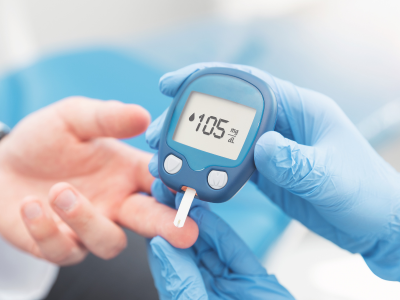
Margot’s first blood sugar reading was 535. An immediate lump in my throat formed, my heart rate jumped and my blood pressure elevated to the point where I could feel my heartbeat pulsing in my head and neck. My medical mind evaluated the number, and I figured maybe the test strip had gone bad or maybe the meter was malfunctioning. I repeated the test on Margot, this time the meter read HIGH GLUCOSE. At this point, the meter had given me two results that I so desperately wanted to be in error.
I decided that I needed a control sample of blood to prove the test strip and/or meter was malfunctioning. If I proved that the test strip or meter was not working properly, then we could all go back to sleep and enjoy the rest of the Christmas holiday. I poked my finger and tested my blood sugar. My worst fears were confirmed by the “96” that appeared on the meter’s screen.
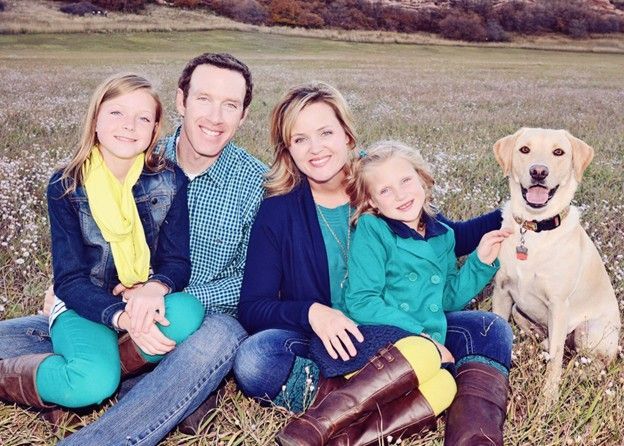
I can still remember the “buzz” I felt in my head and the ache that developed in my heart at that moment as if it was yesterday. I didn’t truly know what to expect in those first few moments, but I knew the life for my darling Margot, beautiful wife Nikki and sweet big sister Audrey would be forever changed.
Navigating Hospitalization & Information Overload
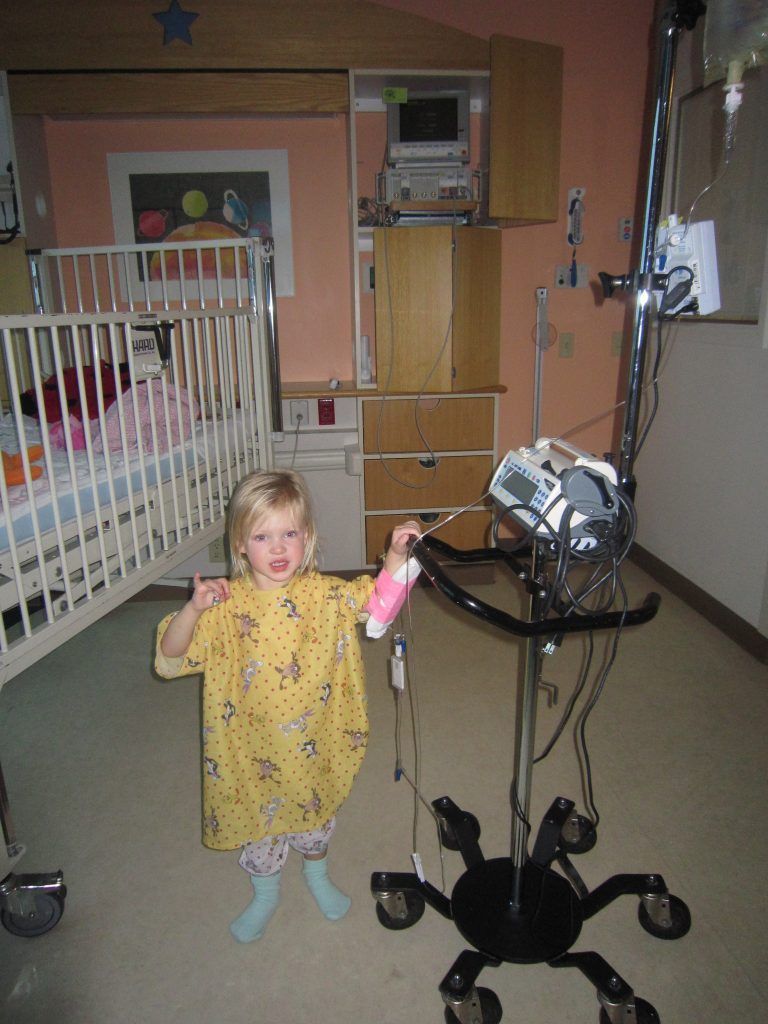
By 7 a.m. on December 30, Margot was admitted to Children’s Hospital in Omaha. I was now trying my best to be more of a father and less of a physician, but at big moments like these, separating the roles is almost impossible.
The flood of information you receive at the hospital after your child is diagnosed with type one diabetes is simply overwhelming. As a physician, I was able to successfully process a lot of the medical information. As a father, I had a hard time seeing past the fact that my previously healthy child now had a life-threatening condition with no cure.
Finding Expert Care: A Leading Diabetes Center
I first learned about the Barbara Davis Center from the physicians and nurses at Children’s Hospital in Omaha. They told me one of the best type 1 diabetes centers in the world was located at the University of Colorado. They gave me a copy of the “Pink Panther Book” – Understanding Diabetes, by H. Peter Chase, MD and David M. Maahs, MD, PhD and told me the author was still a practicing physician at the BDC.
Everything that day was a blur, but I distinctly remember someone telling me how lucky we were to live in Denver. The Children’s Hospital in Omaha contacted the Barbara Davis Center for us and set up our first appointment with Paul Wadwa, MD. Our first appointment proved what everyone had told us. The BDC was a world class institution that cares not only for children with T1D, but their family members as well. Dr. Wadwa and his entire team sat down with us, taught us about type 1 diabetes, answered question after question and reassured us that we could manage type 1 diabetes safely and effectively. If we ever have a question, concern, insurance issue or need anything related to Margot’s care, we call or go to the BDC.
Advances in Type 1 Diabetes Care: Pumps, CGMs, and Research
The BDC integrates clinical medicine with leading research in the quest to improve diabetes care and ultimately find a cure. Margot has already participated in an insulin pump study aimed at developing the algorithms to be used in artificial pancreas research and development. Audrey, our oldest daughter, has participated in blood antibody studies for the siblings of those with T1D. The work being done by the BDC supports and improves the lives of those in my family and it also impacts the lives of those living with T1D around the world.
Denver is known around the world for having the majestic Rocky Mountain Front Range, which dramatically rises to the west of our beautiful city. On a clear day, if you stand in the middle of Denver, you can see three imposing fourteen-thousand-foot peaks. Pikes Peak to the south, Mount Evans directly to the west, and Longs Peak to the north.
From this same vantage point, patients and families affected by type 1 diabetes, can look to the east and know that the
Barbara Davis Center for Childhood Diabetes stands for them at the University of Colorado. It can be a rock, a true foundation for those forced to live with type 1 diabetes. The work done within the walls of the Barbara Davis Center is nothing short of amazing and miraculous. I dream of the day when the Barbara Davis Center can close its doors because type 1 diabetes has been cured. Until then, I will advocate for and support those involved with the Barbara Davis Center as they continue their noble quest to conquer type 1 diabetes.
Part II: March 30, 2026
Raising an Independent Teen with Type 1 Diabetes
It is hard for me to believe that more than 10 years have passed since my previous post. Summarizing life with type 1 diabetes is no easy task, but I am happy to report that Margot is a thriving 17-year-old in her junior year of high school.
The past decade has certainly not been without challenges, but that is all part of the experience for those living with type 1 diabetes. Margot has been an inspiration not only to our family, but also her friends, teammates, teachers and coworkers. She is fiercely independent in managing her diabetes, yet she also knows when to ask for help. One of the central principles we have embraced as a family is that living with type 1 diabetes is a team sport.
Teaching Children to Manage Type 1 Diabetes from a Young Age
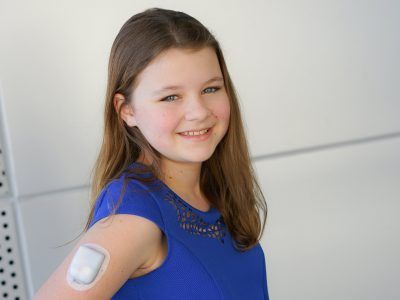
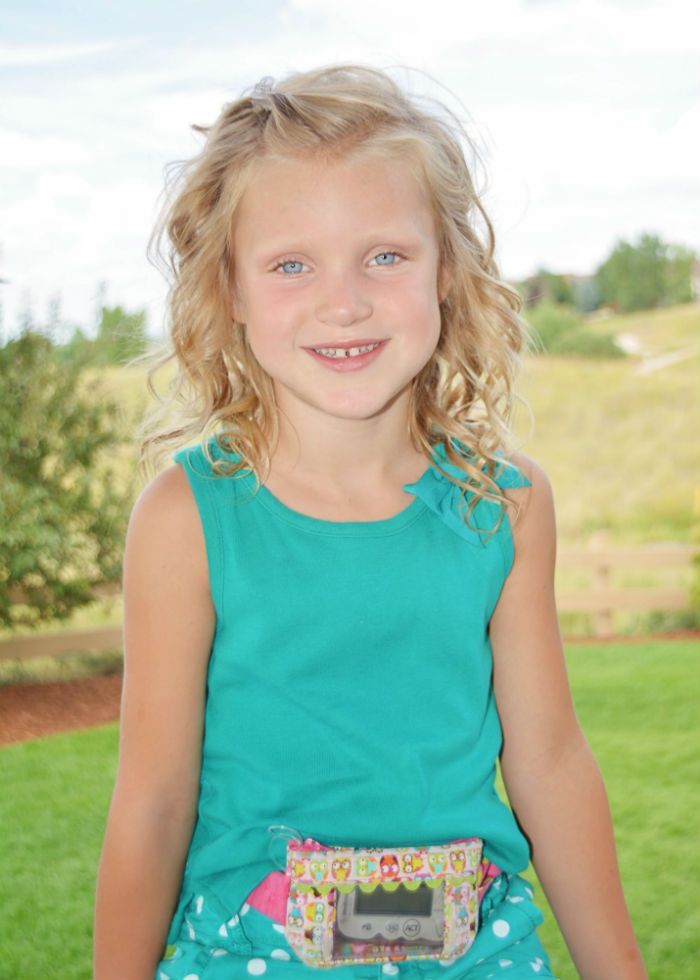
Since the age of three, Margot took ownership of her care. She began by poking her own finger to test her blood, using a test strip and glucose meter. As she became a little bit older, she then would insert her own insulin infusion pump sites. And as continuous glucose monitoring (CGM), technology advanced, she would also place her own CGM sensors. All these management tools involve needles, some blood and some pain. These are things few children, other than those living with type 1, ever experience.
Why Type 1 Diabetes Management Is a Lifelong Team Effort
Now, at the age of 17, her mother and I serve mostly as consultants, offering guidance when needed while she independently manages her CGM, her insulin pump, the insulin pump app on her phone, her insulin pump sites, insulin cartridges, insulin vials and overall diabetes care. The list of supplies and dedication needed to live a healthy life with type 1 diabetes is staggering.
As parents, you hope your child will grow into an adult that manages this condition with vigilance and care. Unfortunately, the worry and angst parents experience, over 24/7 blood sugar management never goes away. Even with the most advanced insulin pump technology and continuous glucose monitoring, type one diabetes is a challenge that requires constant attention, thoughtful decision-making and a willingness to accept uncertainty.

Balancing Diabetes, School, Sports, and a Full Life
In the face of all of this, Margot is a person who lives life to the fullest! She has energy and spirit that is unmatched by most. She brings happiness, humor, and love to those around her. From an exceptionally young age, she has faced challenges that require resilience beyond her years, all while striving to fight for a full and normal life.
To say that Margot is busy is an understatement. In addition to taking a demanding course load in high school, she plays competitive club volleyball and plays for the high school volleyball program at Rock Canyon. She is actively involved in her school’s media organization, RCTV, where she hosts a school news program on a regular basis, produces field reports, and creates promotional videos for school athletics. Margot also balances part-time work as a retail associate at Aerie.
Advocacy, Research, and Giving Back to the T1D Community
Over the past decade, Margot has been deeply committed to advocacy and fundraising for the type 1 diabetes community. Our family has supported the Children’s Diabetes Foundation (CDF) through fundraising efforts and awareness initiatives.
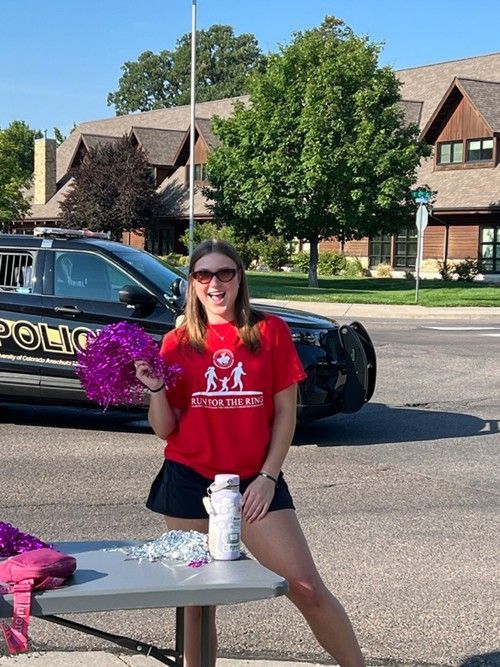
Margot has also been more deeply involved in the past few years as an advocate for the Children’s Diabetes Foundation. She participates in various fundraising and awareness events each year, which include the Carousel of Hope Ball (Beverly Hills and Denver) and the CDF Brass Ring Luncheon & Fashion Show, CDF Run for the Ring, and CDF Boo Bash where she and her volleyball teammates volunteer to hand out Halloween treats to younger children living with type 1 diabetes. She has also participated in various scientific research studies at the Barbara Davis Center focusing on insulin pump therapy and closed loop continuous glucose monitoring and treatment protocols.
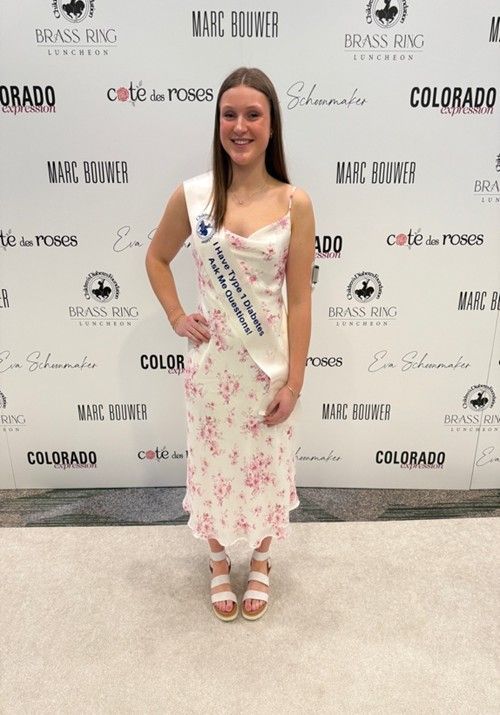
As Margot looks ahead to life after high school, she has found her calling in a career in nursing. Living with type 1 diabetes and celiac disease has given her a unique and deeply personal understanding of the healthcare system. Her empathy, resilience, and genuine care for others will make her an exceptional nurse, capable of connecting with patients in a meaningful and authentic way.
Hope for the Future: Advancing Toward a Cure for Type 1 Diabetes
Throughout this life-changing experience, the
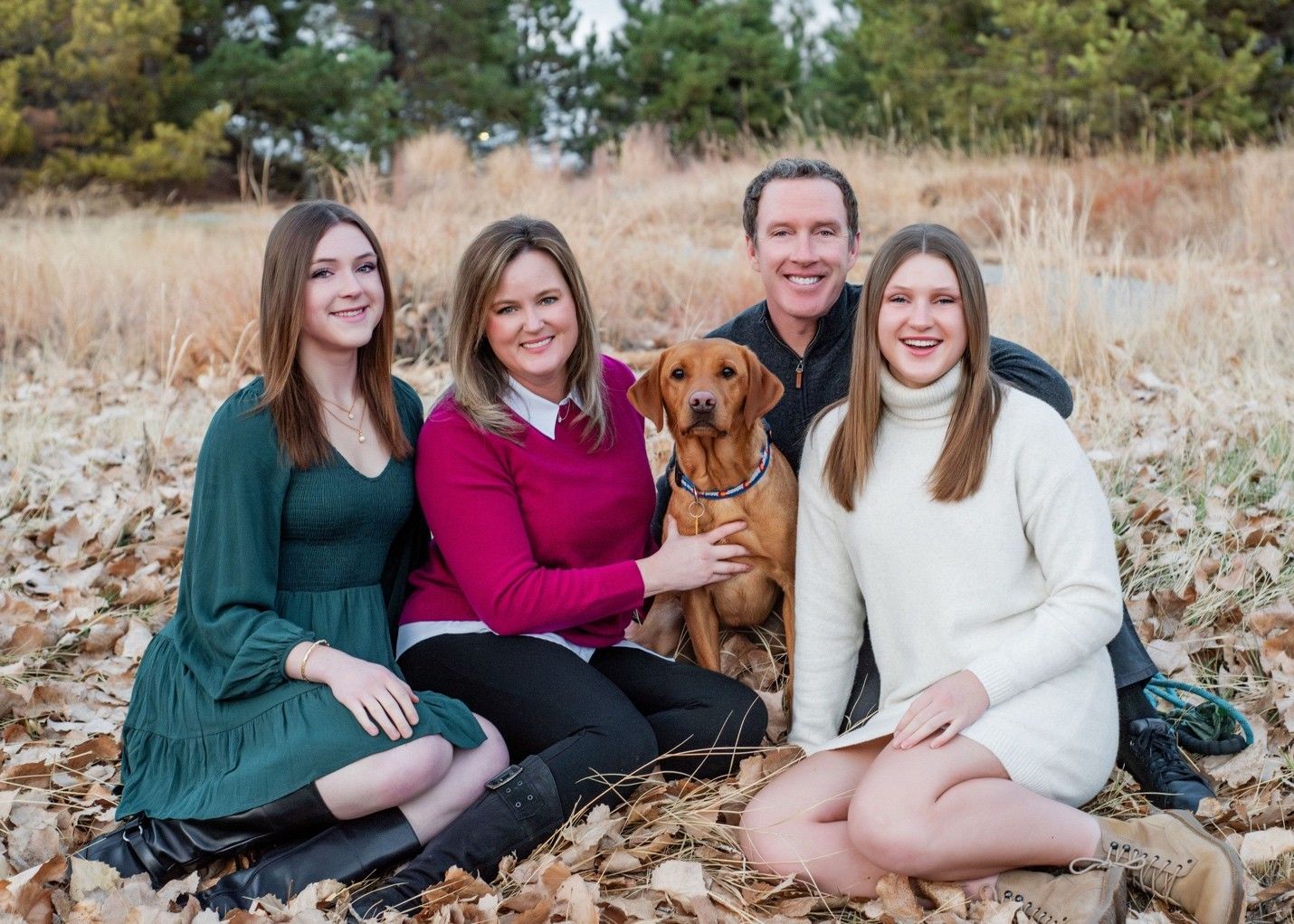
Barbara Davis Center for Diabetes has remained a steadfast foundation for our family. In a true testament to their dedication and continuity of care, Dr. Paul Wadwa and Nurse Practitioner Cindy Cain have been Margot’s primary endocrinology team for more than 15 years. Their guidance, expertise, compassion, and friendship have been invaluable.
We still hope and pray that one day the Barbara Davis Center for Diabetes will be able to close its doors because type 1 diabetes has been cured. Until that day comes, we will continue to support and advocate for the incredible team at the BDC, whose work and dedication transform lives both in our community and around the world.

The Power of Screening & Early Detection for Type 1 Diabetes: The Diagnosis I Wish We Could Have Had