Why Should You #KnowtheSymptoms?

CDF Staff • March 23, 2026

TL;DR

Many people don’t recognize the early symptoms of type 1 diabetes until it becomes serious. Warning signs like extreme thirst, frequent urination, fatigue, weight loss, and fruity-smelling breath should never be ignored. Delayed diagnosis can lead to life-threatening complications, but early recognition and medical care can save lives.

Working at the Children’s Diabetes Foundation, we talk to T1D patients and their families all day, and it’s amazing how similar some of their stories are. Before they are directly affected by it, most people don’t know what type 1 diabetes really is, what the symptoms are, or how it can really affect a person’s life.


Pre-diagnosis, most parents recognize that there is something physically wrong with their child, but they don’t know what. Sometimes that can lead to a child not being properly diagnosed for a week, a month, a year. When diagnosis is delayed, long-term complications are more likely to occur. Even worse, a child could have a seizure, go into a coma, or die if a diagnosis isn’t made. This is downright frightening.
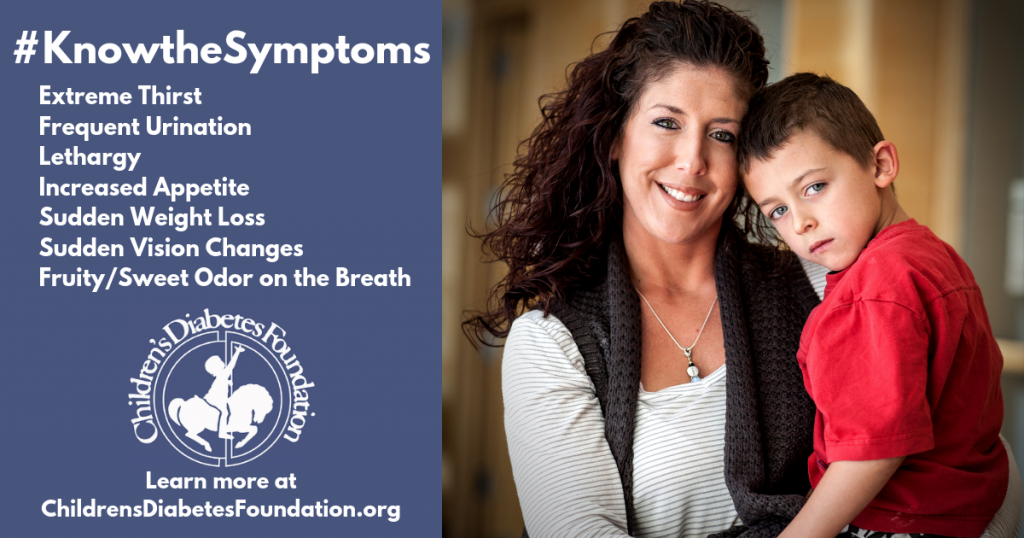
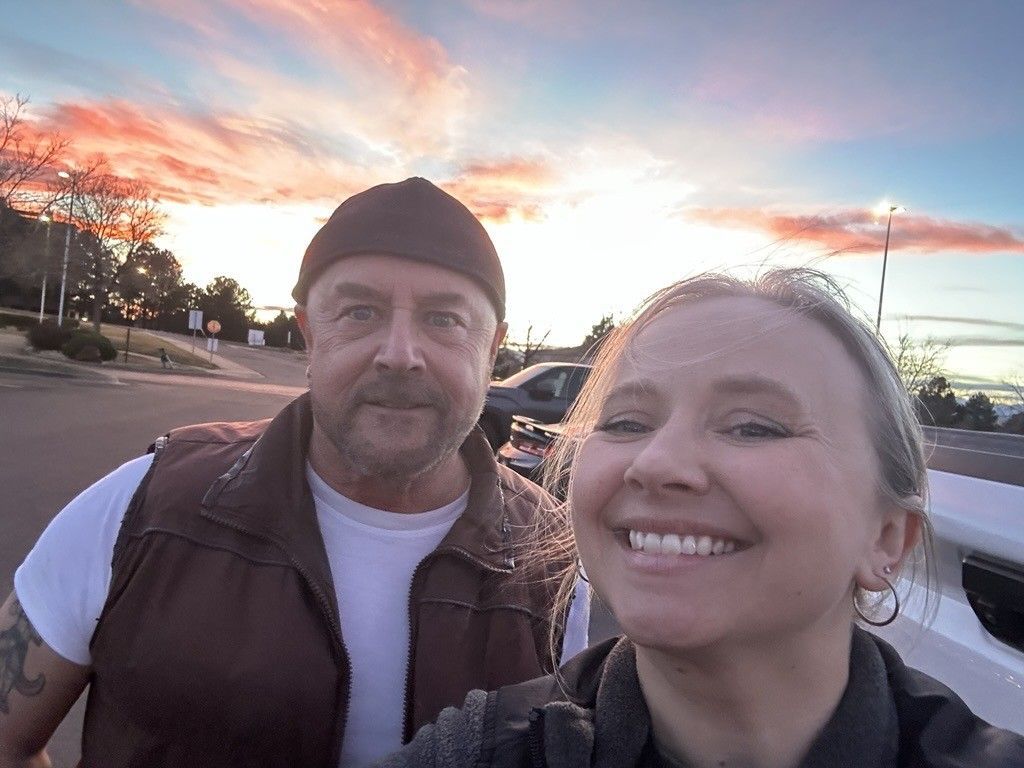
A mother and son together next to a list of type 1 diabetes symptoms

That’s why we work to educate people. If you know the symptoms of diabetes, you can recognize them and encourage anyone showing the symptoms to see a doctor and inquire about diabetes. You can save a life.


What are the Symptoms of Type 1 Diabetes?


Extreme thirst

Frequent urination

Extreme fatigue

Feeling hungry all the time

Sudden weight loss

Sudden vision changes

Fruity/Sweet odor on the breath

A small vial of insulin and other diabetes treatment tools on a table.
By Dr. Paul Wadwa, MD April 24, 2026
Learn the key differences between type 1 and type 2 diabetes, including causes, symptoms, diagnosis, and treatment. Understand how to recognize misdiagnosis.
A woman is doing a split with the words if i can just inspire one person
By Sasha Amiscaray April 15, 2026
TL;DR After 15 years of living with type 1 diabetes, Sasha shares her journey from diagnosis and denial to acceptance, advocacy, and a career in healthcare. Through challenges like fear of injections, managing diabetes as an athlete, and navigating school and college, she discovered strength, community, and purpose. Her story shows that while diabetes is difficult, it can also shape identity, open doors, and lead to meaningful connections and opportunities.
A black and white photo of a person with an insulin pump on their stomach
By Dr. Holly O'Donnell April 3, 2026
Type 1 diabetes affects mental health in youth and families. Learn about risks like depression, anxiety, and distress, plus support options and when to seek help.
A young boy in a white sweater is standing next to a cabinet.
By R. Paul Wadwa, MD, Professor of Pediatrics at the BDC April 2, 2026
Type 1 diabetes is often misdiagnosed as flu, UTI, or viral illness. Learn key symptoms, DKA warning signs, and when to ask your doctor for testing to avoid delays.
Young girl with T1D in hospital gown and room
By Aaron Rea, Physician and Parent of a T1D March 30, 2026
A physician and father shares his daughter’s 15-year journey with type 1 diabetes, from diagnosis to independence, highlighting resilience, care, and support.
Author and type 1  diabetic Madeline in a research lab
By Madeline VanOrman March 20, 2026
Follow one patient’s journey with type 1 diabetes from childhood diagnosis to college life, sharing challenges, independence, and finding support along the way.
A cartoon illustration of a white monster with horns waving.
By Cheryl Lebsock March 18, 2026
A parent shares how naming type 1 diabetes “Frank” and reframing it helped protect their child’s identity, improve mental health, and strengthen family support.
Three young type 1 girls with CGMs on their arms.
By CDF Staff March 18, 2026
Donate your Colorado state tax refund to the Children’s Diabetes Foundation. Learn how to use form DR 0104CH to support T1D patients and families.
Young girl with her blood glucose monitor and insulin pump
By Hali Broncucia, Research Scientist at the Barbara Davis Center for Diabetes March 16, 2026
Learn the three stages of type 1 diabetes and why early screening matters, including how detection can reduce DKA risk and delay onset with new therapies.