Two Generations, One Diagnosis: What My Grandma and I Have Learned from Type 1 Diabetes
Wyatt Adams • March 30, 2026
TL;DR
A powerful story of two generations living with type 1 diabetes—one diagnosed decades ago without modern tools, and one growing up with advanced care. By witnessing both journeys, the author shares how diabetes management, technology, and outcomes have evolved, while the emotional and mental challenges remain constant. Ultimately, it’s a story about resilience, perspective, and the importance of support across every stage of life with type 1 diabetes.
Growing Up with Type 1 Diabetes: My Diagnosis at 11
When people think about type 1 diabetes, they usually think about one diagnosis, one person, and one life changing overnight. But for me, type 1 has never just been my story. It’s also my grandma’s story, and seeing both of our journeys side by side has given me a perspective on this disease that I don’t think I would have had otherwise.
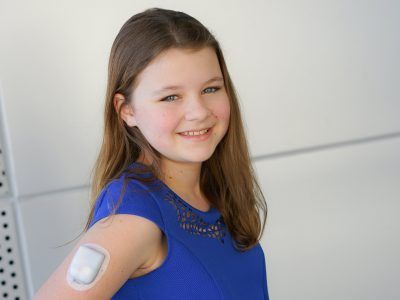
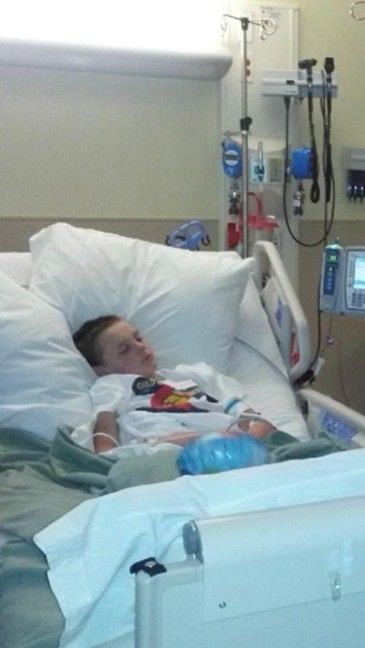
I was diagnosed with type 1 diabetes in 2014 when I was 11 years old. My diagnosis was severe, and I ended up spending four days in the ICU at Children’s Hospital in diabetic ketoacidosis. At that age, everything changes fast. One minute you’re just a kid living your normal life, and the next you’re thinking about blood sugar, insulin, food, exercise, and all the little decisions that now carry real weight.
At 11, I didn’t fully understand everything that type 1 diabetes was going to ask of me. I just knew life suddenly felt different. Over time, though, I learned that diabetes is not just a physical condition. It affects your mindset, your confidence, your routines, your freedom, and the way you move through everyday life. It teaches you responsibility fast. It forces you to grow up in certain ways. And if you let it, it can also shape your purpose.
A Lifetime with T1D: My Grandma’s 60-Year Journey
What makes my story even more meaningful to me is that I’ve gotten to see type 1 diabetes from a completely different angle through my grandma.
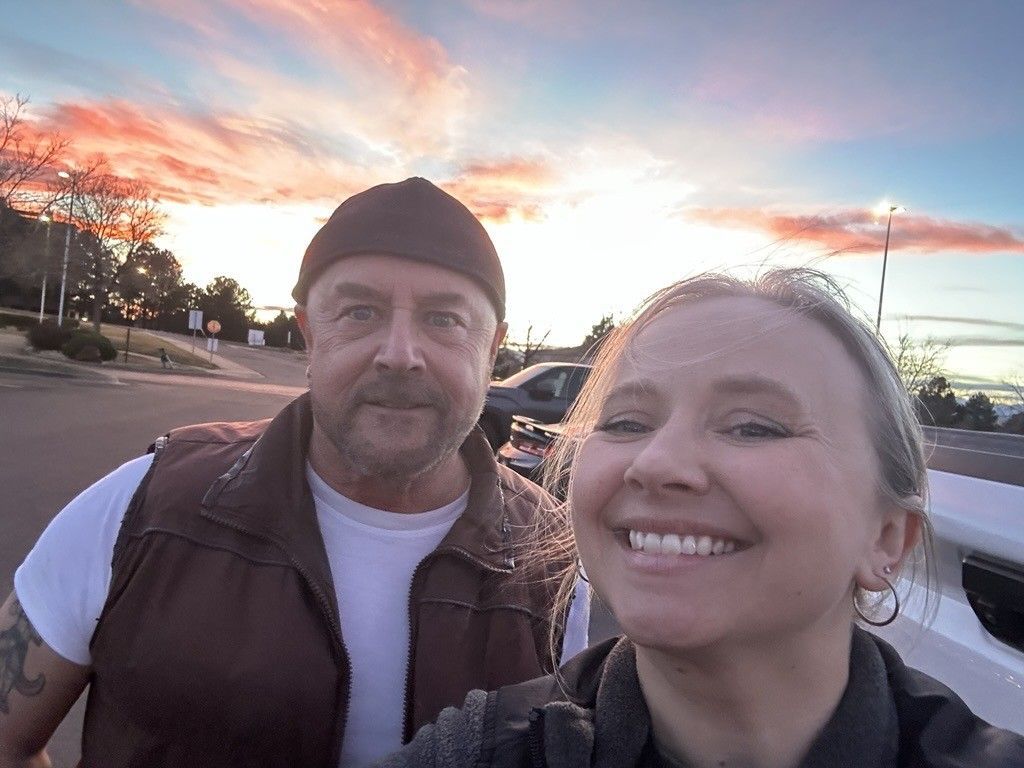
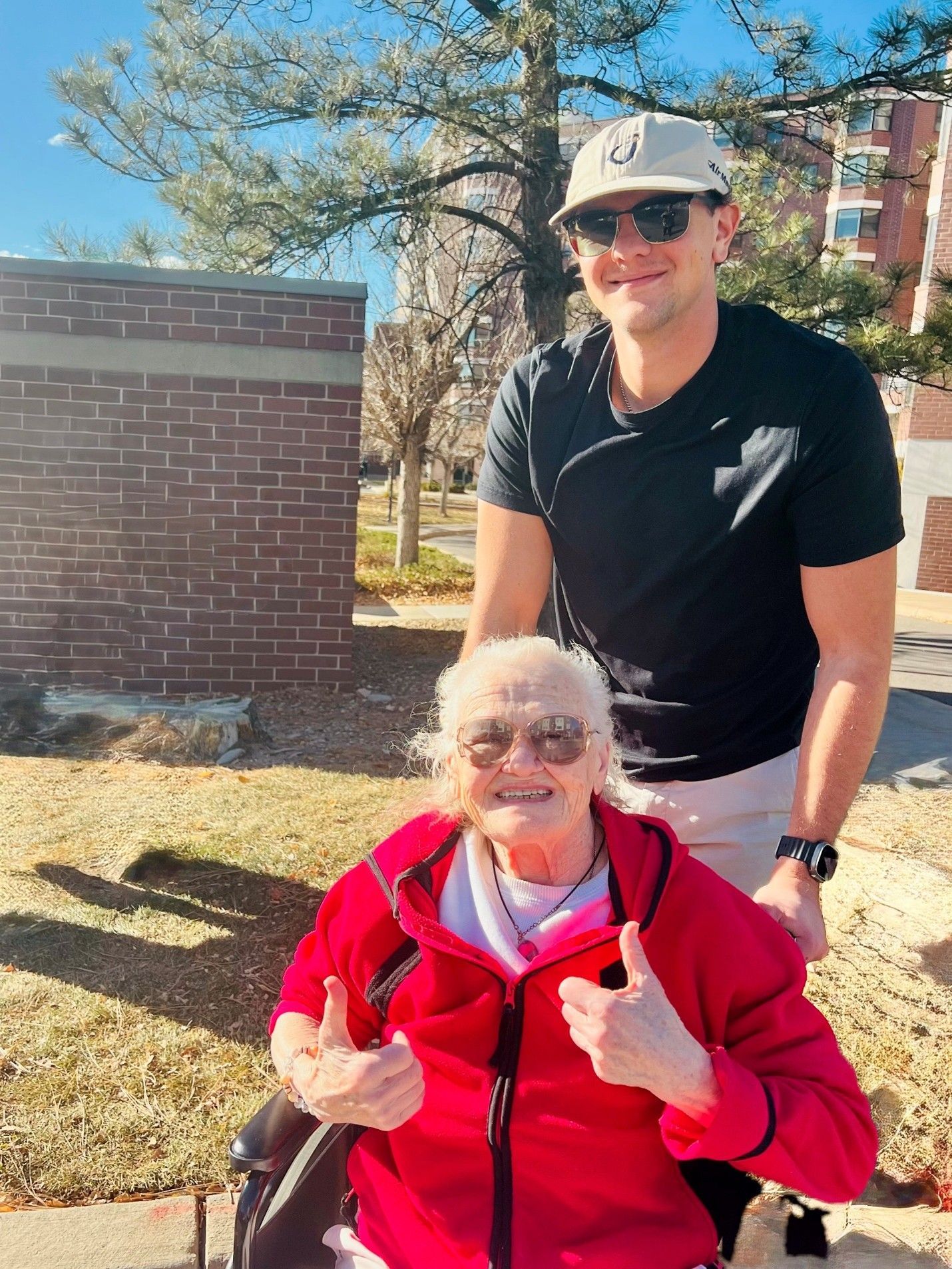
My grandma has lived with type 1 diabetes for around 60 years. She was diagnosed at 19 years old while she was in college, and at one point even went temporarily blind. That alone says a lot about what she had to overcome. She has managed this disease through completely different eras of care, technology, and understanding. Long before the tools and conversations that exist today, she was doing what she had to do not just to keep going, but to build a full and meaningful life.
How Diabetes Technology Has Changed Across Generations
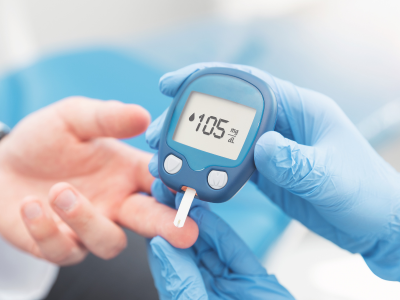
Back then, the technology was far worse than what we have today. She used pig insulin, and for many years there was no real way for her to test her blood sugar other than testing her urine with a strip. Because of that, her blood sugar was over 300 mg/dL for years, and that is a big part of why she developed so many complications later on. And yet even with all of that, she earned her master’s degree, became an exceptional educator, and was even named Teacher of the Year. There’s something powerful about that. There’s a grit there that I don’t take lightly.
For a long time, I thought that might be my inevitable future too. Watching what my grandma went through made it easy to assume that the same complications would one day happen to me. But later, my doctor explained something that changed the way I saw my own diagnosis. Even when my blood sugar goes high, it is only for a few hours at a time, not for years. With modern insulin, better technology, and staying on top of my management, I would not have to face those same complications. That gave me a completely different sense of hope. It reminded me that while my grandma and I share the same disease, we have not been given the same tools, and that difference matters.
When Roles Reverse: Caring for a Loved One with Diabetes
For a long time, I think I mostly saw diabetes through my own lens: being young, wanting to feel normal, wanting to stay active, wanting to do everything everybody else could do without diabetes slowing me down. But years later, when my grandparents both became very sick and ended up in the ICU just months apart, I saw another side of it.
My grandpa recovered well, but my grandma had more complications after she was discharged. Her health became more fragile, and her cognition had declined. At that point, diabetes management was no longer just something she could carry by herself the same way she once had. Along with my parents, I helped with around-the-clock diabetes and health monitoring for over a year.
That experience stayed with me.
There was something surreal about it, because years earlier I was the kid in the hospital with type 1 diabetes, needing help, needing support, needing people around me to help me feel safe. Now I was older, and I was helping care for someone I love who had been carrying this disease for decades longer than I’ve been alive. It felt like the story had come full circle in a way I never could have expected.
It also opened my eyes to how much diabetes changes over time, and at the same time, how much it doesn’t.
The Mental and Emotional Burden of Type 1 Diabetes
Technology changes. The tools improve. The conversations around diabetes get better. But there are parts of type 1 that stay the same no matter your age: the mental weight, the constant attention, the unpredictability, and the way it can quietly shape an entire day or season of life. Whether you are newly diagnosed as a kid or have been managing it for decades, there is still a burden there that other people often do not fully see.
Why Community and Support Matter at Every Stage
Helping my grandma gave me a deeper respect for the people who have lived with type 1 for a long time, especially those who did it without the resources many of us lean on today. It also made me realize even more how important support is. Diabetes can look different in childhood, in young adulthood, and later in life, but at every stage, community matters. Education matters. Encouragement matters. And having people around you who understand or are willing to learn matters more than most people realize.
From Personal Experience to Purpose: Helping Others with Type 1 Diabetes
I think that’s a big reason why I care so much now about sharing what I’ve learned and helping other people feel less alone in this. My own diagnosis changed my life, but walking with my grandma through her later chapter of diabetes care changed me too. It added depth to the way I see this disease. It made me more compassionate. It made me more aware of how much families carry. And it reminded me that diabetes is never just about numbers. It is about people, dignity, quality of life, and the kind of support that helps someone keep going.
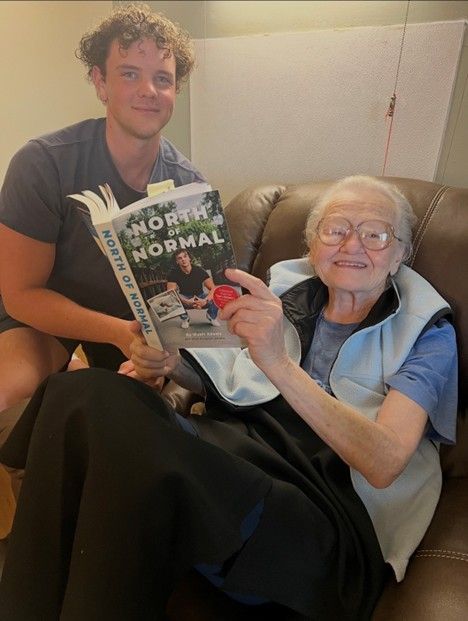
That perspective has become a huge part of my mission. It’s part of why I wrote North of Normal: A Type 1 Diabetes Resource Guide for Managing Blood Sugar, Insulin, Eating, Exercise, Daily Life, Self-Advocacy, and Mental Health for Kids, Teens, and Adults. It’s also why I care so much about helping people not just manage type 1 diabetes, but live strong and full lives with it. I’ve seen what this disease can take, but I’ve also seen the resilience it can build. I’ve seen how much strength it asks of people. And I’ve seen how powerful it is when that strength gets passed down, shared, and used to help someone else.
What Two Generations with Type 1 Diabetes Can Teach Us
If there’s one thing I hope people take from mine and my grandma’s story, it’s that type 1 diabetes may look different across generations, but no one should have to carry it alone. My grandma’s story reminds me what endurance looks like. I hope my story reminds younger people that a diagnosis does not mean the end of a full, ambitious, meaningful life.
Together, I think our stories show that while type 1 diabetes has changed over the years, the need for connection, support, and real understanding has not.
And that’s something worth passing on.
About the Author:
Wyatt Adams is the author of the best-selling book North of Normal: A Resource Guide for Type 1 Diabetics, Their Parents, Family & Friends. He is a NASM certified personal trainer and nutritionist dedicated to helping individuals optimize their health and performance. Diagnosed with Type 1 diabetes at 11, Wyatt uses his experience to empower others to live active, confident lives while effectively managing the condition. He is also the founder of North of Normal Foundation, a nonprofit with a mission to empower people living with Type 1 Diabetes to live active, ambitious, and healthy lives through practical education, mentorship, and community support.
The Power of Screening & Early Detection for Type 1 Diabetes: The Diagnosis I Wish We Could Have Had