From Hiding Type 1 Diabetes to Finding Community: One Woman’s 36-Year Journey
Mary Ann Chamberlain • March 30, 2026
TL;DR
After decades of living quietly with Type 1 diabetes, one woman reflects on a childhood hospitalization for diabetic ketoacidosis (DKA), years of misunderstanding and stigma, and the surprising path that led her into the diabetes community. What was once a private diagnosis is now part of her personal and professional life, helping her support others through diabetes education and connection. Her story highlights the power of visibility, empathy, and finding community after years of managing T1D alone.
Hospitalized for Diabetic Ketoacidosis (DKA)
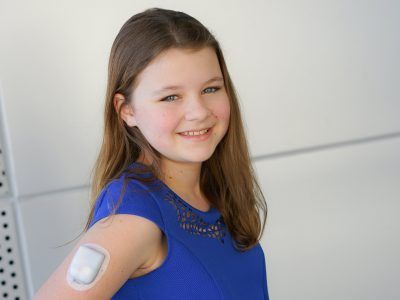
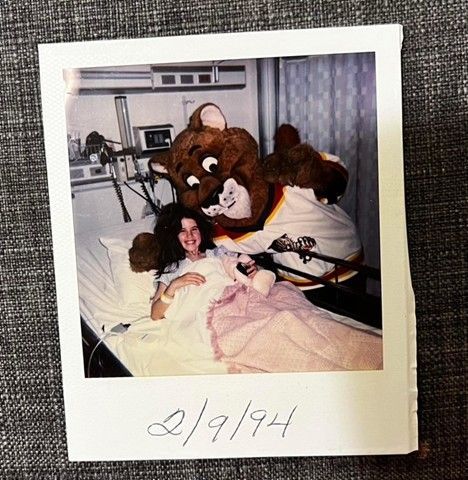
This photo was taken when I was 11 years old. At the time, I had already been living with type 1 diabetes for several years, but this particular moment stands out in my memory for a very different reason.
I was hospitalized with diabetic ketoacidosis (DKA) caused by an infection that doctors couldn’t initially identify. What followed was about a week in the hospital filled with uncertainty, tests, and procedures that, to put it lightly, I would not recommend to anyone.
There was the barium test — something that still makes me cringe thinking about it — and eventually a PICC line inserted so they could continue running tests and treatments. After several days, the doctors finally figured out the culprit: Group B strep.
Why People with Diabetes Can Face Higher Risk from Infections
Group B strep is commonly talked about in the context of childbirth, because mothers are screened for it during pregnancy to protect newborns. But it can also affect other high-risk groups, including older adults and people living with chronic conditions like diabetes. At twelve years old, I happened to fall into that “high-risk” category.
Looking back now as an adult, I can only imagine how difficult that week must have been for my parents. Being sick as a kid is scary enough, but when doctors are trying to solve a medical mystery in real time, the stress multiplies for everyone involved.
But even during that difficult time, something happened that I’ll never forget.
Small Acts of Kindness Matter
My seventh-grade teacher’s husband happened to be the mascot for the Florida Panthers hockey team. One day he showed up at my hospital room with a signed hockey puck. For a kid stuck in a hospital bed, that moment felt huge. It made the stay feel a little less clinical, a little more human.
And those moments matter more than we realize.
Back then, there was no social media. No online communities. No Instagram pages where you could see other people living with type 1 diabetes, sharing their stories, their struggles, or their wins. If you had type 1 diabetes, you mostly navigated it quietly. And that’s exactly what I did for most of my life.
Misconceptions About T1D
For years — decades, really — I kept my diabetes fairly private. Close friends and family knew, but even the people closest to me didn’t fully understand what type 1 diabetes actually was. To be honest, many still don’t.
Even today I sometimes hear comments like, “You really loved sugar when you were a kid!” — as if that somehow explains why I developed an autoimmune disease.
The misconceptions run deep, which is why the biggest plot twist of my life is this: Today, I am fully immersed in the type 1 diabetes community. Not just socially, but professionally.
I now work in human resources for an organization called My Diabetes Tutor, where essential diabetes education and support are provided to people who might otherwise struggle to access it. I get to bring my lived experience into my work every single day — showing empathy, understanding, and compassion for the people we serve.
Finding Community Through the Type 1 Diabetes World
And through social media, I’ve also found a community I never had growing up. People who understand the alarms, the lows, the highs, the exhaustion, the constant calculations, and the resilience it takes to keep going. People who don’t need an explanation.
For someone who once hid this part of her life, it’s almost funny how openly I talk about it now, but maybe that’s the point? For so many years, I thought diabetes was just something I had to manage quietly. Something separate from who I was. Now I realize it was shaping my path all along.
Thirty-six years into this journey, I’m still learning, still connecting, still growing alongside a community that I never knew I needed — but now can’t imagine being without.
It’s been a wild ride.
And somehow, I have a feeling this path was always waiting for me.
About the Author:
Mary Ann Chamberlain has been living with Type 1 Diabetes for nearly four decades, having been diagnosed at just seven years old. She has navigated life with diabetes through every stage—from childhood and adolescence to adulthood, motherhood, and raising a family—gaining resilience, perspective, and purpose along the way.
While she has experienced complications from long-term diabetes, they have never defined her. Instead, they have strengthened her voice and deepened her commitment to advocacy. Today, Mary Ann supports and connects with others across the Type 1 Diabetes community, including parents of young children, teens, young adults, and adults newly navigating the condition.
Through sharing her lived experience, she has built meaningful connections and continues to advocate for more accessible, compassionate care and awareness. If given the chance to change her diagnosis, she wouldn’t—because it has shaped who she is today.
She shares her journey on Instagram at @owningt1dwithma.
The Power of Screening & Early Detection for Type 1 Diabetes: The Diagnosis I Wish We Could Have Had