Type 1 Diabetes and Mental Health
Dr. Holly O'Donnell • April 3, 2026
May is Mental Health Awareness Month.
If you need help, contact Colorado Crisis Services by texting ‘TALK’ to 38255 or calling 1-844-493-8255.
TL;DR
Living with type 1 diabetes (T1D) can take a significant emotional toll on both youth and their families. Children and teens with T1D have a higher risk of mental health challenges such as depression, eating disorders, fear of low blood sugar, needle anxiety, and diabetes-related distress. Recognizing these concerns early and seeking support from diabetes care teams or mental health professionals can help individuals manage both their emotional well-being and their diabetes more effectively. If someone is experiencing thoughts of self-harm or suicide, immediate help is available by calling or texting 988.
Emotional and Mental Health Impacts of Living with Type 1 Diabetes
The constant self-management required for individuals living with type 1 diabetes and their family members can sometimes feel overwhelming and exhausting. A range of emotions– including anger, sadness, worry, and frustration– are common after diagnosis and throughout life with diabetes.
Children and teens with type 1 diabetes are also at higher risk for mental health concerns such as depression and anxiety. Some mental health conditions that are seen in T1D include:
Depression
Depression is common in youth with type 1 diabetes – about double the rate seen in youth without diabetes. Depression can include feelings of sadness, increased irritability, decreased energy, low motivation, difficulty with eating and/or sleeping, and difficulty with concentration. Depression is treated similarly in those with type 1 diabetes as those without type 1 diabetes. Barbara Davis Center Pediatric clinic conducts annual screening for depression in adolescent patients, as recommended by the American Diabetes Association.

Eating Disorders
Having type 1 diabetes means you have to think about food more often that you normally would. Although T1D management has advanced, giving individuals with T1D a little more control over what they eat and when they eat it, individuals with T1D still have to eat at times when they are not hungry (to treat lows) and sometimes they cannot eat when they are hungry (like when blood glucose levels are elevated and parents tell them to wait or make a different, lower carb choice). Feelings related to body weight and shape are complex too, especially during puberty.
These complex food, insulin, and body issues can lead to eating disorders. Youth with type 1 diabetes are at much higher risk for disordered eating than youth without. Eating disorders in youth with type 1 diabetes can include anorexia, bulimia, binge eating disorder and a diabetes-specific eating disorder referred to as “diabulimia.”
“Diabulimia” is when an individual decreases or omits necessary insulin, ultimately leading to unhealthy weight loss. This is a dangerous behavior that can lead to very high blood sugar levels, diabetic ketoacidosis (DKA), and complications.
The Barbara Davis Center conducts routine screening for disordered eating, starting at age 12 years, as recommended by American Diabetes Association. If you, a family member, or a friend are concerned about an eating disorder, please do not be afraid to ask your team at the BDC for help. Early identification and treatment are important both for diabetes management and overall health.
Fear of Hypoglycemia
Some youth and caregivers worry about low blood sugars. Youth often worry about going low at school or in front of others and drawing attention to themselves or going low somewhere they cannot treat the low easily. Caregivers often worry about their kids having lows overnight or at times when no one is around who can help.
Some concern about lows is appropriate, but sometimes the concern can lead to a level of anxiety that affects normal life. In response to fear of hypoglycemia, some people may try to keep blood sugars above target/high. If this sounds familiar, the team at Barbara Davis Center can help work through fear of hypoglycemia or identify the right people to see for further evaluation and treatment.

Needle-related Anxiety
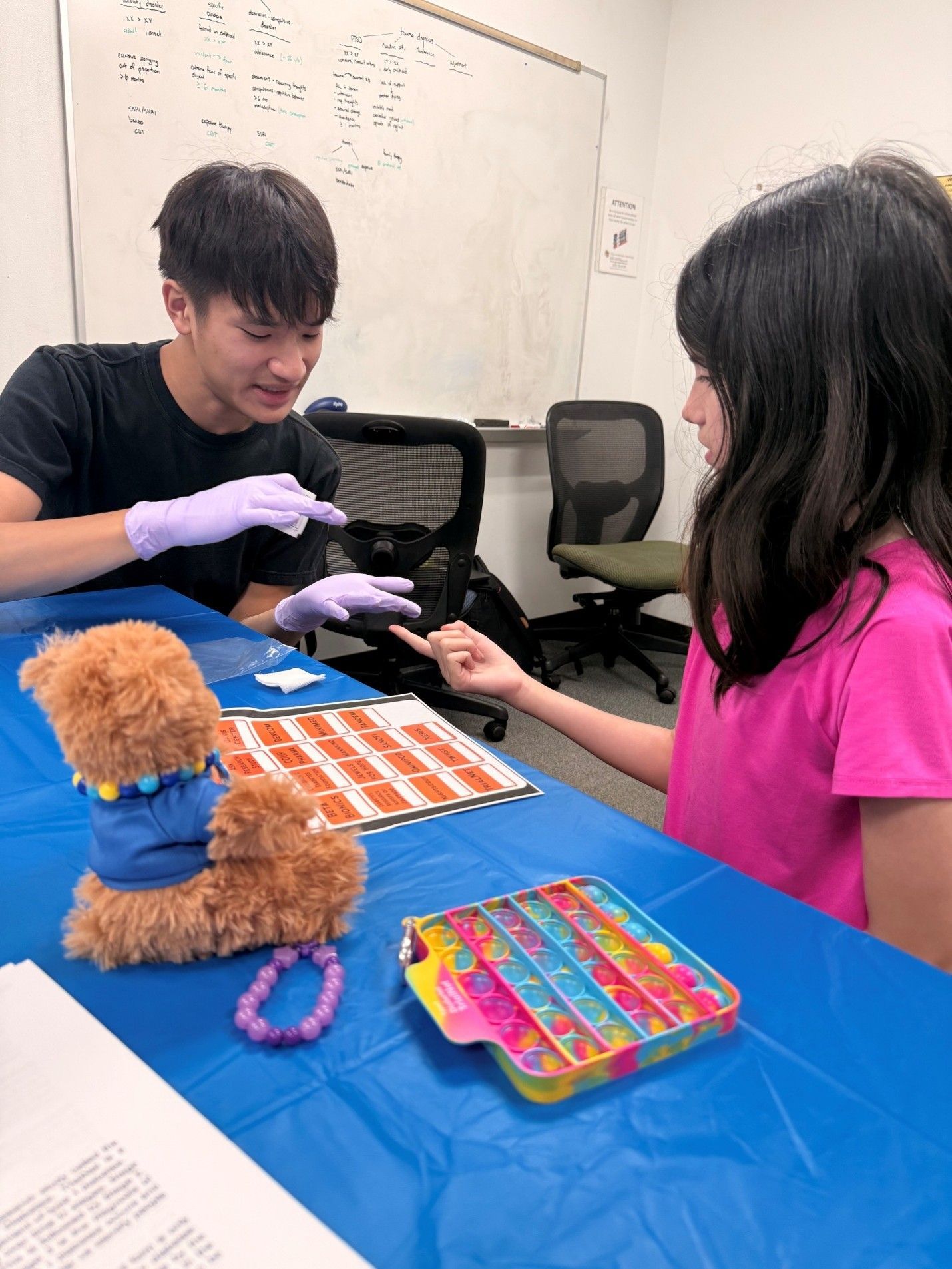
It is not uncommon for youth or caregivers to have a fear of needles. Unfortunately, diabetes requires the use of needles for blood glucose monitoring and insulin administration.
It is important to recognize fear of needles and address it with your diabetes team, as the fear can continue to increase the longer it goes unrecognized. Habits or rituals related to anxiety about injections can develop that are difficult to reverse (such as using the same sites repeatedly (causing hypertrophy) or avoiding injections completely). Effective treatments are available and range from distraction techniques to breathing exercises to cognitive-behavioral therapy.
Diabetes-Related Distress
Diabetes related distress is the emotional response to living with and managing a chronic, demanding condition like type 1 diabetes. It is different from depression or anxiety – it is the feeling of being overwhelmed, frustrated, or burned out by the constant demands of diabetes management. Diabetes distress is very common and can affect anyone, regardless of how long they have had it. Parents and caregivers can also experience diabetes distress. Some signs of diabetes distress include:
- Feeling overwhelmed or burned out by diabetes self-care
- Feeling angry about having diabetes
- Worrying constantly about blood sugar levels, complications
- Avoiding diabetes tasks like giving insulin, checking BG
- Feeling hopeless about diabetes management
Suicidal Ideation
Thoughts of dying or self-harm are slightly higher in youth with type 1 diabetes compared to youth without type 1 diabetes. It is important to recognize these thoughts and seek out help immediately. If you or someone you know has thoughts of suicide, contact the 988 Suicide Crisis Lifeline by calling or texting 988 or visit 988colorado.com. If urgent concern about suicide arises, call 911 or go to the nearest Emergency Room.
BDC Behavioral Health Services
The pediatric clinic at the Barbara Davis Center has clinical social workers who are available to discuss concerns with patients during their routine diabetes visits. Licensed clinical psychologists are available for individual and family therapy to address psychosocial aspects of living with type 1 diabetes. Do not hesitate to bring up concerns you have during your next visit or call and ask to speak directly with one of our behavioral health specialists at (303) 724-2323.
About the Author
Dr. Holly O’Donnell is an Assistant Professor, Pediatrics at the Barbara Davis Center for Diabetes. She specializes in Pediatric Endocrinology and Psychology and her expertise is in assessing and treating psychological aspects of living with type 1 diabetes to help patients and families optimize health outcomes.


The Power of Screening & Early Detection for Type 1 Diabetes: The Diagnosis I Wish We Could Have Had