Sending Your Type 1 Child to Overnight Camp
Lauren Behm, Parent of T1D Camper, Mia • May 4, 2026
TL;DR
Camp Colorado gave one child with Type 1 diabetes the chance to build confidence, practice independence, and connect with other kids who truly understand life with T1D. From learning diabetes skills like changing a pump site to forming lasting friendships, the experience had a powerful impact on both camper and parents. This parent perspective explains what to expect at camp, how children are supported medically, and why diabetes camp can be such a meaningful milestone for families.
Camp Colorado Through a Parent’s Eyes
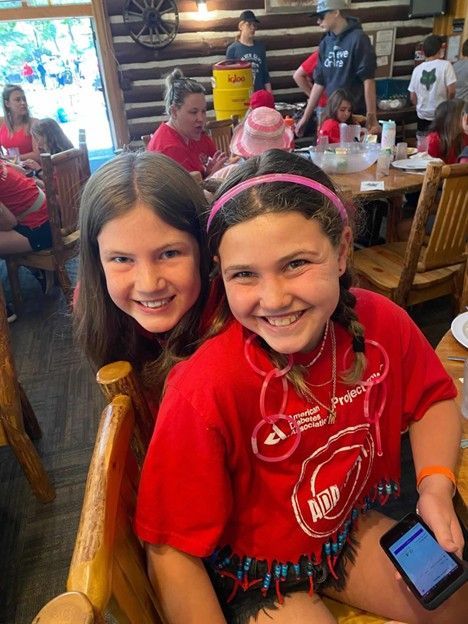
Our daughter Mia was diagnosed with T1D at the age of 9, in the middle of 3rd grade. She was young, didn’t know anyone else living with T1D, and relied heavily on us to manage her day-to-day care. We counted her carbs, changed her pump and CGM, treated her lows, and nudged her into activity to help bring down stubborn highs.
So, the idea of her spending five nights away from us at Camp Colorado felt… big. We weren’t sure how she’d do, but we knew it was important to give her the chance.
That first summer, one moment always stayed with me. Mia came home beaming, so proud to tell us she earned a medal for changing her own pump. I won’t say that she immediately took over doing it at home—but I will say she came back feeling empowered. She had made new friends and, maybe for the first time, truly understood how special it was to be surrounded by other kids just like her.
What to Expect at Overnight Camp
Drop-off happens within a set window based on your camper’s age group. When you arrive, you’ll be greeted by friendly faces from both the Barbara Davis Center and the Children’s Diabetes Foundation. Don’t be surprised if your child already recognizes a few people—it’s a small and connected community.
While we haven’t seen this year’s location yet, past camps have had a classic, rustic feel. Think cabins filled with bunk beds, a place to sleep and recharge—but otherwise, campers are outside and active most of the day. There’s a full schedule of activities, along with games, themed nights, and plenty of opportunities to bond.
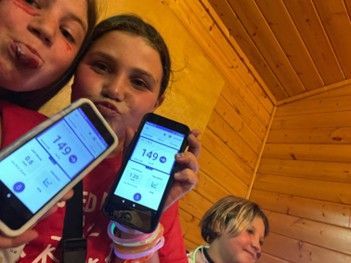
One of the hardest parts as a parent: once you leave, you won’t have access to your child’s blood sugar data. That adjustment can feel overwhelming at first. But it’s important to know that campers are incredibly well supported. Staff and volunteers help monitor numbers, provide carb counts, oversee insulin dosing, assist with device changes when needed, and even act as the “juice fairy,” making sure kids are safe overnight.
You’ll likely see photos from camp, but they may be posted infrequently—and you might have to zoom in to spot your camper. We’ve learned to embrace the mindset: no news is good news. If there aren’t many updates, it usually means the kids are too busy enjoying camp to stop for pictures.
How Diabetes Camp Helps Kids Gain Confidence and Independence
Camp Colorado helped Mia realize she’s part of something bigger—an incredible community of kids who understand her in a way others simply can’t. Even though campers come from different backgrounds, they share a bond that’s immediate and meaningful.
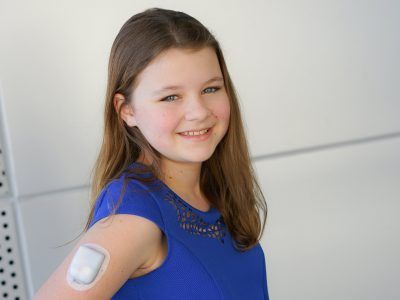
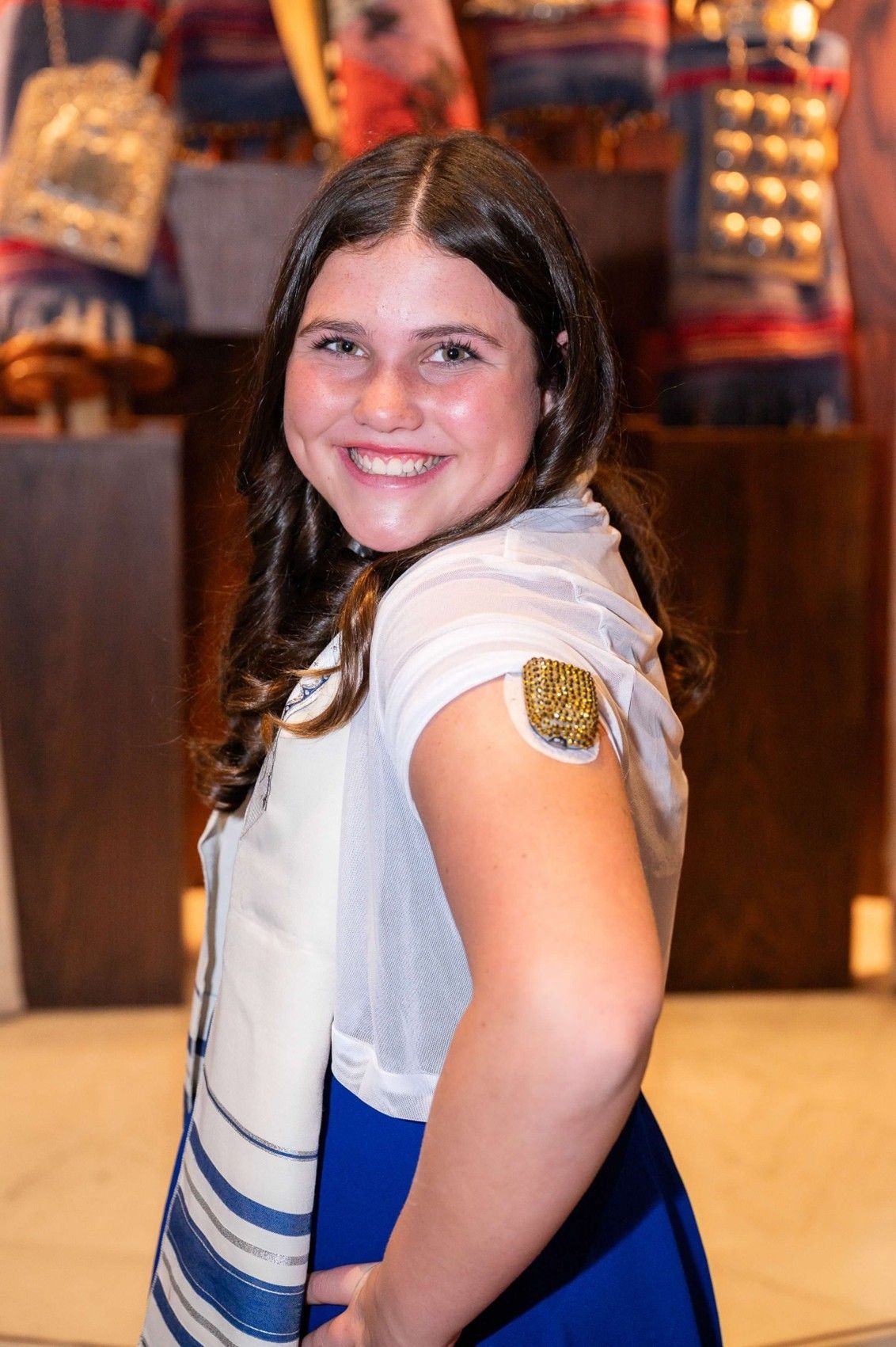
She’s also learned so much from her peers. That first summer, seeing kids her age change their own pumps gave her the confidence to try it herself. Over the years, she’s picked up new habits and ideas—like trying different pump sites—and even came home last summer proudly wearing her pump on her arm for the first time.
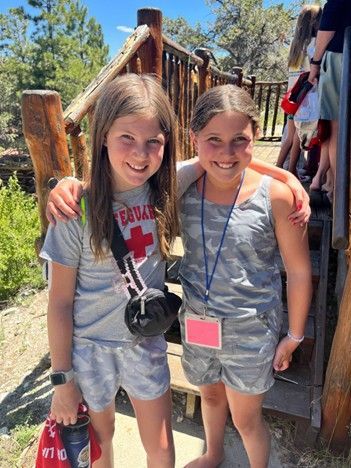
Most of all, Camp Colorado has become Mia’s happy place. She loves the friendships, activities, and the feeling of being surrounded by people that get her. And getting to experience it all alongside her
diabestie, Sophia, has made it even more special.
What Diabetes Camp Taught Us as Parents
For us, the biggest takeaway has been seeing how transformative this experience is for Mia’s confidence. She needed the space to build independence, form her own connections, and take more ownership of her T1D.
And honestly, it
was an adjustment for us too. It felt strange not having T1D at the forefront of our minds every minute of the day—but it also reminded us that she’s capable of more than we sometimes realize.
Tips for Parents Considering a Type 1 Diabetes Camp
Trust the process.
The staff and volunteers are not only keeping your child safe, they’re also helping them grow, connect, and have an incredible experience. Your camper will likely come home exhausted but give it a little time. You’ll start to notice the subtle (and not-so-subtle) ways they’ve grown—more confident, a little more independent, and proud of what they can do.
For Mia, Camp Colorado has become so much more than just a week away. It’s something she carries with her all year long—and a place she can’t wait to return to for her fifth summer this June. 💙

The Power of Screening & Early Detection for Type 1 Diabetes: The Diagnosis I Wish We Could Have Had