From Childhood to College: One Patient’s Story Living With Type 1 Diabetes
Madeline VanOrman • March 20, 2026
TL;DR
Madeline, a type 1 warrior, shares what it has been like to live with type 1 diabetes for 11 years, from being diagnosed at age 9 to managing diabetes independently in college. Her story reflects the emotional adjustment of childhood diagnosis, the stigma and misunderstandings surrounding T1D, and the challenges of balancing classes, friendships, and daily diabetes care as a young adult. Along the way, she has found support from her mom, friends, sorority sisters, and her growing interest in the medical field.
What It Feels Like to Be Diagnosed with T1D as a Child
When I was
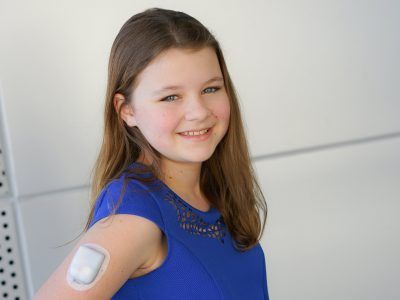
first diagnosed as a type 1 diabetic at the age of nine, I was scared. Scared of being treated differently. Scared of not knowing how this would change my future. It was a tough adjustment: knowing what life was like before and knowing how different it was now. At nine, your only worry should be making friends and listening to your parents and teachers. Now, I had additional concerns about things that I barely understood. I was even hard on myself because I just wanted to be normal. I used to be the one to get scared every time we went in for flu shots, now I had to get at least three shots a day.
The Emotional Impact and Family Support
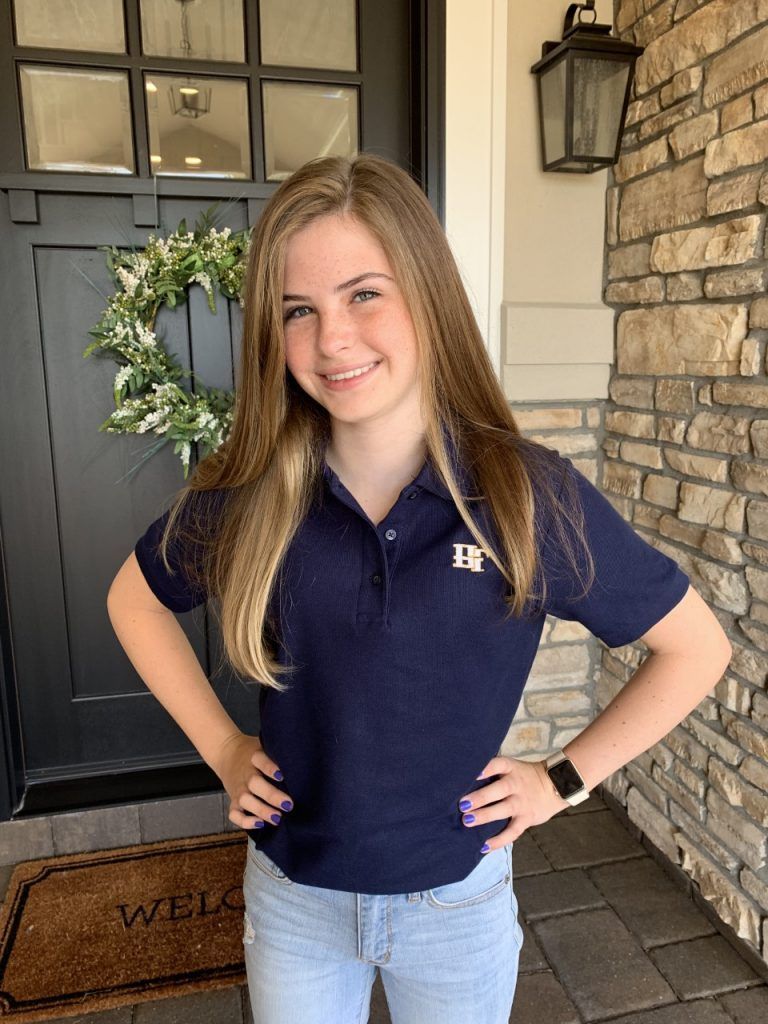
As if that wasn’t enough, there was a stigma around being type 1 diabetic because no one knew it is an autoimmune disease, unlike type 2 diabetes. Most of all, I dreaded birthdays. Whenever
birthday donuts were passed around the class, I was never allowed to have one. That was when the teasing would start, reminding me of how different I was. The late-night talks with my mom started and from then on, she became my therapist. One of the biggest positives I’ve gotten from diabetes is my stronger bond with my mom. I also enjoyed getting a phone at a young age in order to text my mom my blood sugars from school. Even with her help,
I still felt alone, because I was the only one in my school with type one diabetes.
Where I Am Today
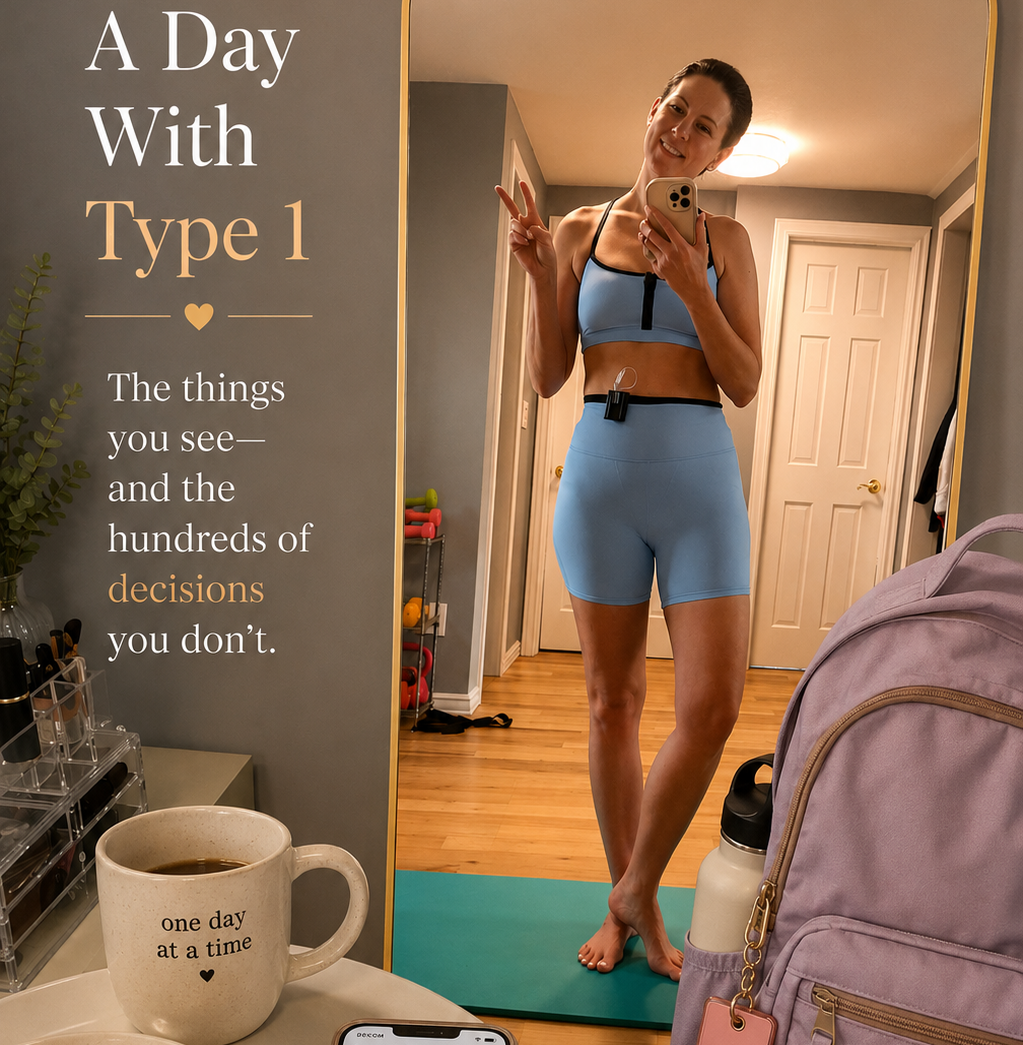
I’m in college now, living on my own and figuring out how to balance classes, friends, and the everyday reality of managing diabetes without the structure I had growing up. Some days I’m on top of everything, and other days I’m reminded pretty quickly that I am definitely not the perfect diabetic. College makes it easy to forget to restock pump supplies, to ignore alarms during lectures, or to go low at the most inconvenient times. It doesn’t stop me from doing anything, but it does make things a little complicated at times, and I’ve learned to work around that.
Finding Community and Support
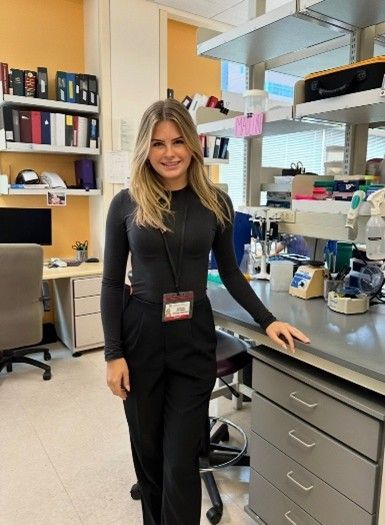
Outside of school, a lot of my life revolves around my friends and my sorority, Kappa Kappa Gamma. Between chapter events, late‑night study sessions, and just hanging out, I’ve found a group of people who make campus feel like home. Diabetes is still there in the background, usually in the form of a pump alarm going off at the worst moment, but my friends barely bat an eye at it anymore. Alongside all that, I’ve spent the past few years in research labs, in hospitals, and even abroad, getting a closer look at the medical world I’ve always been curious about.
Taking Life with Type 1 Diabetes One Step at a Time
Right now, I’m taking things one semester at a time, figuring out what comes next, and learning how to manage all of it - college, life, and diabetes - at the same time.
About the Author
I’m Madeline VanOrman, a patient of the Barbara Davis Center and former CDF Advocate. I’ve had type 1 diabetes for 11 years, and it’s still part of my everyday life, just in a different way than when I first was diagnosed.
The Power of Screening & Early Detection for Type 1 Diabetes: The Diagnosis I Wish We Could Have Had