From “Brittle” to Possible: Finding Stability After 36 Years with Type 1
Mary Ann Chamberlain • March 20, 2026
TL;DR
After decades of being labeled with “brittle” Type 1 diabetes, one patient shares how shifting away from perfection and toward self-care, patience, and support changed their relationship with the disease. Instead of chasing flawless blood sugar control, they learned to protect their energy, mental health, and body. Their story shows that better diabetes management is not about being perfect—it is about making health a priority and finding stability over time.
What “Brittle” Type 1 Diabetes Really Feels Like
For a long time, “brittle” was the word attached to my name. It showed up in charts, in appointments, and across many hospital visits, the kind where you start to recognize ceiling tiles and nurses’ footsteps. I was always sick, always recovering, always trying to get back to a baseline that felt just out of reach.
The Emotional Burden of Long-Term Type 1 Diabetes
After decades of living with type 1 diabetes, my numbers were unpredictable, my body felt like it changed the rules without warning, and I carried a quiet belief that I was failing at something I never chose. I tried harder. I tracked more. I blamed myself when things didn’t line up.
But here’s what no one tells you early on: control isn’t the same thing as care. Somewhere along the way—after 36 years of living with this disease—I stopped chasing perfect management and started choosing myself. I rested when I needed to. I simplified. I asked for help. I stopped treating every fluctuation like a failure and started treating my health like a relationship that needed patience, not punishment.
And slowly, things shifted. Not into perfection. Into possibility.

Small Changes Can Make a Big Difference
At a recent appointment, my endocrinologist said something I never expected to hear. They shared my story—not as a warning, but as an example. Proof that even after years of instability, it’s possible to find steadier ground. Proof that progress doesn’t require flawlessness. Proof that longevity with Type 1 is built on care, not control.
That moment stayed with me.
Because the truth is, good management doesn’t mean getting it right all the time. It means taking the time to protect your energy, your mental health, and your body. It means recognizing that you matter just as much as your numbers.
Type 1 has taught me many things—but maybe the most important is this: Your health doesn’t need perfection. It needs priority. And that alone can change everything.
About the Author:
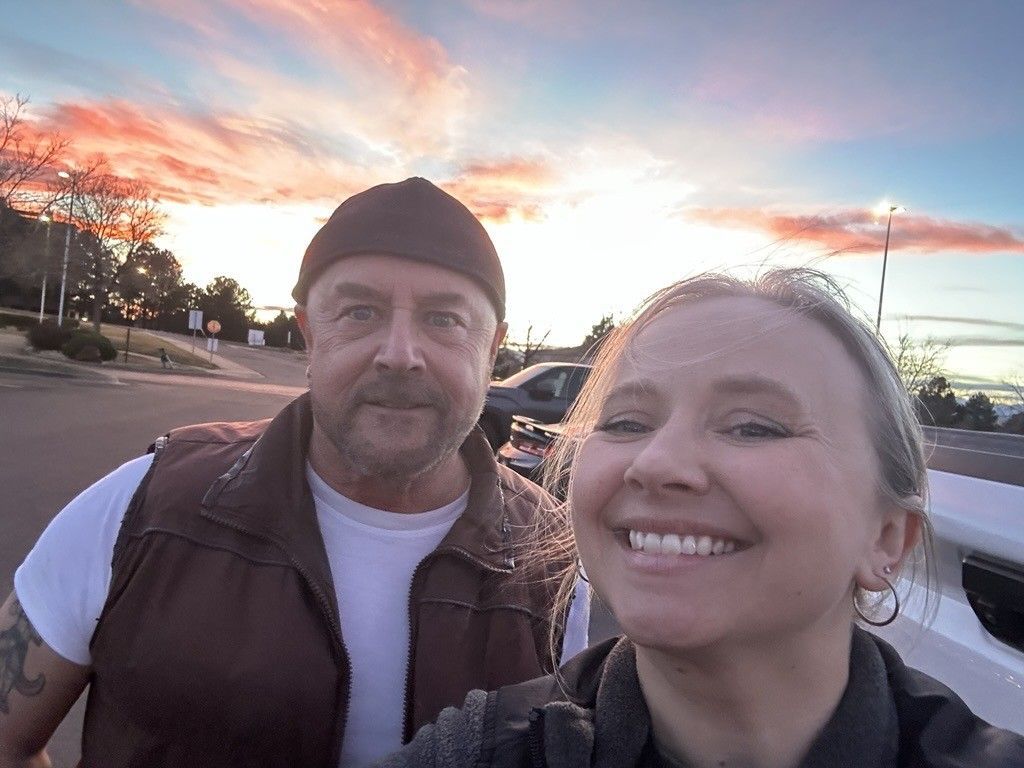
Mary Ann Chamberlain has been living with Type 1 Diabetes for nearly four decades, having been diagnosed at just seven years old. She has navigated life with diabetes through every stage—from childhood and adolescence to adulthood, motherhood, and raising a family—gaining resilience, perspective, and purpose along the way.
While she has experienced complications from long-term diabetes, they have never defined her. Instead, they have strengthened her voice and deepened her commitment to advocacy. Today, Mary Ann supports and connects with others across the Type 1 Diabetes community, including parents of young children, teens, young adults, and adults newly navigating the condition.
Through sharing her lived experience, she has built meaningful connections and continues to advocate for more accessible, compassionate care and awareness. If given the chance to change her diagnosis, she wouldn’t—because it has shaped who she is today.
She shares her journey on Instagram at @owningt1dwithma.



The Power of Screening & Early Detection for Type 1 Diabetes: The Diagnosis I Wish We Could Have Had