If a kid that weighed 40 pounds when diagnosed can live with T1D then you can too!

Graham Daugherty • February 18, 2020

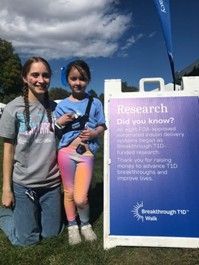
A boy wearing a blue shirt with the letter p on it

My diagnosis was a lot calmer than most. No hospital visit, no extremely high blood sugar, and no attempt to get me back on this earth. I know a lot of diabetics did not have the same fortune as me. Although my diagnosis lacked an ambulance or helicopter ride to a hospital, there were things that my seven-year-old head could not understand. I was already someone who had always been skinnier than most and started to lose weight. I lacked energy. I was drinking close to a gallon of water every two hours and never seemed to satisfy my thirst. I couldn’t understand why these things were happening to me so abruptly. My parents noticed these changes and booked a doctor’s appointment on October 24, 2011, which led to a very drastic change in how I live my life. In a matter of 8 hours I was put on insulin. I did not understand how this drug worked or what it did. All I knew was once every morning I would get two shots, one for breakfast and one to get me through the rest of the day. While I could tolerate this, the change I did not like was that I could no longer eat whenever I wanted. I had to tell my mom or dad when and what I was eating so they could put this mystery drug in me. With time I have learned what that mystery drug does and the technology that goes with it. Now that I am 16 I don’t have to tell my parents what and when I eat since I can just use my insulin pump and do it myself. I know how scary it can be when people are first diagnosed with diabetes, but it gets better. If a little kid that weighed 40 pounds when diagnosed can manage and live with T1D then you can too.
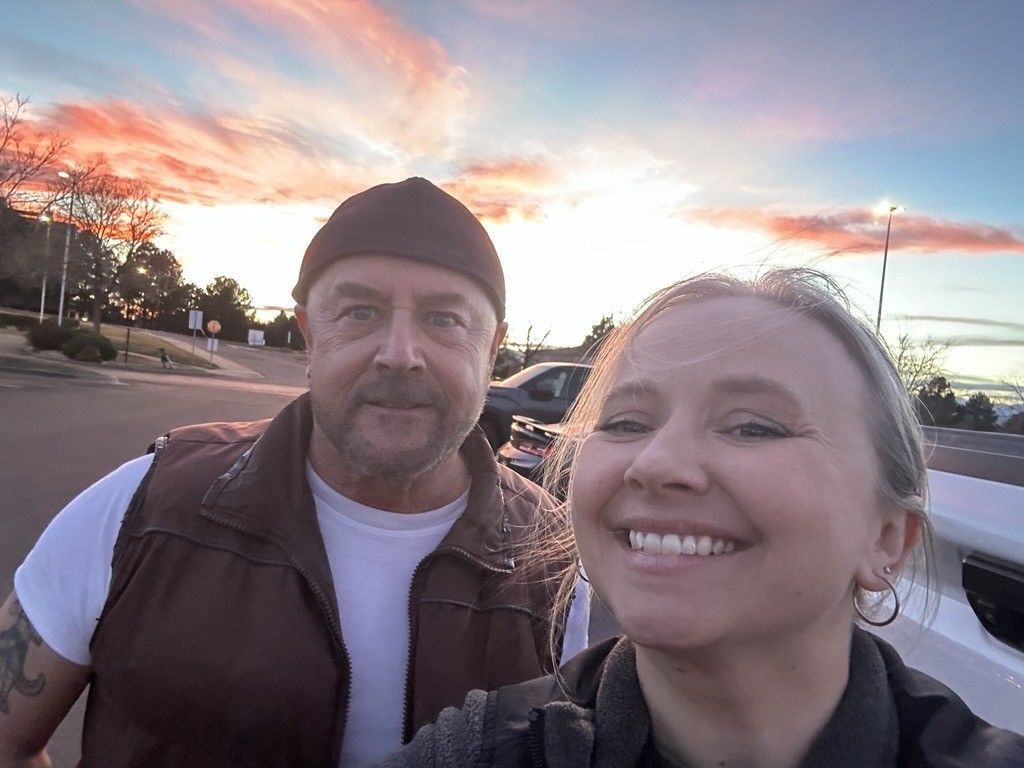

Author Lindsay Klatt and her father, smiling for the camera
By Lindsay Klatt, a T1D and Current Stewardship Manager at CDF June 18, 2026
A heartfelt Father’s Day tribute honoring the love, sacrifices, and support of dads helping children navigate life with type 1 diabetes.
A girl with a CGM on her arm that says back to school
By Dianne Chorny RN, ND, MPH, Diabetes Resource Nurse June 16, 2026
Get essential back-to-school tips for students with type 1 diabetes, including 504 plans, supplies, safety, and emotional support.
Mimi Leahy and her T1D younger sister
By Mimi Leahy, Sister of a T1D May 13, 2026
A Colorado student transforms type 1 diabetes medical waste into Pink Panther art to raise awareness and inspire kids living with T1D.
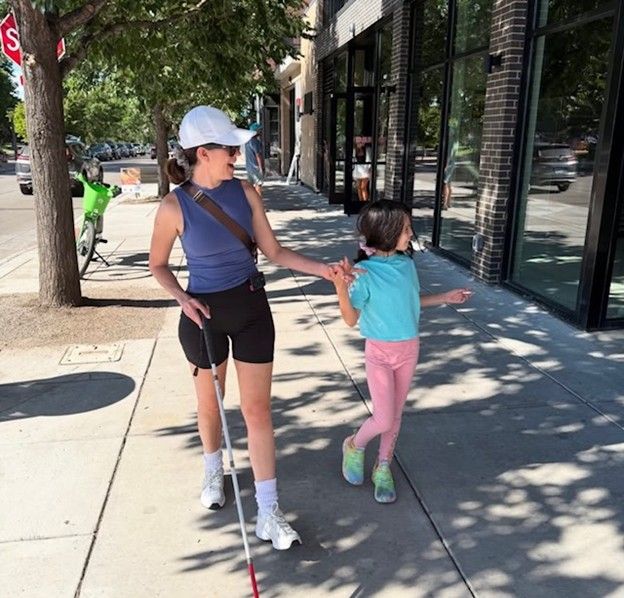
Woman walking down sidewalk with her daughter and holding a blind cane
By Mary Ann Chamberlain May 11, 2026
One mother shares her journey with type 1 diabetes, vision loss, self-advocacy, and resilience while learning to prioritize mental health and care.
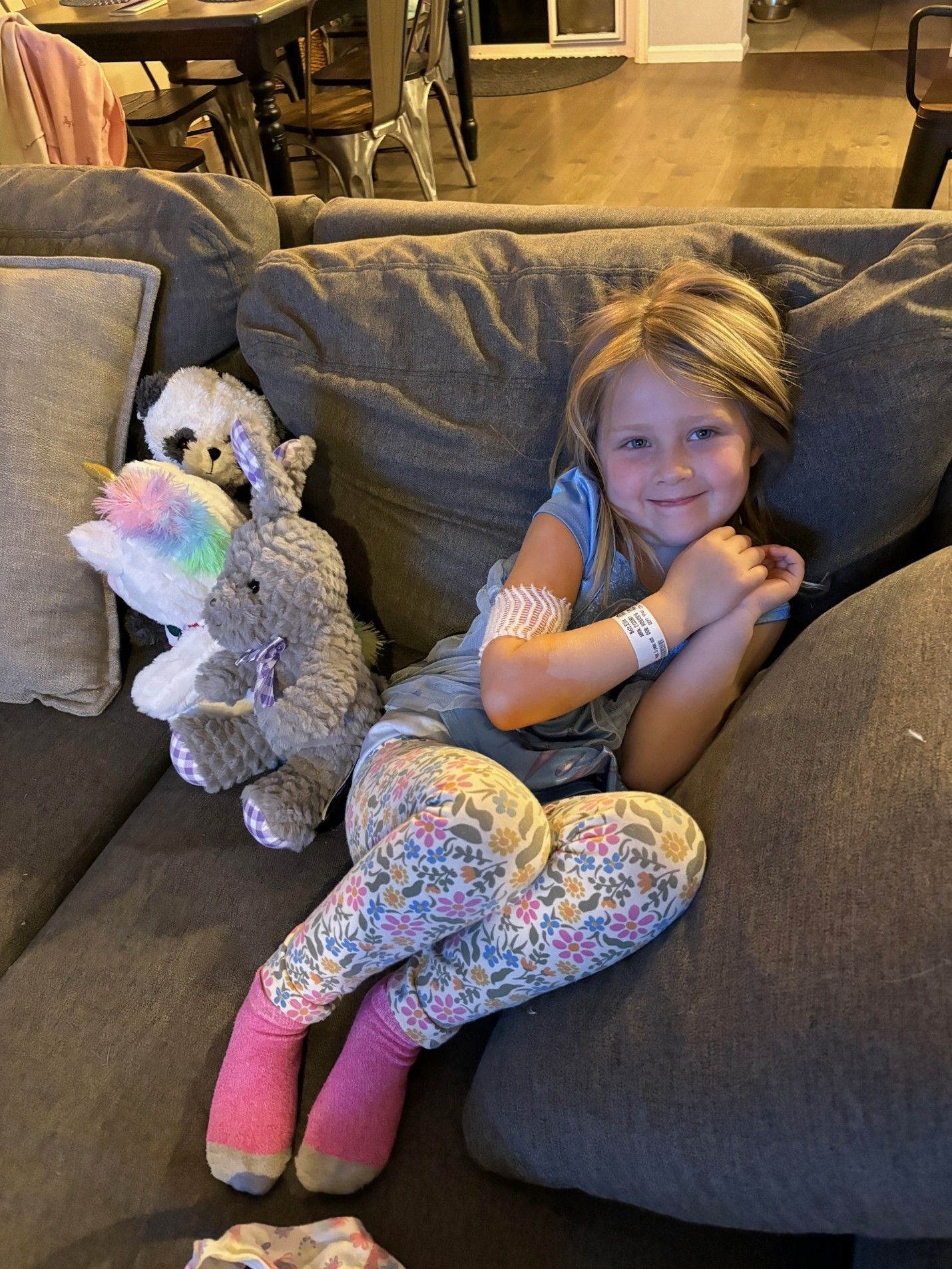
Smiling young girl on couch with bandage on arm and hospital bracelet on wrist
By Kimberly Belz, mother of two daughters, one with T1D May 5, 2026
Learn how early screening, TrialNet research, and Tzield treatment helped delay one child’s type 1 diabetes diagnosis and insulin dependence.
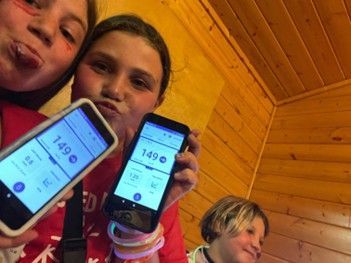
T1D camper Mia and her friend at camp with matching blood sugar levels on their phones
By Lauren Behm, Parent of T1D Camper, Mia May 4, 2026
Learn how overnight diabetes camp helps children with type 1 diabetes build confidence, independence, friendships, and lifelong support.
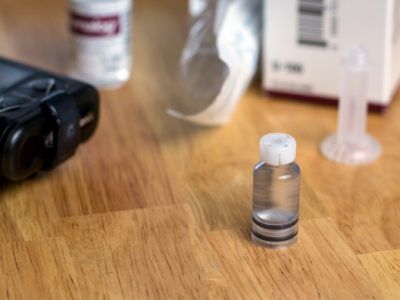
A small vial of insulin and other diabetes treatment tools on a table.
By Dr. Paul Wadwa, MD April 24, 2026
Learn the key differences between type 1 and type 2 diabetes, including causes, symptoms, diagnosis, and treatment. Understand how to recognize misdiagnosis.
A woman is doing a split with the words if i can just inspire one person
By Sasha Amiscaray April 15, 2026
TL;DR After 15 years of living with type 1 diabetes, Sasha shares her journey from diagnosis and denial to acceptance, advocacy, and a career in healthcare. Through challenges like fear of injections, managing diabetes as an athlete, and navigating school and college, she discovered strength, community, and purpose. Her story shows that while diabetes is difficult, it can also shape identity, open doors, and lead to meaningful connections and opportunities.
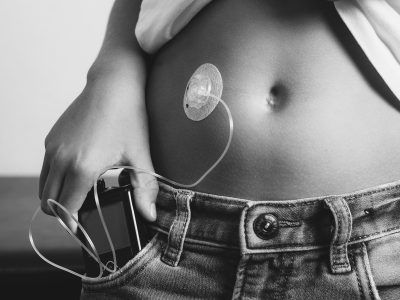
A black and white photo of a person with an insulin pump on their stomach
By Dr. Holly O'Donnell April 3, 2026
Type 1 diabetes affects mental health in youth and families. Learn about risks like depression, anxiety, and distress, plus support options and when to seek help.