Type One Diabetes and Autism: Tiny Battles
Boyers • August 31, 2016
TL;DR
Raising a child with both type 1 diabetes and autism comes with unique daily challenges—but also powerful moments of resilience. This story shares how one family navigates multiple diagnoses, finds small wins, and uses creative strategies like decorating insulin pumps to turn difficult moments into victories.
Updated: April 3, 2026
From Heart Defect to Autism Diagnosis
Trey was born a fighter. Diagnosed with a significant Ventricular Septal Defect (a big hole in his heart) shortly after birth, hospital visits and medical specialists have always been the norm for him. But he fought that tiny little broken heart out his first few years, and against all odds, managed to fight off the open-heart surgery we were told he would eventually have to have. He won enough of those tiny battles that when he was four years old, the hole had finally shrunk enough for the surgery to no longer be necessary.
Then without enough time to even catch our breath, when he was still four, we began navigating another diagnosis…autism. It was always there, but he was in preschool (2006) when a teacher first raised the possibility, and I felt that same overwhelming rush of emotion I had experienced with his heart condition. Our lives shifted once again with a single sentence: “Mrs. Boyers, I think Trey might be on the autism spectrum.” And he is. We had long sensed that he experienced and interacted with the world differently, but we didn’t yet have the understanding or tools to support him fully. Once we did, we got to work, and more importantly, so did he. He worked incredibly hard.
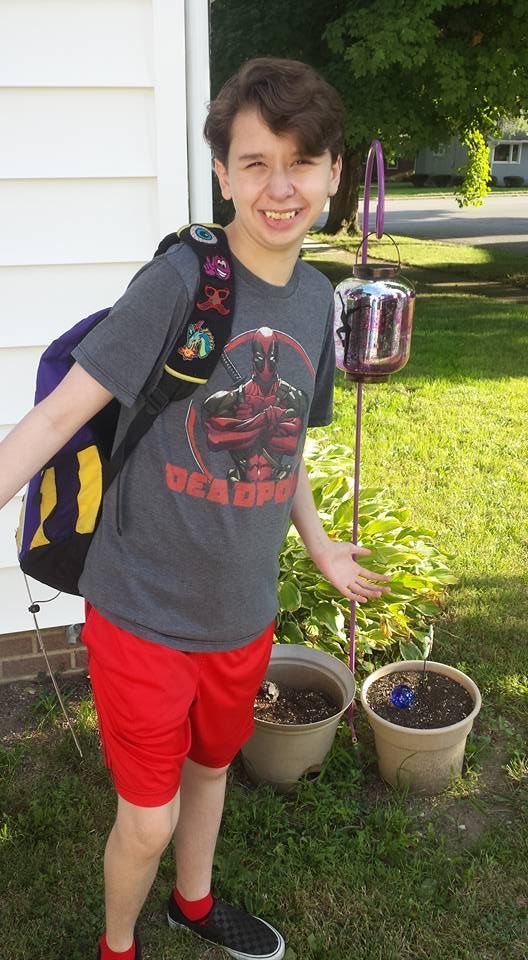
He went from being minimally verbal at age four to a little boy mainstreamed by the end of the second grade. And later, as a teenager, even skipping the 8th grade after being accepted into a special autism high school at the local college! Trey has always shined the brightest light from those big dark brown eyes and taken on whatever the world has thrown at him, full speed ahead.
When Type 1 Diabetes Enters the Picture
It was a similarly overwhelming experience when he was diagnosed with type 1 diabetes at age 13 in 2015. As our sense of “normal” shifted once again with another life-changing moment, there he was in his hospital bed, connected to lifesaving equipment, still finding ways to tell jokes and do little tricks to make me laugh. In the midst of an incredibly difficult week, his warmth and personality left a lasting impression on everyone who cared for him—doctors, nurses, and dietitians alike. To this day, he still receives cards from a few of them.
How Routine Eating Habits Helped Stabilize Blood Sugar
One of our biggest and most exhausting battles with Trey since he was two was his very limited diet. He eats the same food every day for breakfast, lunch and dinner. For his diabetes, this actually helped to regulate his blood sugars quickly enough that he got his insulin pump in about 6 months.
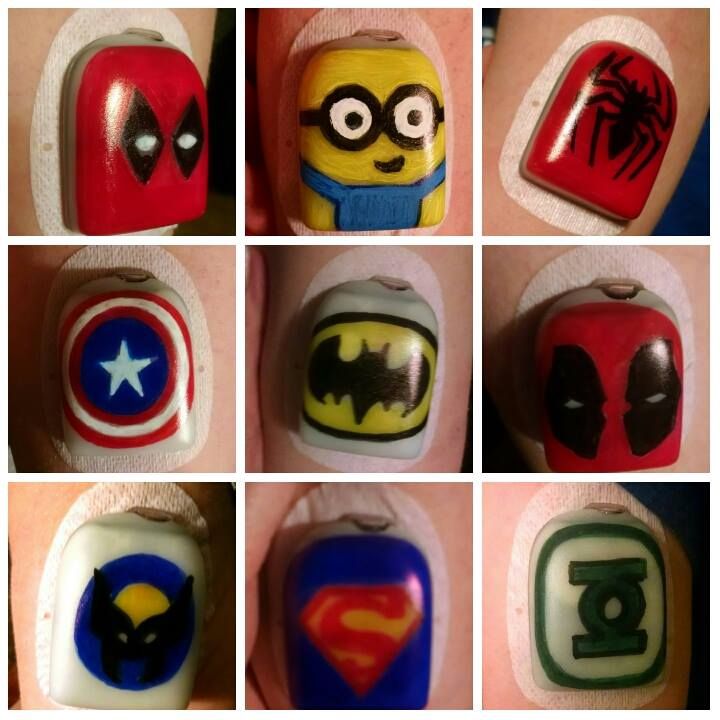
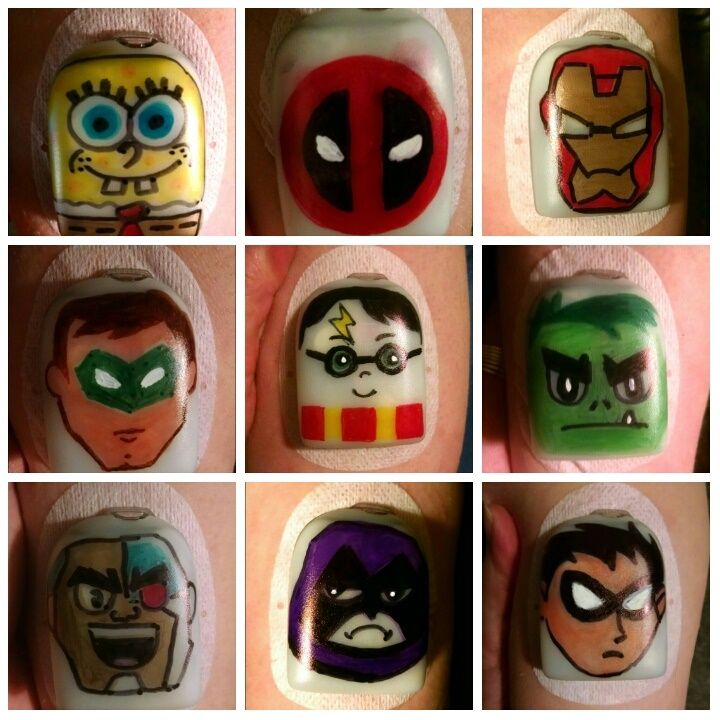
He still dreads pump-change day, but his obsession with all things superheroes helped us find a little trick that has helped immensely with changing his pods…
Turning Fear into Fun: Decorating Insulin Pumps for Kids
I’m an artist by trade so I have a bit of a leg up on this one, but even if you’re artistically challenged and even if your little T1D warrior isn’t on the autism spectrum, this may very well still give them something to look forward to on pump-change day.
Older kids probably won’t appreciate the idea as much, but those of you with little ones might be surprised how picking out new characters for their pods can lift their spirit! Smiley faces, colored hearts, sports teams, even using stickers might just make a painful pod change not quite so painful. I use Sharpie markers for the most part, but the trick is to make sure the ink is COMPLETELY DRY before you put it on (wait about 10 minutes after drawing) and to AVOID UNI SOLVE! It removes (smears) permanent marker instantly, so make sure the site AND your fingers are totally dry before handling and adhering the colored pod.
Small Wins Matter: The Power of “Tiny Battles”
Doodling on an insulin pump might not make much of a difference for most, but for a few it just might be the difference between winning and losing a tiny battle on that particular day, and if I’ve learned anything in helping my little warrior fight every single day for 14 years now, it’s that winning a big fight in the end is all about winning the tiny battles along the way.
The photo above is Trey on his first day of high school, a full year ahead of schedule. He’s still fighting his little broken heart out and with the help of Deadpool, Captain America and Teen Titans Go, he’s winning tiny battles every three days.



The Power of Screening & Early Detection for Type 1 Diabetes: The Diagnosis I Wish We Could Have Had