Bigfoot Biomedical Enrolls First Patients in Smartloop Automated Insulin Delivery System Clinical Trial
Graham Daugherty • July 25, 2016

The Barbara Davis Center for Diabetes will be one of three cutting-edge medical centers participating in clinical trials of Bigfoot Biomedical’s Bigfoot smartloop™ automated insulin delivery system. This system will greatly improve care for patients with type 1 diabetes. While the research will be taking place at the BDC, this technology will change the lives of type 1 diabetics around the world.
Bigfoot Biomedical, Inc., a company founded and led by people affected by and living with Type 1 Diabetes (T1D), has enrolled its first patients in a clinical trial for the Bigfoot smartloop™ automated insulin delivery system. Bigfoot was founded with the sole purpose of revolutionizing the treatment of type 1 diabetes. Its mission is expressed in a system of care to transform the lives of people who depend upon the daily administration of insulin, a life-giving but also dangerous drug.
“Life with T1D using today’s tools is unreasonable,” according to Jeff rey Brewer, Founder & Chief Executive Offi cer of Bigfoot Biomedical. “Therapies are too expensive, too complex, and require intense focus and attention with little support. Also, healthcare providers are overwhelmed, with too many hurdles blocking them from helping their patients. The smartloop™ automated insulin delivery system has the potential to change people’s lives. It is designed to deliver better health with greater ease of use, making life simpler for both the patient and the clinicians who treat them, ultimately lowering cost of treatment.”
Motivated by a desire to improve the lives of their children, Jeffrey Brewer, former CEO of JDRF International, and Bryan Mazlish, the mysterious “Bigfoot” in Dan Hurley’s piece for Wired Magazine, founded Bigfoot Biomedical in November 2014. Moving with unprecedented speed in medical device development, over the past 20 months they’ve assembled a team of 40 people and are driving toward commercialization of a cutting edge approach to improving the lives of people with T1D.
Bigfoot recently received approval by the FDA of its Investigational Device Exemption (IDE) submission for a first clinical study of the smartloop™ automated insulin delivery system. The trial is slated to take place at three sites, each of which is a global leader in closed-loop insulin delivery research. Bigfoot is collaborating with Stanford University School of Medicine in coordination with Lucile Packard Children’s Hospital Stanford and Stanford Children’s Health in Palo Alto, CA, the William Sansum Diabetes Center in Santa Barbara, CA, and the Barbara Davis Center for Diabetes at the University of Colorado School of Medicine in Aurora, CO.
It is designed to deliver better health with greater ease of use, making life simpler for both the patient and the clinicians who treat them, ultimately lowering cost of treatment.”
About “Automated Insulin Delivery”
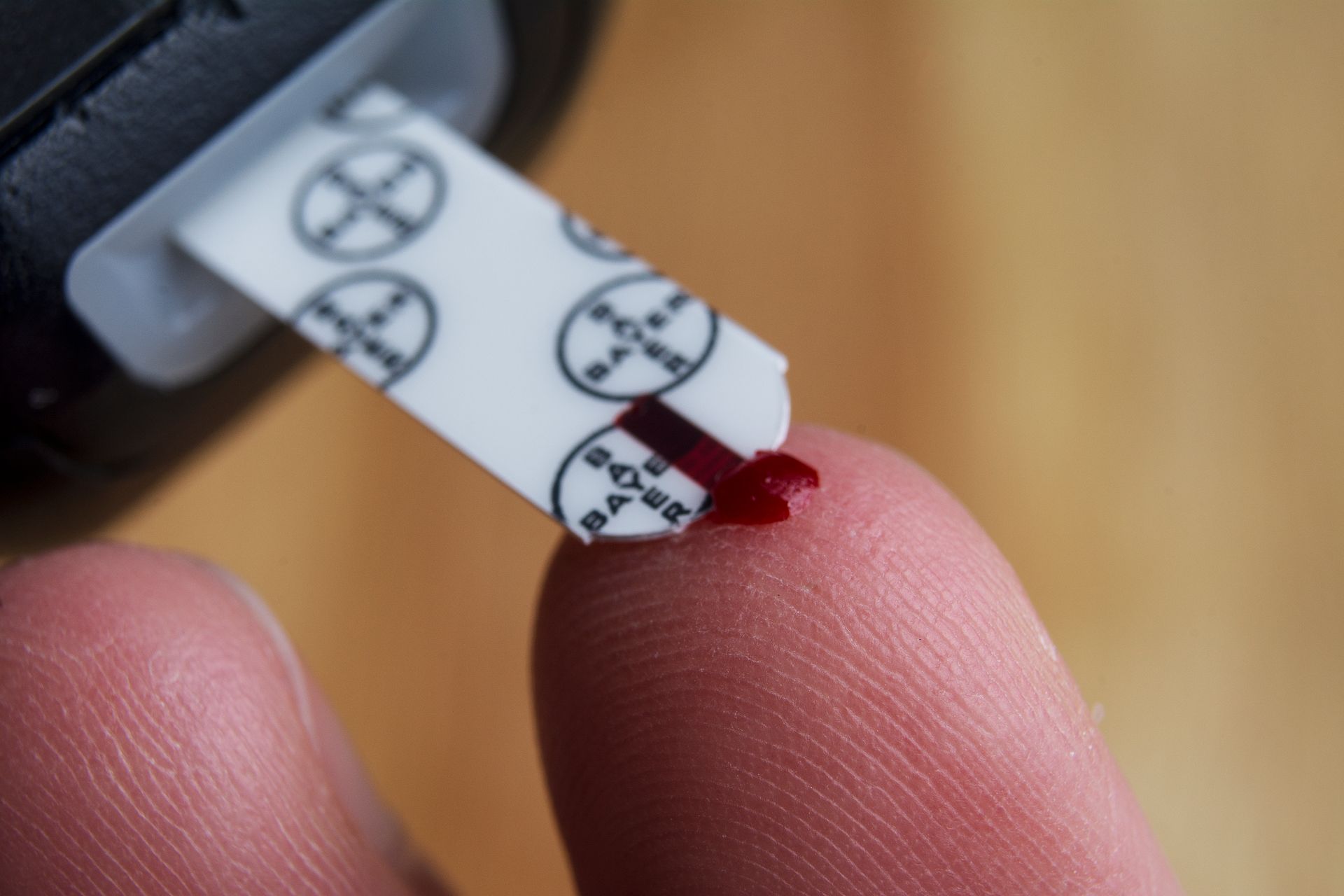
“Automated insulin delivery,” often referred to as “artificial pancreas” or “closed-loop” technology, refers to a wearable system that uses information about glucose (provided by a continuous glucose monitor, or CGM) to automatically adjust the delivery of insulin by an insulin pump to assist in reducing hypoglycemia (low blood sugar) and hyperglycemia (high blood sugar), attempting to increase the time that blood glucose remains in a healthy, target range.
About Bigfoot Biomedical, Inc.
Bigfoot Biomedical was founded by those affected by and living with Type 1 Diabetes (T1D) and is committed to leveraging data, people, and smart technology to create a connected ecosystem of services and solutions that aim to deliver improved outcomes valued by patients, providers, and payers. Learn more at bigfootbiomedical.com.
The Power of Screening & Early Detection for Type 1 Diabetes: The Diagnosis I Wish We Could Have Had