A Day in the Life of a Teen with Type 1 Diabetes
Sasha Amiscaray • April 29, 2019
TL;DR
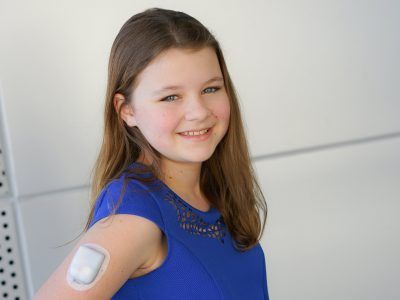
Living with Type 1 diabetes as a teenager requires constant monitoring, insulin management, and balancing daily activities like school, driving, and sports. Sasha shares what a typical day looks like—from morning blood sugar checks and managing highs and lows to dancing for hours and advocating for diabetes awareness at school. While diabetes can be unpredictable and mentally exhausting, technology, preparation, and self-advocacy make daily life more manageable.

Updated: March 16, 2026
Why Living With Type 1 Diabetes Is Different Every Day
A day with type 1 diabetes can differ so much from day to day. Some days are easier than others and your blood sugar is in range all day. It is like you do not even have diabetes because your numbers are that good. Other times, your
Dexcom graph may look like a blueprint for the newest and most crazy rollercoaster at Elitch’s. A day with type 1 diabetes is never the same as the previous day or the next day, and it seems type 1 diabetes is a giant guessing game.
Managing diabetes at school can be hard, but it is possible as long as you advocate for yourself or your child.
Morning Blood Sugar Checks and Managing the Dawn Phenomenon
A typical day for me would start out with me waking up and turning off my alarm, and then immediately checking my blood sugar. My night numbers tend to be great, so I wake up with a good blood sugar. Usually I do not eat breakfast, but because of all the hormones when I wake up, my blood sugar rises steadily throughout the morning. An hour or two after I wake up my blood sugar is already above 200 and I have to correct and give myself some insulin during school.
Around two hours after waking up I eat
my first meal of the day, which is often yogurt and granola. For some reason yogurt makes my blood sugar go high so not long after my first meal of the day, my blood sugar ends up rising and going high. I correct once again to bring my blood sugar down, and by this time it is the afternoon which is when I study or take a nap.
Exercise and Type 1 Diabetes:
How Physical Activity Affects Blood Sugar
For the next however many hours my blood sugar is steady, and I either head back to school for another class or I get ready to go to dance. I try to eat a good meal before dance because I am usually there for many hours at a time. I may have some rice, chicken, pasta, or more yogurt and granola. Once I get to dance, the exercise helps to keep my blood sugar in range, so I do not have to worry as much about going high.
Every time I have a break at dance, I check my blood sugar and make sure I do not need to eat some sugar or correct and give myself more insulin. If I need to eat while at dance because my blood sugar is low, I usually have glucose tabs (raspberry, grape, and tropical are my favorites) and I have a protein bar or some dried fruit, so I am not just eating pure sugar.
After dance I go home and I eat dinner. I prefer to avoid fatty foods and high carb foods because those always cause me to go high overnight. Once I eat dinner, I do my homework, shower, and get ready for bed, and check my blood sugar once again before I fall asleep.

Safe Driving With Type 1 Diabetes
Since I have my driver’s license, I have to check my blood sugar every time I want to drive somewhere. I have glucose tabs and skittles in my car within arm’s reach in case I start to go low while driving. There have been many times when I have been unable to drive because my blood sugar was low and I have definitely been late to events because I could not drive. Some people may feel sorry, but it has become a part of my life, and it does not bother me anymore.
Managing Type 1 Diabetes at School
School has not always been the easiest for me. My blood sugar alarm has gone off in classes before (and somehow it is always during a test) and that always freaks everyone out and causes them to look around since they have no idea what the sound is. I have had teachers that do not let students eat in class, but sometimes my blood sugar would go low, and I would have to eat in class. I used to be very good about telling teachers I have type 1 diabetes and that I can drink water, go to the restroom, eat, etc., whenever I need to. However, now I am a junior in high school and because I am in all college classes, the teachers are more lenient than my previous teachers in elementary, middle, and high school. They do not mind if I have to leave class or eat in class due to diabetes, so I have not made as big of a deal of it – i.e. putting extra snacks and supplies in every class and telling every teacher I can eat and leave class whenever I want.
When I was younger and in elementary and middle school, my mom would always make sure the teachers were aware of my type 1 diabetes and had extra supplies and snacks for lows in the classrooms. Of course, the school nurse would always have lots of extra supplies as well.
Educating Others About the Difference Between Type 1 and Type 2 Diabetes
Since diabetes is not a “big” deal to me in the sense that my life does not revolve around it, I personally choose not to tell people right away that I have diabetes. Normally I let them find out on their own and when they find out they are always so accepting of it! When they find out I always make sure to let them know if they have any questions, just ask. I am very open about having diabetes and I do not mind educating them if they have questions.
I have also heard many people at school, teachers included, get facts about diabetes wrong. I have always made sure to correct them. Unfortunately, a lot of teachers in the education system are unaware of the difference between type 1 and 2 diabetes, even if they are a science teacher and are supposed to know these types of things. Never be afraid to raise your voice if you hear someone making fun of diabetes or getting type 1 and type 2 diabetes confused. You will be thankful you spoke up, trust me.
The Mental Load of Living with Type 1 Diabetes
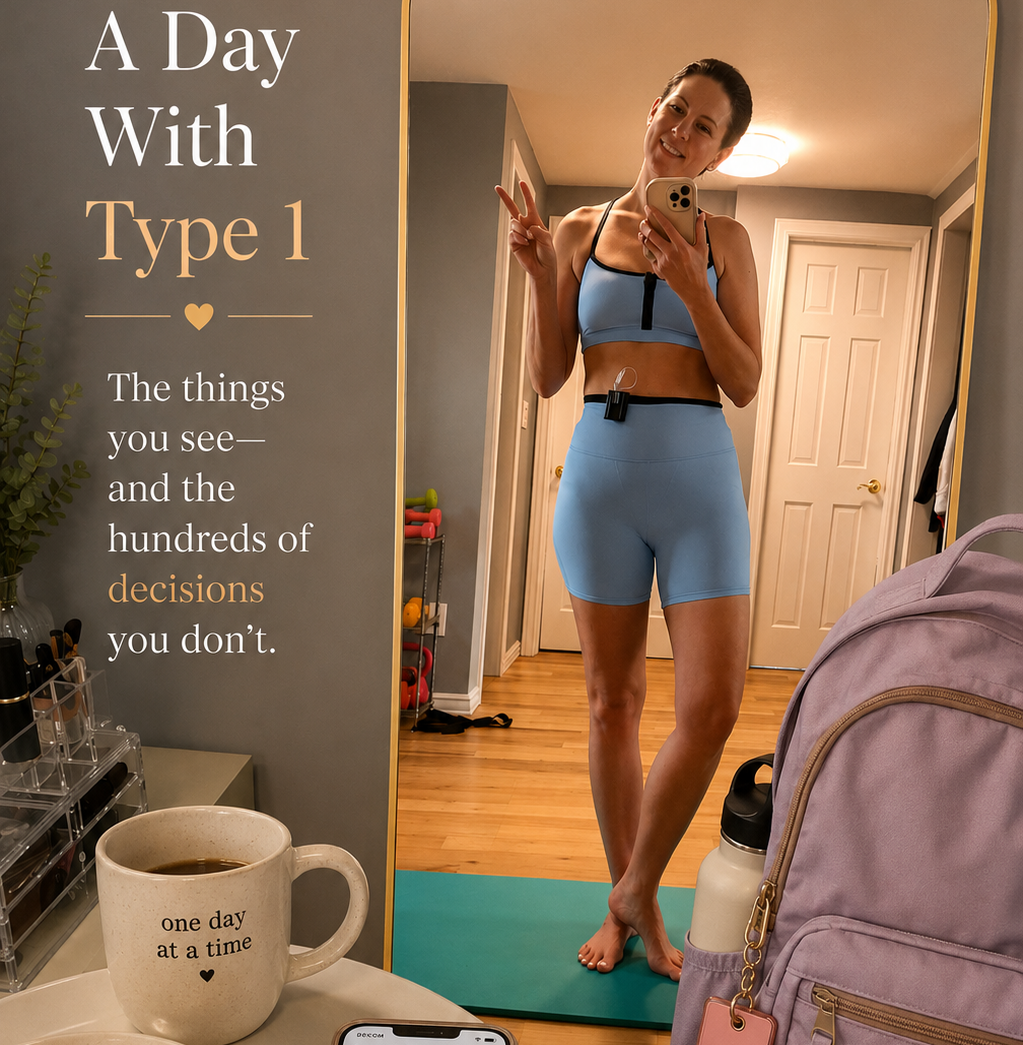
A day with type 1 diabetes is hard to explain unless you live it. It consists of constantly checking your blood sugar, counting carbs as best as you can, giving yourself the correct amount of insulin, and hundreds of other small things people with diabetes think about on a
day-to-day basis.
Dealing with diabetes everyday can be mentally draining and upsetting, but thankfully the bad days do not last. School is hard to navigate at first, but once you figure it out, it is easier to focus on studying, doing homework, and spending time with friends. Thankfully technology has made life with diabetes much easier and I do not have to test my blood sugar several times a day. Day-to-day life is getting easier thanks to advancements in technology, but we still have a long way to go until everyone understands type 1 and type 2 diabetes and quite possibly an even longer time until we find a cure. Life gets easier, even if it does not seem like it.
The Power of Screening & Early Detection for Type 1 Diabetes: The Diagnosis I Wish We Could Have Had