
Driving & T1D
Driving with Type 1 Diabetes: A Comprehensive Guide
Driving is an essential aspect of independence and daily life. For individuals with type 1 diabetes (T1D), it requires extra vigilance and preparation to ensure safety on the road. This guide provides tips for driving with T1D, helping you stay safe and confident behind the wheel.
Understanding the Risks
Living with T1D means that blood sugar levels can fluctuate, sometimes unpredictably. Both hyperglycemia (high blood sugar) and hypoglycemia (low blood sugar) can impair the ability to drive safely. Symptoms such as dizziness, confusion, blurred vision, and loss of consciousness can be dangerous while driving.
Neuropathy and Retinopathy: Impacts on Driving
For people with T1D, nerve damage (neuropathy) and eye complications (such as retinopathy) can develop over time, affecting driving ability.
Neuropathy (Nerve Damage):
- Symptoms: Numbness, tingling, or pain in the hands, feet, or legs can be a sign of neuropathy, a condition that affects nerve function.
- Impact on Driving: Neuropathy in the feet or legs can impair your ability to feel the pedals (accelerator, brake, or clutch), making it harder to react quickly in an emergency. You may not be able to notice if your foot is slipping off the pedal or if you are applying pressure unevenly.
- What to Do: If you experience neuropathy symptoms, discuss potential solutions with your healthcare provider. They may recommend changes in your driving habits, such as shorter trips or driving with a special type of footwear that enhances pedal grip.
Vision Issues (Retinopathy):
- Symptoms: Significant retinopathy, a complication of diabetes that affects the blood vessels in the eyes, can lead to blurred vision, difficulty seeing at night, or even sudden vision loss.
- Impact on Driving: Retinopathy can significantly impair your ability to see clearly, especially in low-light conditions or when judging distances. You may have trouble reading street signs or seeing pedestrians and other vehicles, increasing the risk of accidents.
- What to Do: If you notice changes in your vision, see your eye care professional (optometrist or ophthalmologist) for a full eye exam. Regular screenings and treatment can help manage retinopathy. If you experience sudden or significant changes in your vision, avoid driving until you’ve received proper treatment and clearance.
Preparation Before Driving
1. Check Your Blood Sugar:
- Always check your blood sugar levels before driving. Do not drive with a low blood sugar. Aim for a level of at least 90 mg/dL before driving to lower the risk for having a low blood sugar while driving.
- If your blood sugar is low, treat it with a fast-acting carbohydrate and wait until it reaches a safe level before driving.
2. Keep Supplies Handy:
- Have a supply of fast-acting carbohydrates (like glucose tablets, juice, or candy) in the car.
- Keep your blood glucose meter or continuous glucose monitor (CGM) within easy reach.
3. Plan Your Route:
- Plan your trip, especially for long drives. Know where you can stop for breaks and to check your blood sugar.
While Driving
Stay Aware:
- Monitor how you feel. If you start to experience symptoms of low or high blood sugar, pull over safely to check your levels.
Avoid Distractions:
- Limit distractions in the car to focus on driving. This includes using hands-free devices for phone calls.
Frequent Checks:
- For long trips, check your blood sugar at least every two hours. Set reminders if necessary.
Emergency Protocols
Know What to Do:
- If you experience low blood sugar while driving, pull over safely, treat the low blood sugar, and wait until your levels are stable before continuing.
Inform Others:
- Inform a trusted person of your travel plans. Share your route and expected arrival times.
Medical Identification:
- Wear a medical ID bracelet or have an ID card that indicates you have type 1 diabetes.

Legal Considerations
Know the Laws:
- Be aware of driving regulations and laws related to diabetes in your area. Some regions may require you to report your condition to the Department of Motor Vehicles (DMV) or licensing authority.
Medical Clearance:
- In some states, you may need a medical clearance from your healthcare provider to obtain or renew your driver's license.
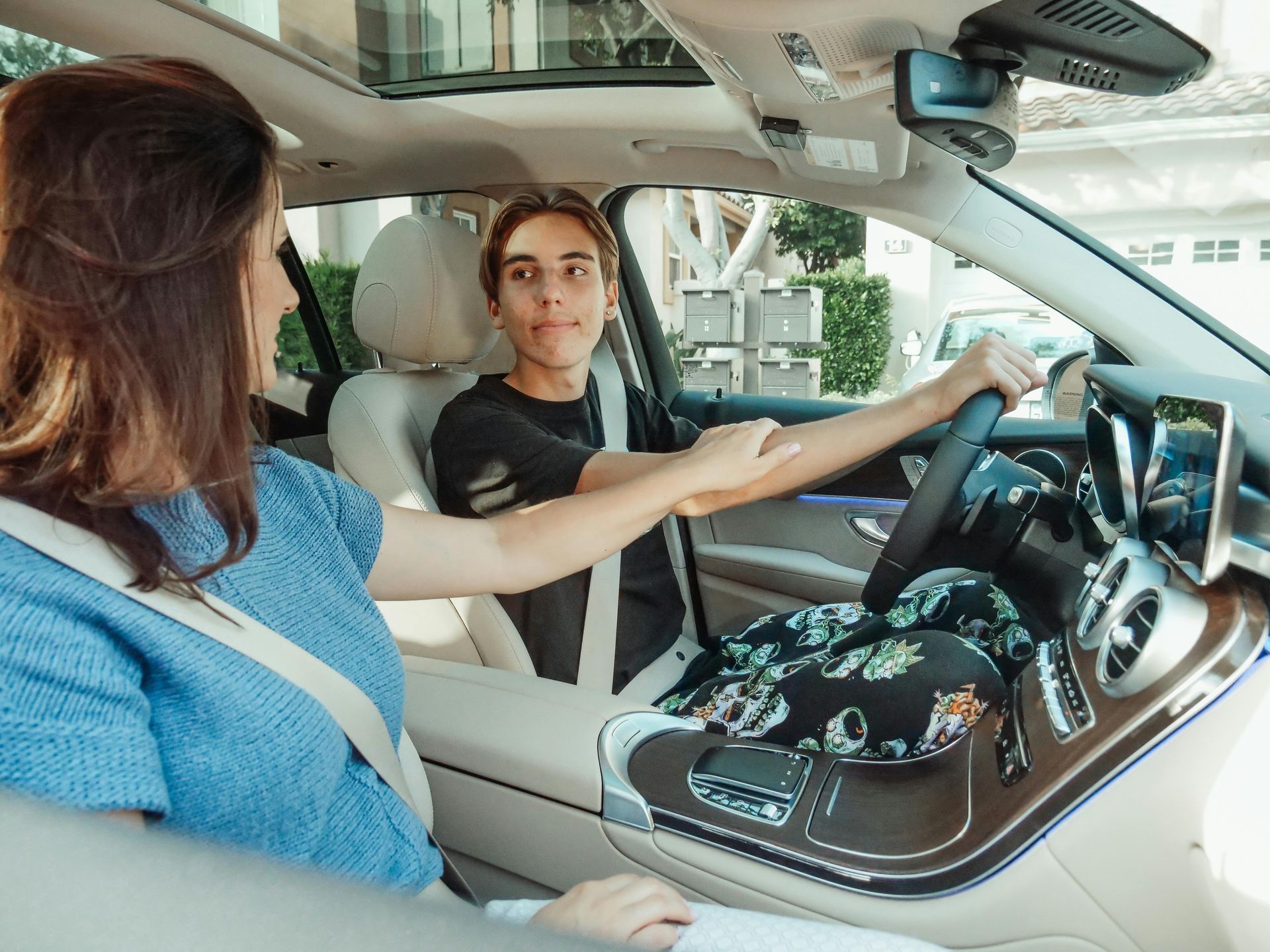
Tips for Parents of Teen Drivers with T1D
Educate:
- Ensure your teen understands the importance of managing their blood sugar before and during driving.
Supervise:
- Initially supervise their driving to ensure they are following safety protocols.
Emergency Plan:
- Create a detailed emergency plan that your teen can follow if they experience a blood sugar issue while driving.
Disclaimer: This information is provided for educational purposes only and should not be considered medical or legal advice. Always consult your healthcare provider for guidance specific to your health condition.