Back to School with Type 1 Diabetes
Graham Daugherty • August 16, 2002

Going back to school with Type 1 diabetes can be scary for both the student with Type 1 and their family. Make sure to read our back-to-school checklist to make the transition easier!
- Fill out your 504 plan with help from your school representative and your diabetes care team. A 504 plan sets actions a school must take to assure the student with Type 1 is safe, has the same access to education and resources, and is treated fairly. The 504 plan also includes information about Type 1 diabetes. Click here to download the 504 plan. Click here to download the form in Spanish.
- Discuss specific care of your child with the teachers, school nurse and other staff who will be involved.
- Make sure your child understands the details of who will help them with testing, shots, and treatment of high or low blood sugars at school and where supplies will be kept. Supplies should be kept in a place where your child can access them whenever needed.
- Keep current phone numbers of where you can be reached. Collect equipment for school: meter, strips and finger-poker, lancets, insulin, insulin syringes, biohazard container, logbook or a copy of testing record form (make arrangements to have blood sugars sent home routinely), extra insulin pump supplies, extra CGM supplies, ketone testing strips, and a photo for substitute teacher’s folder.
- Food and drinks; make sure to check intermittently to make sure supplies are still well stocked. Be sure to include:
- juice cans or boxes (approximately 15 grams of carb each)
- glucose tablets
- instant glucose or cake decorating gel
- crackers (peanut butter and/or cheese)
- quarters to buy sugar pop if needed
- Fruit-Roll Ups
- dried fruit
- raisins or other snacks
- A box with the child’s name to store these above food and drink items.
- Going back to school can be overwhelming for all students so be sure to talk to your student about things other than Type 1 (they are more than just their disease)! When they get home from school, try to have the first thing you ask them about be something not related to Type 1 and then circle back. Remember Type 1’s can do anything their peers can do, they just need a few additional pokes and snacks!
Good luck to everyone going into their new school year! Remember CDF is always here for you!
Click here to download some free back-to-school printables.
Click here for more information our type 1 support groups.
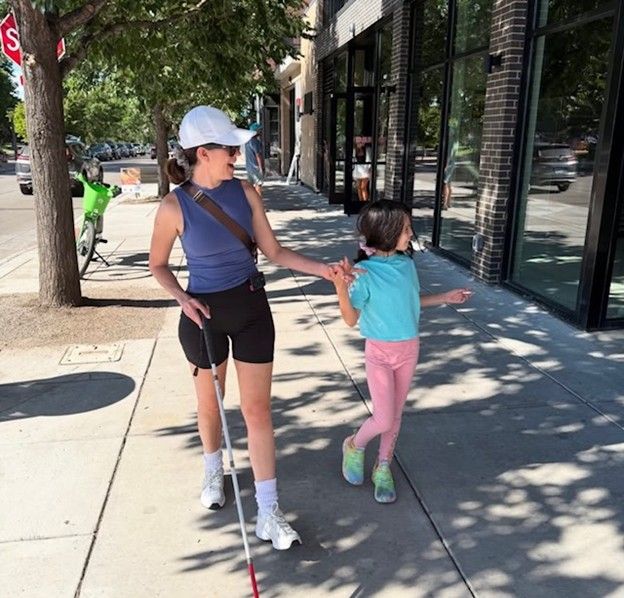
One mother shares her journey with type 1 diabetes, vision loss, self-advocacy, and resilience while learning to prioritize mental health and care.
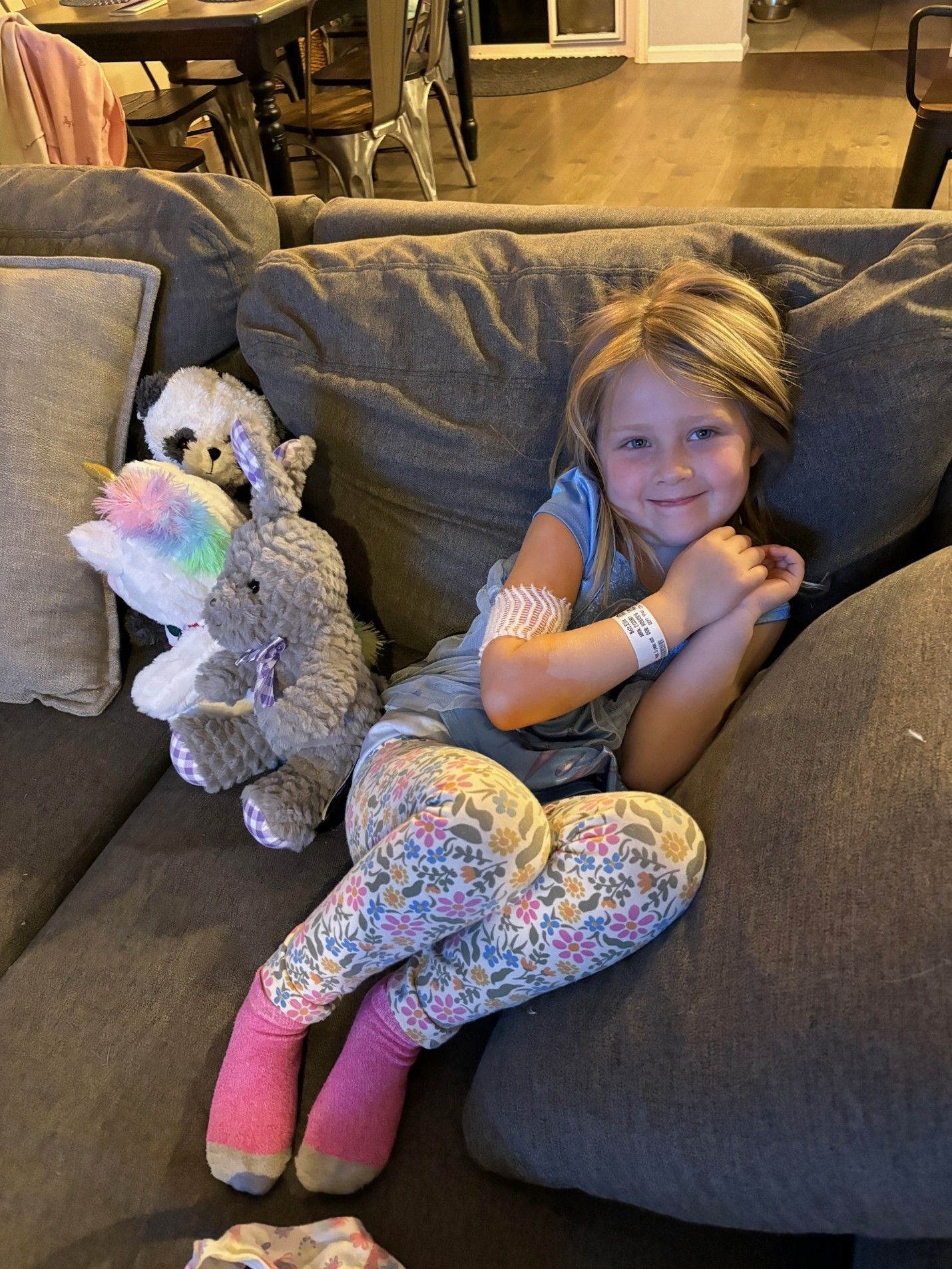
Learn how early screening, TrialNet research, and Tzield treatment helped delay one child’s type 1 diabetes diagnosis and insulin dependence.
Learn how overnight diabetes camp helps children with type 1 diabetes build confidence, independence, friendships, and lifelong support.
Learn the key differences between type 1 and type 2 diabetes, including causes, symptoms, diagnosis, and treatment. Understand how to recognize misdiagnosis.

TL;DR After 15 years of living with type 1 diabetes, Sasha shares her journey from diagnosis and denial to acceptance, advocacy, and a career in healthcare. Through challenges like fear of injections, managing diabetes as an athlete, and navigating school and college, she discovered strength, community, and purpose. Her story shows that while diabetes is difficult, it can also shape identity, open doors, and lead to meaningful connections and opportunities.

Type 1 diabetes affects mental health in youth and families. Learn about risks like depression, anxiety, and distress, plus support options and when to seek help.

Type 1 diabetes is often misdiagnosed as flu, UTI, or viral illness. Learn key symptoms, DKA warning signs, and when to ask your doctor for testing to avoid delays.
After years of hiding her type 1 diabetes, one woman shares how community, advocacy, and lived experience transformed her journey with T1D.
A grandson shares his and his grandmother's journeys with type 1 diabetes, revealing how care, technology, and support have changed across generations.