Life With Type 1

Graham Daugherty • November 14, 2002

By Gavin Volden
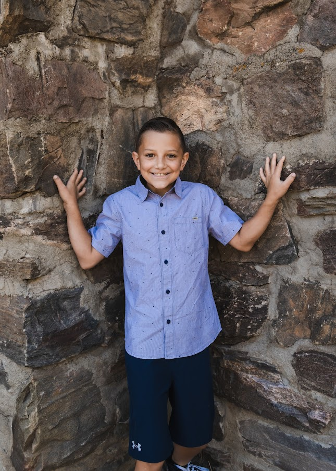
A young boy is standing in front of a stone wall.

Hi, my name is Gavin and I am 11 years old. I have lived with type 1 diabetes for seven years. Living with type 1 diabetes is very hard because no one understands what it’s like.nnLiving with type 1 diabetes is hard because you have to get insulin and it makes me feel shaky and out of this world. Sometimes when I am low, I don’t feel good and when I am high I get hot and it is hard to focus. When my blood sugar isn’t high or low, I feel great! I also wear cool devices.nnI wear an Omnipod 5 insulin pump and a Dexcom and they help manage my blood sugars and keep me healthy. The Omnipod is very nice because when I go high it sometimes gives me insulin on its own. Before I wore an insulin pump, I had to do shots. Whenever I got shots, I would run away because it scared me. I am thankful for my Omnipod because if I had to do shots, I would hate it. That’s why I am thankful for my pump and Dexcom.nnI hope one day that there is a cure for type 1 diabetes. I want to be a normal kid. A normal kid is someone who is not a diabetic and does not have to get juice every 5 minutes!!! Just kidding, but sometimes it feels that way. I would also like to go down the stairs on my butt without a Dexcom in my way. I just wish I did not have diabetes. Until then, I will have to deal with it.
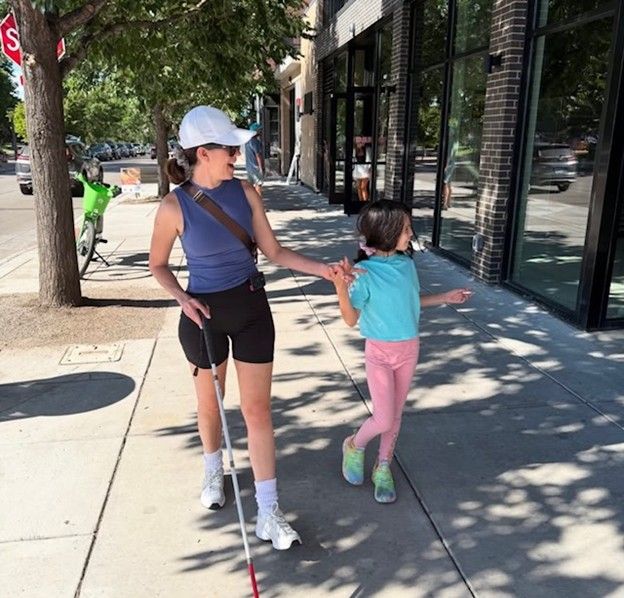
Woman walking down sidewalk with her daughter and holding a blind cane
By Mary Ann Chamberlain May 11, 2026
One mother shares her journey with type 1 diabetes, vision loss, self-advocacy, and resilience while learning to prioritize mental health and care.
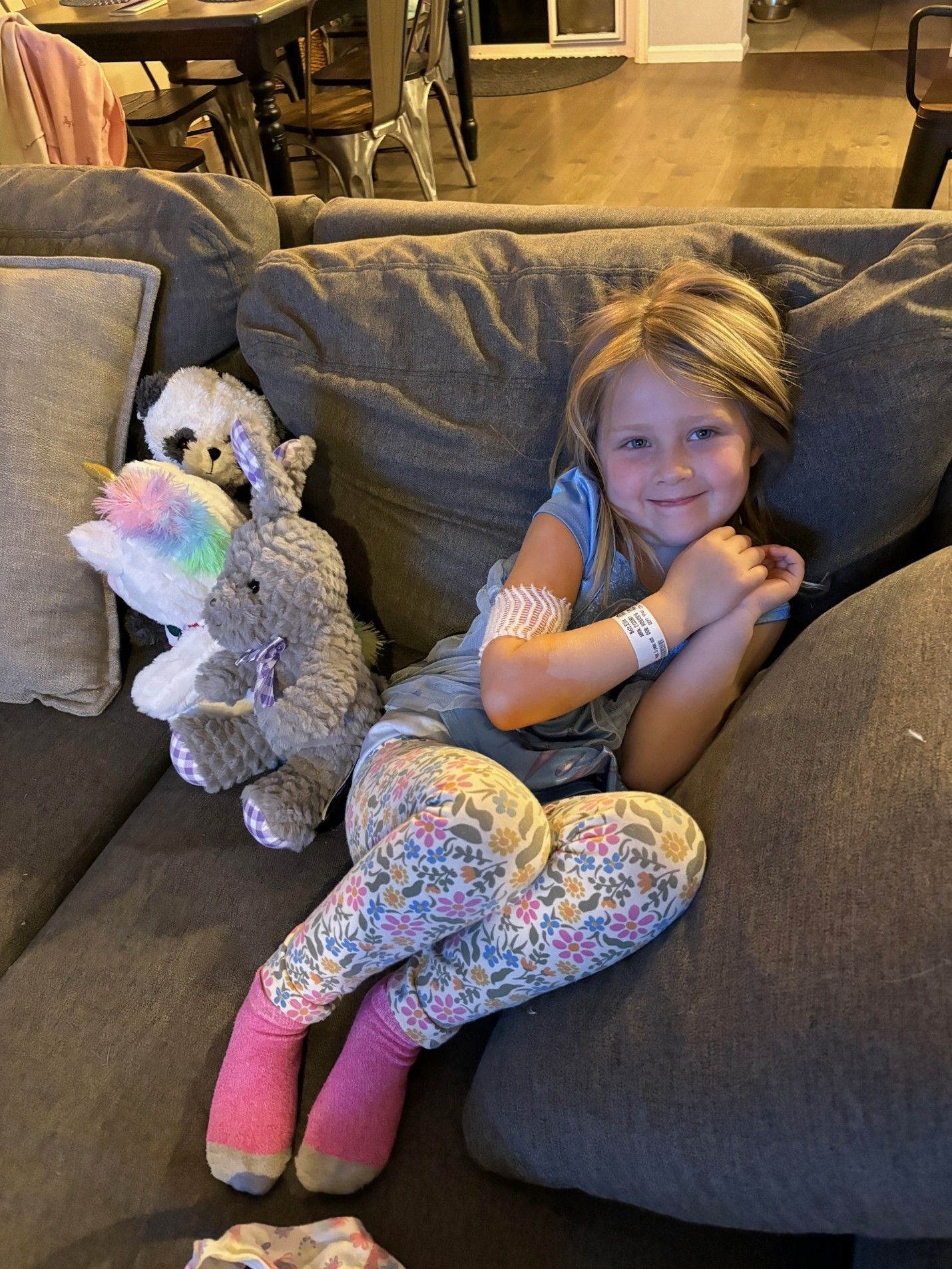
Smiling young girl on couch with bandage on arm and hospital bracelet on wrist
By Kimberly Belz, mother of two daughters, one with T1D May 5, 2026
Learn how early screening, TrialNet research, and Tzield treatment helped delay one child’s type 1 diabetes diagnosis and insulin dependence.
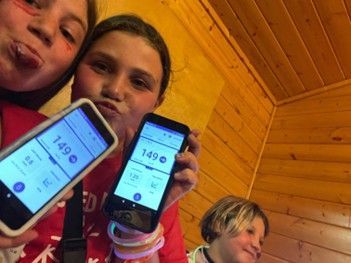
T1D camper Mia and her friend at camp with matching blood sugar levels on their phones
By Lauren Behm, Parent of T1D Camper, Mia May 4, 2026
Learn how overnight diabetes camp helps children with type 1 diabetes build confidence, independence, friendships, and lifelong support.
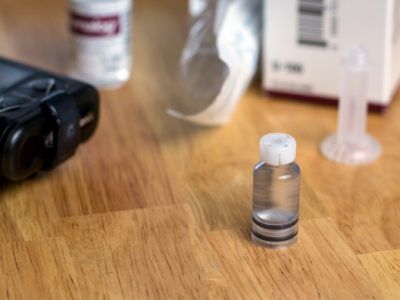
A small vial of insulin and other diabetes treatment tools on a table.
By Dr. Paul Wadwa, MD April 24, 2026
Learn the key differences between type 1 and type 2 diabetes, including causes, symptoms, diagnosis, and treatment. Understand how to recognize misdiagnosis.
A woman is doing a split with the words if i can just inspire one person
By Sasha Amiscaray April 15, 2026
TL;DR After 15 years of living with type 1 diabetes, Sasha shares her journey from diagnosis and denial to acceptance, advocacy, and a career in healthcare. Through challenges like fear of injections, managing diabetes as an athlete, and navigating school and college, she discovered strength, community, and purpose. Her story shows that while diabetes is difficult, it can also shape identity, open doors, and lead to meaningful connections and opportunities.
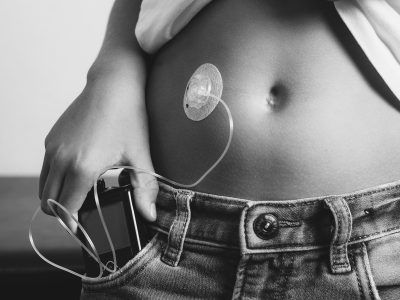
A black and white photo of a person with an insulin pump on their stomach
By Dr. Holly O'Donnell April 3, 2026
Type 1 diabetes affects mental health in youth and families. Learn about risks like depression, anxiety, and distress, plus support options and when to seek help.
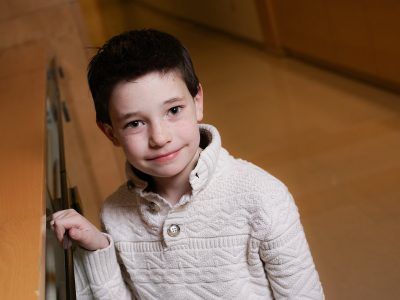
A young boy in a white sweater is standing next to a cabinet.
By R. Paul Wadwa, MD, Professor of Pediatrics at the BDC April 2, 2026
Type 1 diabetes is often misdiagnosed as flu, UTI, or viral illness. Learn key symptoms, DKA warning signs, and when to ask your doctor for testing to avoid delays.
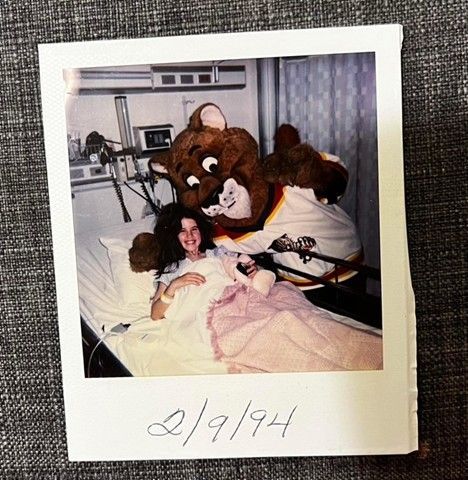
Author Mary Ann in hospital bed in 1994 smiling with team mascot
By Mary Ann Chamberlain March 30, 2026
After years of hiding her type 1 diabetes, one woman shares how community, advocacy, and lived experience transformed her journey with T1D.
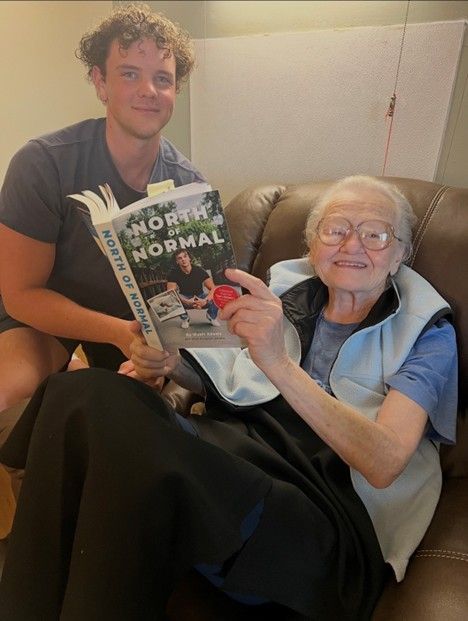
Author Wyatt Adams and his grandmother reading his book North of Normal
By Wyatt Adams March 30, 2026
A grandson shares his and his grandmother's journeys with type 1 diabetes, revealing how care, technology, and support have changed across generations.