Living Well with Type 1 Diabetes Over Four Decades…
Graham Daugherty • July 13, 2016
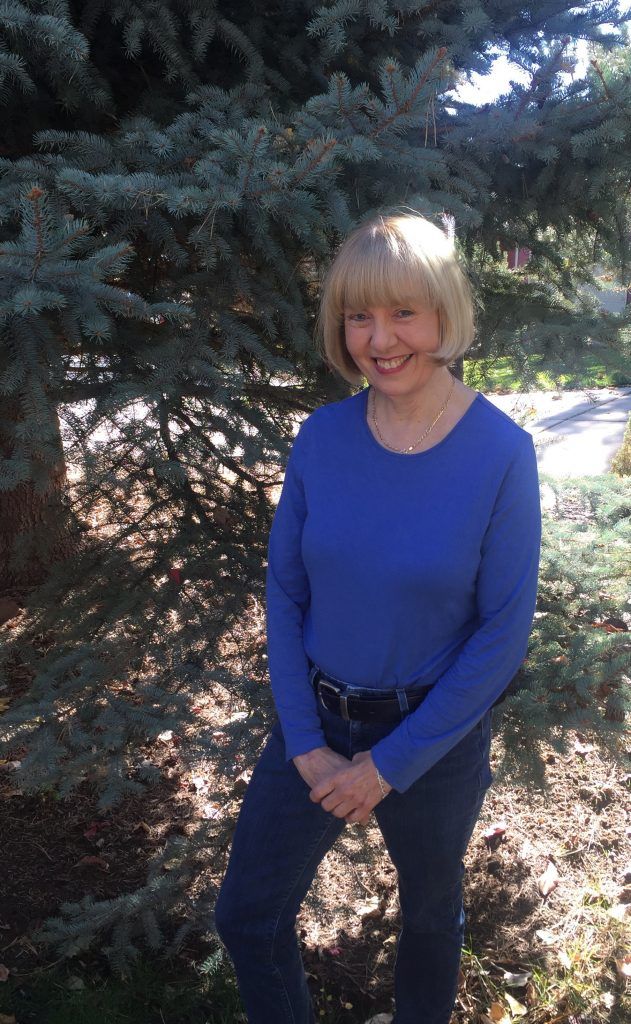
By Signe Myhren
In July of 1972, I was on vacation with my family for a few weeks, camping in Florida. That’s when the symptoms came on. Somehow we rationalized away the thirst (it was hot in Florida), the weight loss (I was swimming every day and walking around Disney World), and the frequent urination (caused by all the water I was drinking to combat Florida’s heat). My mother had to set up a pail outside the trailer, since it was too long a walk to the camp restroom during the night. Near the end of vacation, I was feeling quite unwell, and deep down I wondered if I had a terminal illness.
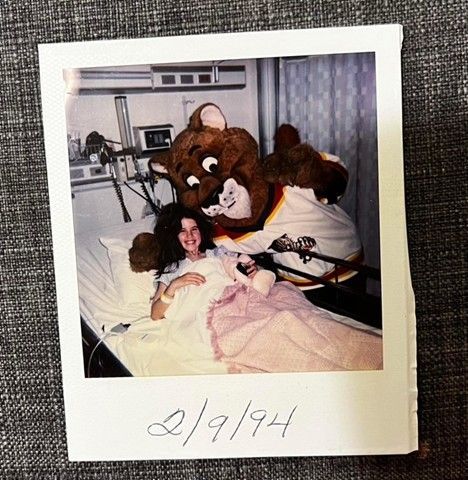
Upon my return home from vacation, my mother made an appointment to see my pediatrician immediately. My pediatrician called an endocrinologist when the urine test for sugar (Clinitest) done in her office, produced a bright yellow bubbling liquid in the test tube. I was driven to the hospital, where the diagnosis of “juvenile diabetes” (the old-fashioned term for type 1 diabetes) was confirmed by a blood test. The endocrinologist looked very somber when he came in to give me the bad news that I had an incurable, chronic illness. He warned me that my life was going to be very different from then on. I actually was very relieved deep down because I knew I wasn’t going to die.
In the hospital I was given a book which explained that prior to the discovery of insulin in the early 1920’s, type 1 diabetes was a death sentence. Starvation diets had been prescribed as a way of prolonging life back then. I realized how fortunate I was to have been diagnosed after the discovery of insulin. I vowed to think of every day beyond the day of my diagnosis as a gift.
In those days, there were no blood glucose meters, so doctors in the hospital (where I remained for about 2 weeks) determined my twice-daily insulin doses (of a mixture of Regular and NPH insulins, taken before breakfast and dinner) based upon venous blood glucose samples. The diet I was prescribed was based on the Food Exchange system, so I was allotted a certain number of “exchanges” for every meal.
I was not supposed to waver from the prescribed diet, since the carbohydrate in it was matched to my insulin doses, which never changed once they were set in the hospital. However, the Food Exchange-based diet was nutritious. Since I had always had a sweet tooth, and loved eating candy and cookies, adopting this new diet likely helped me to become healthier than I would have been had I not been diagnosed with type 1 diabetes. My endocrinologist told me that, on special occasions, I could just take “a little extra” regular (quick-acting) insulin to cover sweets. “A little extra” was never defined, in terms of insulin units!
It was my gratitude for all the things that are NOT wrong with me that shaped my philosophy towards living successfully with type 1 diabetes. Type 1 diabetes is not a terminal illness. My pancreatic beta cells were killed long ago in an autoimmune attack, but everything else in my body works just fine. I love to exercise, and do so regularly. Long walks are my favorite exercise, but I also work out at the gym, often with my Kindle propped up on the elliptical trainer so I can read at the same time! I have always worked hard to keep my body healthy.
I am also grateful that I was able to test my blood glucose frequently, beginning with my first-ever blood glucose meter, which I got in 1983. Prior to that, my blood glucose levels were tested once per month. Every month I visited the lab for a blood glucose test. A fasting blood glucose test one month alternated with an afternoon test the next month. The lab was closed at night, so there was no way of knowing what a bedtime blood glucose level was.
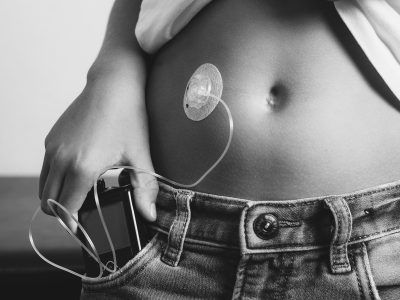
Currently I wear an insulin pump integrated with a CGM. I would give up my pump before my CGM. I love the constant data it gives me. The 11 years I spent without a blood glucose meter were dreadful. I lived in constant fear of hypoglycemia. To date, I have absolutely no complications of type 1 diabetes and I believe it has been my diligence in controlling my blood glucose levels that has made that possible.
For the past 22 years, I have worked as an elementary school music teacher in a public school – a job that I love, because it combines my love for children with my love of music. I have also sung professionally. I am a frequent traveler, and have been to Europe numerous times. When I retire from music teaching someday, I especially want to work with children who live with type 1 diabetes. They and their parents need hope and the assurance that complications can be avoided.
Don’t think for a minute that I love having type I diabetes. I don’t. There are mornings when I get up, see a high blood glucose number on my meter for no good reason, and think to myself “I’m so DONE with you, type 1 diabetes!” I’m sure all type 1s feel that way from time to time.
Yet, as my 44th ‘diaversary’ approaches, I remind myself that life is truly a gift. I am grateful for the good life I’ve had so far, and I plan to go on living a full and active life.