A Mom’s Perspective: 8 Years After Her Child’s Type 1 Diabetes Diagnosis
Jolean Lambrecht • September 19, 2019
TL;DR
A mother shares the story of her daughter Gracie’s type 1 diabetes diagnosis at age 4 after months of unexplained symptoms like extreme thirst, fatigue, and frequent urination. Despite initial medical dismissals, her instincts led to the correct diagnosis. Eight years later, Gracie is thriving—playing competitive soccer, advocating for children with T1D, and helping newly diagnosed kids at school. The journey has been challenging, but it has also been filled with resilience, advocacy, and hope for a cure.
Updated: March 16, 2026
Early Warning Signs of Type 1 Diabetes in a Child
Gracie was an extremely active 4-year-old little girl. She loved to run, play, nap and repeat! So, when she began complaining of “tummy aches” and feeling too tired to play, I knew something wasn’t right. My husband, Jeff and I took her to her pediatrician several times and were told each time that she “looked fine.” But she wasn’t fine!
Gracie then began drinking from the bathtub faucet during her bath-time and needing to pee all the time! Again, her pediatrician convinced us that the summer heat was causing her to be more thirsty than usual and dismissed our concerns. Over the course of six months, I was watching my little girl struggle and began to feel as if I was crazy. But I wasn’t crazy, my mother’s instincts were completely accurate.

The Day Our Child Was Diagnosed with Type 1 Diabetes
Then came the weekend in mid-September 2011 that changed our whole world. Gracie participated in her first soccer game, except she really didn’t play. She begged to come out of the game, complained that she was too tired, collapsed in my arms from exhaustion, and cried for something to drink because she was thirsty. That night, she wet the bed, something she had never done, ever. I returned Gracie to her pediatrician the following Monday and insisted that they test her blood sugar. It was too high to read on their glucometer. The entire office came into our room and apologized to us stating that Gracie had type 1 diabetes. I will never forget the pediatrician telling us that this is not “a life ender,” it’s a “life changer.”
Adjusting to Life With Type 1 Diabetes
I cried…a lot. I felt like life was so unfair. How could this happen to my sweet little girl? A life sentence. No cure. All of those needle pokes…why?! Why her?! But being the amazing child that Gracie is, at the age of 4 years old, Gracie consoled me. She said, “It’s ok mommy, insulin makes me feel better.” A 4-year-old, consoling me… her mom… a grown woman. That statement, however, changed my life. I no longer viewed Gracie’s diagnosis from the standpoint of a victim. Her wise statement was empowering.
From that day forward, I made a promise to Gracie that we would find a cure. Her journey over the past 8 years has been full of highs and lows… pun intended. We have seen friends come and go, battled our share of ignorance, but have never given up this fight. Gracie has continued to play soccer, progressing to a team that plays in The Colorado Champions League.
Helping T1D Patients and Families Through Diabetes Advocacy
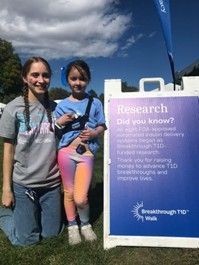
Take THAT diabetes! She has participated in research to help improve the lives of children with Type 1 Diabetes. Gracie has been given the amazing opportunity to be an advocate for Children’s Diabetes Foundation and is a member of National Junior Honor Society at her middle school.
I am humbled by her strength and optimism. It has been one of the greatest joys of my life to be her mom. She gives me hope that one day, we will look back and be able to say Gracie HAD type 1 diabetes. One glorious day, we WILL cure this disease.


The Power of Screening & Early Detection for Type 1 Diabetes: The Diagnosis I Wish We Could Have Had