Type 1 Diabetes and College: What Parents Need to Know Before Letting Go
Lori Finch • November 22, 2022
TL;DR
Sending a child with type 1 diabetes to college can be both exciting and overwhelming for parents. In addition to typical college concerns, families must prepare for independent diabetes management, emergency planning, and new routines. With open communication, proper preparation, and support resources like the College Diabetes Network and the Barbara Davis Center for Diabetes, students can successfully transition to college while staying safe and building independence.
Why Sending a Child with Type 1 Diabetes to College Feels Different
As parents, the only thing we can be sure of is change. This is especially true as you send your child off to college. However, when you send your type 1 child off to college, these changes could have serious consequences. All parents worry about the usual college issues like academic stress, roommate issues, sleep patterns, eating habits, and alcohol and drug use. Type 1 parents also have the added worries of blood glucose levels, insulin management, and DKA just to name a few.
So, what is a
type 1 parent to do? Up until now, our type 1 children have lived at home where we can see them daily, but what happens when we don’t have eyes on them every day? We want to navigate the college process without passing on our own anxiety, but how do we do that?
Essential Safety Planning for Type 1 Diabetes in College
First, parents must have a straightforward conversation with their type 1 child to prepare them for what to expect if their diabetes management gets off track. Parents need to ask questions like: Where is the Health Center located? Where is the nearest hospital? Will your roommate, RA, or RD know what to do in case of an emergency? Who will you call in case of an emergency?
Second, type 1 parents and students need to know that they are not alone. There are several online resources such as ADA’s College Diabetes Network which provides suggestions on what to look for as you begin searching for colleges, how to prepare for leaving home, and what to do once you’re on campus.
Programs That Help Ease the Transition to College with T1D
Our family is fortunate enough to live in Colorado where we have the Barbara Davis Center for Diabetes (BDC). The BDC offers a Beyond High School workshop that is a fun and interactive program that prepares young adults with type 1 diabetes for several life changes during their transition from high school to college, to work, and living away from their parents. They also offer a session for parents with a question-and-answer portion.
How to Talk to Your College Student About Diabetes Management
Realistically, your type 1 student may say their only concern is getting up for their 8am class; however, know that they likely have many, many concerns regarding their diabetes management and may resist having conversations about it. Give them some time and space and then approach the topic again. Your relationship with them will continue to evolve during their college years and beyond.

Letting Go While Staying Connected as a Type 1 Parent
Your role will be on an ever-changing spectrum from manager to consultant. This change does not mean that they are leaving you behind, but it does mean that they are taking meaningful steps towards adulthood. It represents an emotional separation for both parents and their type 1 children, which is perhaps the most difficult change of all, but know that your love, support, and counsel will continue to be necessary as your parental role continually shifts.
Also remember that the passage to adulthood takes time especially if there is the added challenge of type 1 diabetes. As parents of college students, we want our children to get good grades, to be kind and compassionate to others and themselves, and to find meaningful relationships. But as type 1 parents, our greatest hope is that we’ve given them all the necessary tools and resources to take care of their type 1 diabetes so that they can have the most normal college experience possible.
About the Author:
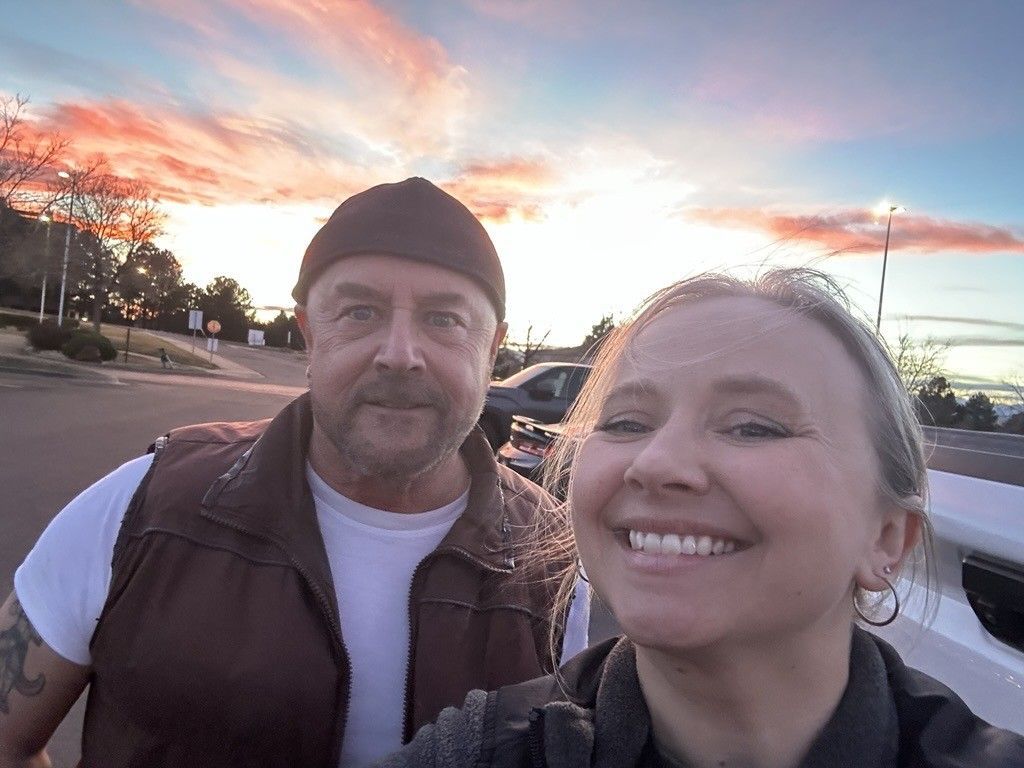
Lori Finch is the mother of four adult children, including her daughter Christina, who has lived with type 1 diabetes for 21 years. Since the original publication of the article, Christina has earned her law degree from Creighton University School of Law in Nebraska and is now practicing business law in Colorado. Lori is also a grandmother of four and resides with her husband in Foxfield, Colorado.


The Power of Screening & Early Detection for Type 1 Diabetes: The Diagnosis I Wish We Could Have Had