Meet the Doctor: Greg Forlenza, MD, Pediatric Endocrinology, Diabetes, and Technology
CDF Staff • January 5, 2026
TL;DR
We are proud to highlight the incredible individuals at the Barbara Davis Center for Diabetes (BDC) who dedicate themselves to improving the lives of those living with diabetes. In this interview, Dr. Greg Forlenza shares his journey into type 1 diabetes care, his passion for technology-driven treatment, and how innovations like automated insulin delivery are transforming patients’ lives. He highlights the impact of research at the Barbara Davis Center, the importance of community and family support, and his optimism for a future where diabetes management becomes easier, safer, and more automated.
HOW DID YOU GET INTO DIABETES CARE?
I’ve been involved in diabetes since my first year of medical school. I originally thought I wanted to work with children, but I didn’t know anything about type 1 diabetes. At the University of Florida, I volunteered at a diabetes summer camp—and that changed everything. I worked with the same group of campers for seven years, all through medical school and residency. The kids, along with several incredible mentors, pulled me into the field. I’ve always been more interested in technology than biology, and even back then I remember thinking:
"Kids are wearing pumps and sensors—why aren’t these devices talking to each other?"
That early curiosity led me to meet leaders in automated insulin delivery, including the team in Denver. That’s ultimately how I ended up dedicating my career to diabetes technology.
DO YOU HAVE A PERSONAL TYPE 1 DIABETES CONNECTION?
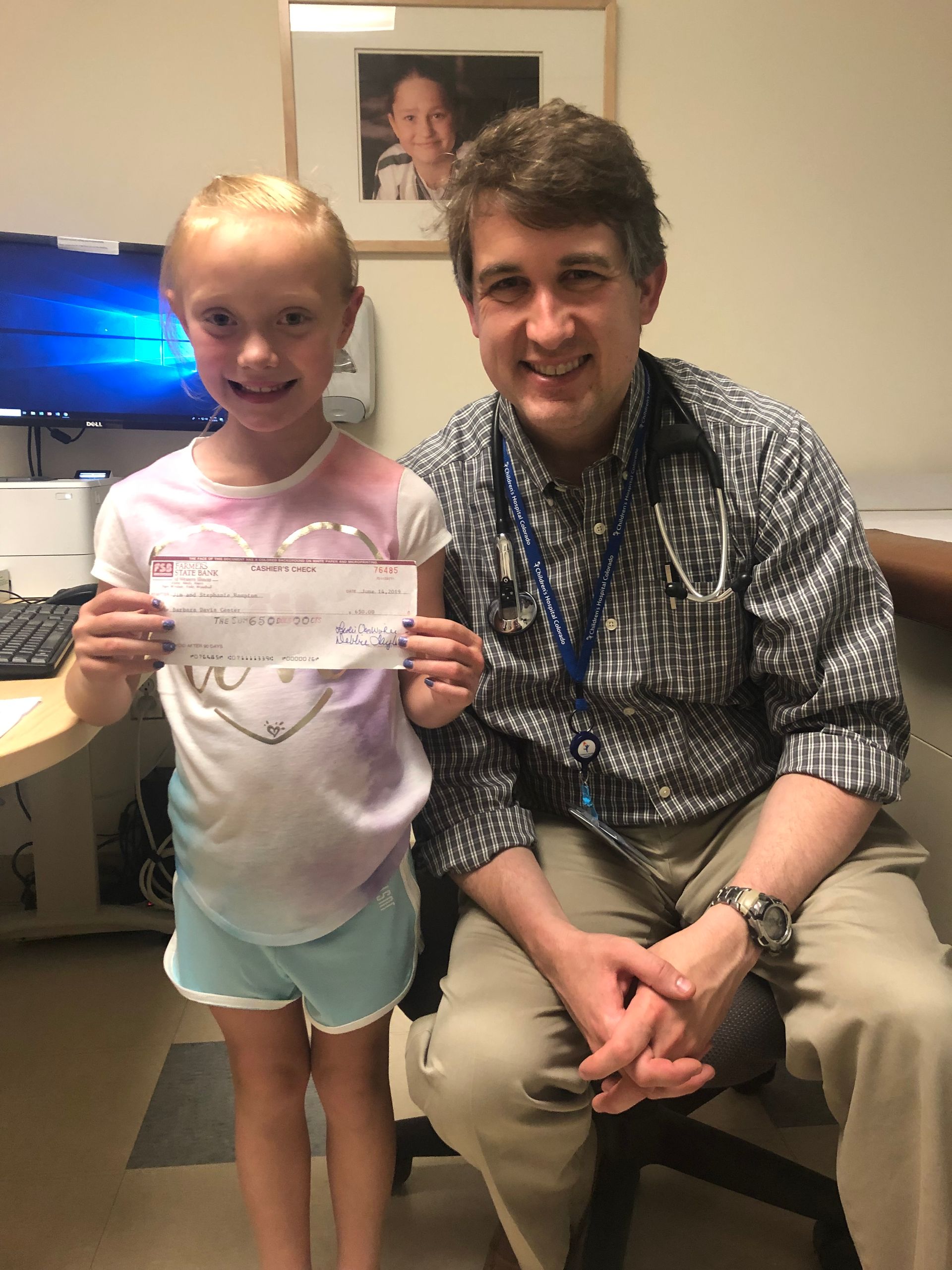
Not in the traditional way. My connection comes from camp. I’ve volunteered every summer since med school, and it’s a huge part of my life. My wife still jokes that she knew I was serious about her when I made her attend camp with me—and sit through my one-hour PowerPoint on diabetes management. Camp has shaped how I understand families, especially parents. It gives me a sense of what life is really like outside the clinic.
HOW LONG HAVE YOU BEEN WITH THE BARBARA DAVIS CENTER?
I joined right out of fellowship in July 2015
WHAT MAKES YOUR DEPARTMENT AND TEAM AT THE BDC SO UNIQUE?
In research, everything starts with a shared mission—and our team truly believes that technology can change families’ lives. That belief gets us through the tough parts: the long forms, the regulatory hurdles, the training sessions. We do it because we see the impact almost immediately. Many of our team members have type 1 themselves or have a family member with type 1, so the work is personal. Families often tell us, “This device gave me my first good night’s sleep since diagnosis,” or “This made us comfortable letting our child go to a sleepover.” Those moments validate every bit of effort.
WHAT HAS CHANGED IN DIABETES CARE SINCE YOU HAVE BEEN PRACTICING?
The pace of progress has been astounding. When I started, we were testing early artificial pancreas systems in the hospital with IV lines and 24/7 physician monitoring. Regulators literally said, “You will never be able to do this.” Fast-forward 10 years, and automated insulin delivery is standard of care. At the BDC, more than 75% of pediatric patients use these systems—around 3,000 kids. Watching that transformation from “this is too dangerous” to “this is routine” has been remarkable.
TELL ME ABOUT AN EXPERIENCE THAT HAS IMPACTED YOU AS A PROVIDER
One family stands out. Early in my time at the BDC, I met a mom, dad, and their two-year-old in the emergency room at diagnosis. The mom was eight months pregnant, and so was my wife, so their situation really hit home. That little boy went on to become one of the first children under six in the world to use automated insulin delivery in clinical trials. I saw them every month for years. Today he’s 12, loves coding, and dreams of becoming a diabetes device designer—using his experience to help others. Seeing technology change a family’s quality of life that profoundly keeps me inspired.
WHAT DO YOU DO FOR FUN WHEN YOU ARE NOT AT THE BDC?
Most of my time is spent being a dad to three daughters—11, 9, and 7—who keep me fully immersed in dance, K-Pop, and all things creative. I’m a big Broncos fan, a Georgia Tech and Florida football fan, and I play video games and Dungeons & Dragons.
TELL ME A FUN FACT ABOUT YOURSELF
I’m a full-on girl dad—ballet rehearsals, hair buns, K-Pop playlists, all of it. And yes, I know the lyrics to the K-Pop Demon Hunter soundtrack.
WHAT IS YOUR FAVORITE COLOR?
Blue—very on-brand for the BDC.
WHAT’S YOUR FAVORITE FOOD OR DISH TO MAKE?
Homemade pizza with homemade dough. The kids love helping, and it’s become a family favorite.
DO YOU HAVE ANY PETS?
Our newest family member is our one-year old Doberman, Romulus, a 90-pound dog who hilariously takes orders from my daughters.
WHAT MOTIVATIONAL ADVICE DO YOU HAVE FOR PEOPLE WITH TYPE 1?
Your experience gives you power. You can use it to make a difference for others. The tools we’re teaching today will look completely different a year from now—and five years from now, diabetes management will be dramatically easier.
We’re developing AI-driven systems that won’t require carb counting, meal dosing, or manual tuning. Blood sugar management will become more automated, safer, and less intrusive. My hope is that none of our kids will face complications in the future—and that they’ll live long, healthy lives with fewer burdens.
The Power of Screening & Early Detection for Type 1 Diabetes: The Diagnosis I Wish We Could Have Had