Type 1 Diabetes in Lockdown

Graham Daugherty • July 6, 2020

by Jennifer G.

July 1st is day 110 since our family decided we would have to stay home. We have a daughter with type 1 diabetes and a son with a compromised pulmonary system from asthma and childhood cancer. We decided that even if the virus didn’t hit kids as hard as adults, it would hit our kids harder and so we’ve been home.

March 13th was our last day of school here in Murrieta, California. I was working at the high school that day, subbing for a teacher who called in sick at the last minute just days after one of the other high schools was closed for a week because of a coronavirus scare. Thanks to all the kids’ cell phones alerting, we all knew at lunchtime that there would be no school until at least April 6th. Needless to say, there wasn’t much learning going on after lunch.

At first, it was just going to be a few weeks. We would be okay, since I am one of those people who prepares for emergencies. We had food and diabetes supplies, extra inhalers for my son, and we hunted up 8 years’ worth of school and scout prize bandanas for face coverings, just in case. We limited screen time and went on daily family walks. When the school closure extended to the end of April, maybe May, and then the end of the school year, we needed to make some changes.

A picture of a mountain with a white circle in the middle.

We bought better masks for when my husband went out and we didn’t go out together anymore. We changed from the Costco pharmacy with its crowds and long lines to the mail order pharmacy, so the meds and supplies came right to the door. We learned how to work the curbside delivery systems and once even took advantage of the at-risk patient shopping hour. I began wiping down our groceries and changing our clothes after shopping. California was on a strict lockdown for a substantial time and we stayed home.
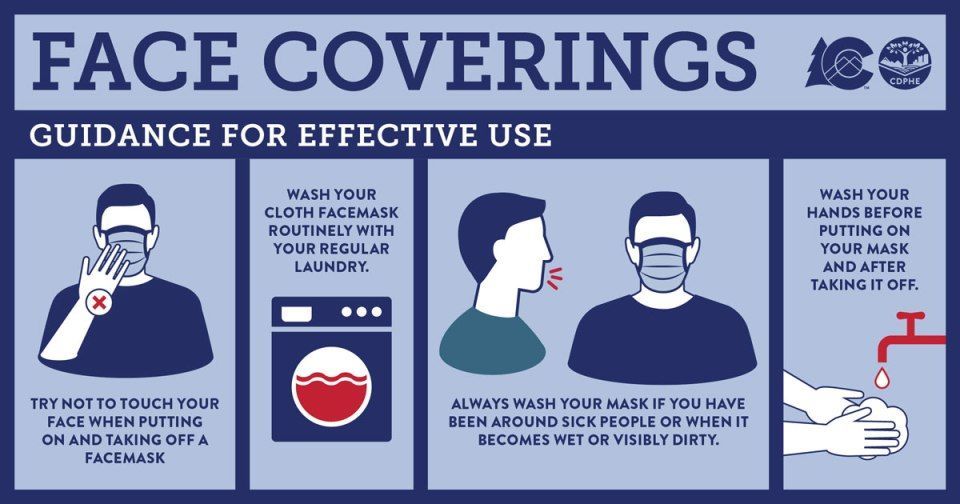
A poster that says face coverings guidance for effective use

The kids understood. They are teenagers, so we didn’t sugar coat it. They have both faced serious illness and even death, so they knew what it is to be hospitalized. As time wore on though, other families began lightening up, letting kids go and hang out together in parks or at friends’ houses. We have not. Our county is number 2 in our state for cases – far below LA county but higher than San Diego, San Francisco, Orange County, and many other larger metro areas. For the first time ever though, our teen daughter WANTS to go back to school. My son is desperate to ride bikes with his local buddy and his 13th birthday party was done over Zoom. Soon, decisions will have to be made about school. Do we let them go? How do we handle coming home? Can we trust the school to protect them? Knowing that people are divided and so many are going out without masks – some even claiming untrue medical conditions so they can avoid it – how can we trust that parents won’t medicate their kids’ fevers and send them off to school? It happens every year with the flu.
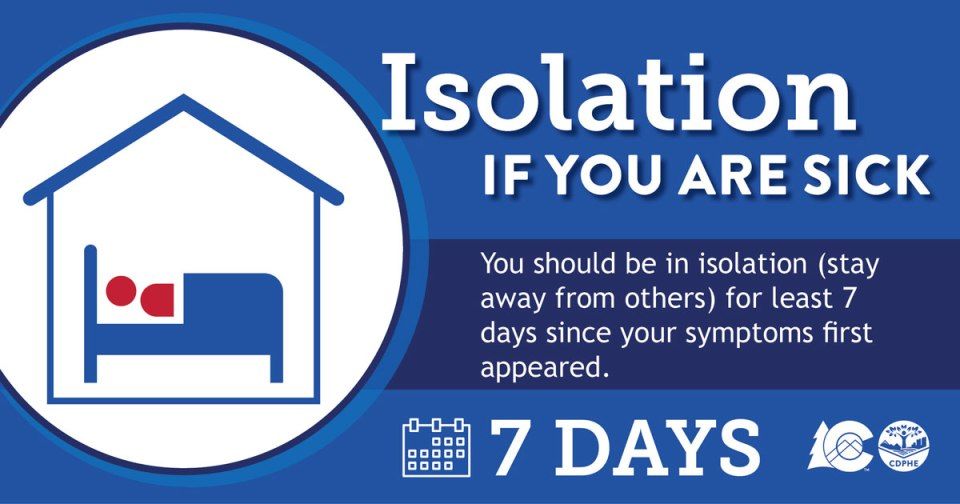
A blue sign that says isolation if you are sick

Sometimes the stress and fear are overwhelming. But then I remember the days we received our diagnoses. In 2006, when Dr. Walravens came into Natalie’s hospital room and introduced himself as our new pediatric endocrinologist. When we went to the Barbara Davis Center – the building still smelled like construction – and in 8 hours learned everything we could to keep her alive through the weekend. Holding our 2-year-old down to give her a shot while she screamed “HELP ME! You’re hurting me!” That was 14 years ago but feels like yesterday. Or the day in 2014 when we were sent straight to the PICU, bypassing check-in, where the pediatric cardiologist met us at the elevator and explained we would meet the oncologist in a few hours when the tests were back. We almost lost him that weekend and we would have if the appointment had been on Monday instead of Friday.

As parents of these amazing kids, we have all felt that feeling of helplessness. That feeling of what could I have done better, different? What should I have seen or done? Knowing in the end that you did your best with the information on hand and that is all any of us can do.

So, on day 110, with no end to our personal family lockdown in sight, I am watching my kids. I am checking in on them every day with hugs, a listening ear, and an open mind to what they can and can’t try. We are using information from trusted sources to make the best decisions possible, remembering that we have seen worse, and it’s only one year out of the decades they have left. My great grandmother lived through the 1918 pandemic, and then the depression on the plains of Colorado. She saw WWII, Korea, Vietnam, the Civil Rights movement, the Women’s Rights movement, and lived to be 102 years old. Our kids will make it. They will see the other side of this and tell their children about it when they come home with questions on some school project.

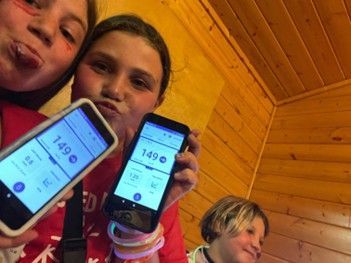
Type 1 diabetes makes families resourceful (ever go looking for sugar on a cruise ship at 3am? I have), persistent (ever call 8 pharmacies in a strange city on a Sunday night because you forgot the insulin in the fridge at home? I have), and so much more appreciative of life (our family motto is Choose Adventure!). So, hug your kiddos close, even if they’re almost 17, taller than you are, and making a funny face. Watch Star Wars or Marvel or a ridiculous Minecraft video. Make popcorn if they’re high and s’mores if they’re low. This too shall pass, and then we can get back to only worrying about where that 48 BG came from.
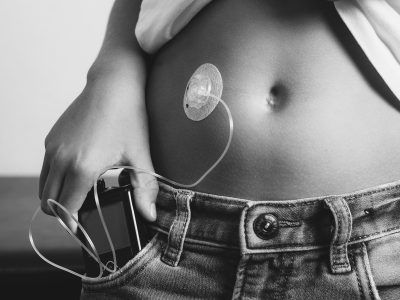
A black and white photo of a person with an insulin pump on their stomach
By Dr. Holly O'Donnell April 3, 2026
Type 1 diabetes affects mental health in youth and families. Learn about risks like depression, anxiety, and distress, plus support options and when to seek help.
A young boy in a white sweater is standing next to a cabinet.
By R. Paul Wadwa, MD, Professor of Pediatrics at the BDC April 2, 2026
Type 1 diabetes is often misdiagnosed as flu, UTI, or viral illness. Learn key symptoms, DKA warning signs, and when to ask your doctor for testing to avoid delays.
Author and type 1  diabetic Madeline in a research lab
By Madeline VanOrman March 20, 2026
Follow one patient’s journey with type 1 diabetes from childhood diagnosis to college life, sharing challenges, independence, and finding support along the way.
Three young type 1 girls with CGMs on their arms.
By CDF Staff March 18, 2026
Donate your Colorado state tax refund to the Children’s Diabetes Foundation. Learn how to use form DR 0104CH to support T1D patients and families.
A group of people are posing for a picture in a living room.
By Stacy Robinson June 14, 2024
With Father’s Day just around the corner, I am thinking about my dad even more than I usually do. He was a special man who lived a remarkable, impactful life right up until the day he passed away at the age of 98, a little over a year and a half ago. He was a decorated World War II veteran, a bookie in Vegas during the Rat Pack era who married the love of his life between rounds of a prize fight, and who later went on to become a successful entrepreneur. Most importantly though, he was a devoted husband, father and grandfather.
A man and a woman are posing for a picture in a parking lot.
By Lindsay Klatt June 14, 2024
Author: Lindsay Klatt Being the dad of two daughters already has its highs and lows; having one of them (who admittedly was already a little feisty) diagnosed with type 1 diabetes makes him a saint. My wonderful dad navigated these challenges with such love and grace. As we approach Father’s Day and as I recently celebrated my 27th Diaversary, I reflect on the things he deserves to be thanked for. There are too many to count and no way to properly express gratitude for the additional struggles type 1 fathers face, but here’s a toast to a few of the things etched on my heart: Cheers to my dad who, when I was diagnosed, had the best balance of acknowledging the sadness of the event and being encouraging for the future. It made me feel seen to see him upset, and to see him determined. He has always maintained that balance I am so grateful for.
T1D patient Dylan Archer on race track.
By Dylan Archer March 8, 2024
Diagnosed with type 1 diabetes at age 8, Dylan refused to give up racing. Read his inspiring journey of resilience, technology, and championship success with T1D.
Two girl scouts are standing next to each other in a room filled with boxes.
By Graham Daugherty January 9, 2024
By: Sarah Hathaway On October 10th, 2022 I earned my Life rank in Scouts BSA and began focusing on what was once a faraway goal: Eagle Scout. I had some ideas for my project and I knew I wanted to do something that means a lot to me and benefits as many people as possible; this led me to think about the Children’s Diabetes Foundation. I am an advocate for the organization and I know CDF has made an impact on others just like me so I was hoping I could come up with a plan to help families affected by T1D. I reached out to the Community Engagement Manager, Sydney. I believe that she was really confused and might not have heard about Eagle Projects before so she asked all about what I was looking to do and we talked about different options for projects. I asked her about the newly diagnosed onset bags for people with T1D that I remembered receiving from CDF when I was diagnosed in 2021. This was last June and we were both volunteering at the T1D Strong soccer camp. As camp went on we talked a lot and I offered some more ideas and the plan started coming together. I started to talk to diabetes-related companies to get additional informational materials to put in the bags. I got in contact with Dino from Omnipod and he was very helpful. He sent me a lot of informational packets, games, and even fake Omnipods for new patients to try before spending a lot of money on new technology. Unfortunately, other companies and organizations were not as responsive but there was already a lot of helpful stuff from CDF to go into the bags. I also did a fundraiser before my Eagle Project workday. I set a goal to raise money to put a restaurant gift card in each new onset bag because I remember going to lunch together as a family when I was discharged from the hospital. I knew that families could use that gift card and not have to worry about where to go. As I was fundraising, I found out that the Scouts BSA district person that I was working with, Pat, was associated with KFC. Pat put me in contact with the Regional Manager of KFC and through this contact, KFC donated 100 gift cards for the bags. Finally, on November 11th, 2023, I was able to carry out my project. I had been planning this for months and I was both nervous and excited. Sydney was kind enough to be at the CDF office on a day that she does not normally work and was so supportive. We set up the office to pack the bags and then people started to show up to help. We were able to do the project and even though we were only going to make 100 bags, the group ended up filling about 150 bags in less than an hour! Sydney and I then did a community information talk to over 30 people about our experiences with T1D and answered a lot of questions. It was awesome to look out in the audience at my Scout friends, neighbors, teachers, and family.
Type 1 Diabetes teenager on soccer field
By Gracie Lambrecht January 9, 2024
Learn about a teenage T1D soccer player. Discover tips for managing blood sugar, using CGM and insulin pumps, and staying game-ready as an athlete with T1D.