The True Meaning of Diabetes Awareness Month

Graham Daugherty • November 23, 2016

By Ana Reinhardt

Please don’t discard this post as just ‘another post about type 1 diabetes.’ Here is the deal. Friends, when my son Robert was diagnosed three years ago, I knew NOTHING about type 1 diabetes (T1D). November is Diabetes Awareness Month and we are trying to take this opportunity to bring true awareness because at the end of the day, what happens when November is over?

Bringing awareness to Robert’s disease isn’t just about wearing blue every Friday of November, or wearing blue on World Diabetes Day (November 14th). It isn’t just about spreading information about the prevalence of T1D, its risk factors, knowing the signs, symptoms, cause, and management of the disease.

Bringing awareness to T1D is about taking a moment to teach others to be mindful of people that suffer from this disease on a daily basis. It’s about teaching Robert’s teachers to be aware of his blood sugar levels before he sits down to take a test, participates in PE, and practices with his cross country team. Bringing awareness is about teaching his classmates that it’s ok to ask why he wears a device on his arm and on his stomach and not teasing him when his alarms go off. It is about teaching those around him that he must have his medical supplies on him at all times. Yes, this does include when he is riding his bike, playing at the park, and sleeping. It is about teaching others not to stare at Robert when you see him testing his blood sugar in public or when you notice tubing coming out of his shirt.

A woman is holding a black and white dog in her arms.

Most importantly, it is about teaching the world that kids with diabetes are strong, resilient, and brave. That they are not contagious, eating too much candy didn’t cause diabetes, and they too can eat what you eat. I use these examples because they are typical stereotypes Robert has to often disprove.

I will not tell you how many times his finger has been pricked, how many injections he has had to give himself, how many pump sites and sensor changes we have had to endure, or how many sleepless nights we have had fighting high or low blood sugars. That wouldn’t bring much awareness. That would solely evoke pity, and pity is not what we are looking for.

We are looking to educate the world about type 1 diabetes because an average of 110 children, whose families are unaware of T1D, are diagnosed each day. My family and I will not stop educating people about this disease in order to create an understanding in people about the truths of what diabetes entails. We do this not only to create a community in which Robert (and other diabetic children) can feel safe and included, but also to encourage him to be a lifelong advocate for himself and all those suffering from T1D.

A young boy wearing a plaid shirt and blue shorts is sitting in the grass and smiling.
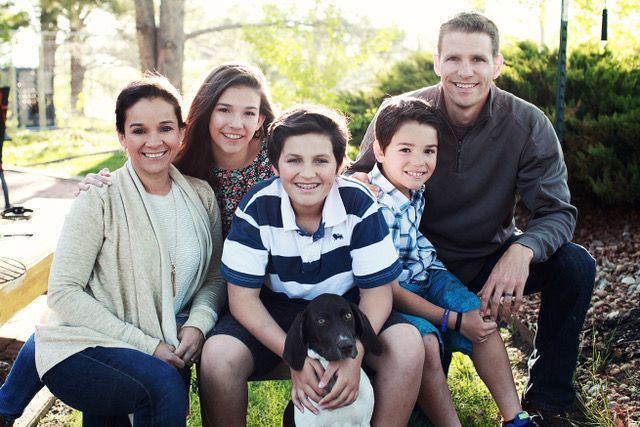
A family is posing for a picture with a dog.
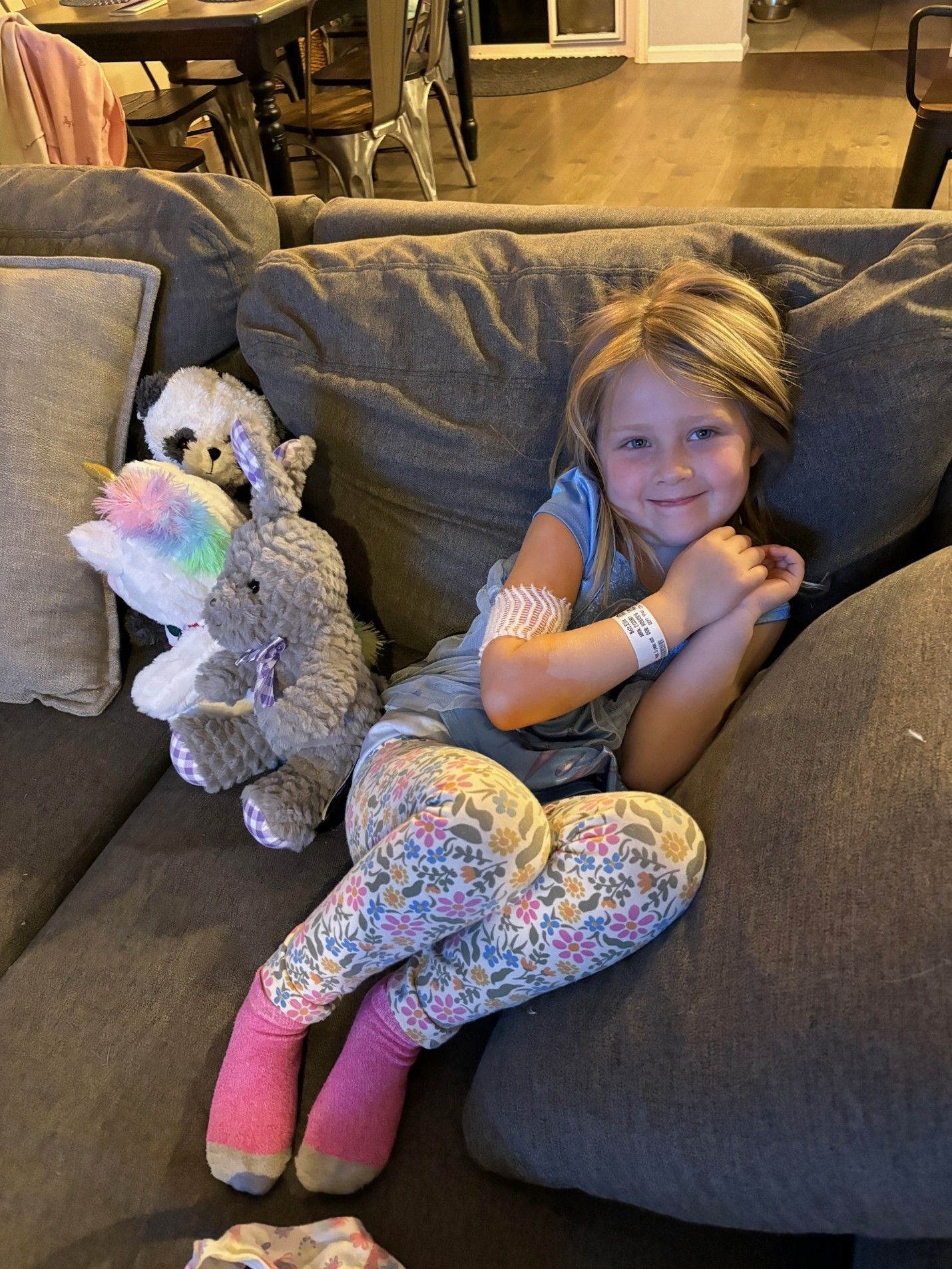
Smiling young girl on couch with bandage on arm and hospital bracelet on wrist
By Kimberly Belz, mother of two daughters, one with T1D May 5, 2026
Learn how early screening, TrialNet research, and Tzield treatment helped delay one child’s type 1 diabetes diagnosis and insulin dependence.
T1D camper Mia and her friend at camp with matching blood sugar levels on their phones
By Lauren Behm, Parent of T1D Camper, Mia May 4, 2026
Learn how overnight diabetes camp helps children with type 1 diabetes build confidence, independence, friendships, and lifelong support.
A small vial of insulin and other diabetes treatment tools on a table.
By Dr. Paul Wadwa, MD April 24, 2026
Learn the key differences between type 1 and type 2 diabetes, including causes, symptoms, diagnosis, and treatment. Understand how to recognize misdiagnosis.
A woman is doing a split with the words if i can just inspire one person
By Sasha Amiscaray April 15, 2026
TL;DR After 15 years of living with type 1 diabetes, Sasha shares her journey from diagnosis and denial to acceptance, advocacy, and a career in healthcare. Through challenges like fear of injections, managing diabetes as an athlete, and navigating school and college, she discovered strength, community, and purpose. Her story shows that while diabetes is difficult, it can also shape identity, open doors, and lead to meaningful connections and opportunities.
A black and white photo of a person with an insulin pump on their stomach
By Dr. Holly O'Donnell April 3, 2026
Type 1 diabetes affects mental health in youth and families. Learn about risks like depression, anxiety, and distress, plus support options and when to seek help.
A young boy in a white sweater is standing next to a cabinet.
By R. Paul Wadwa, MD, Professor of Pediatrics at the BDC April 2, 2026
Type 1 diabetes is often misdiagnosed as flu, UTI, or viral illness. Learn key symptoms, DKA warning signs, and when to ask your doctor for testing to avoid delays.
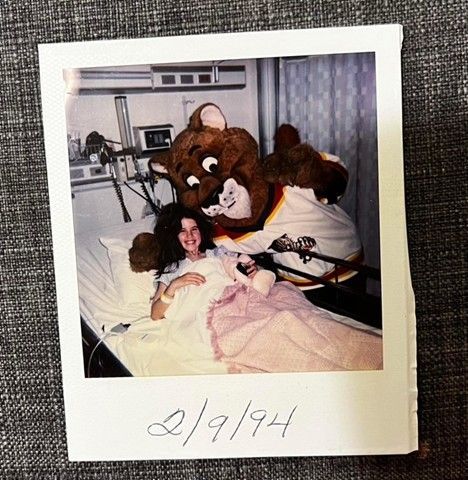
Author Mary Ann in hospital bed in 1994 smiling with team mascot
By Mary Ann Chamberlain March 30, 2026
After years of hiding her type 1 diabetes, one woman shares how community, advocacy, and lived experience transformed her journey with T1D.
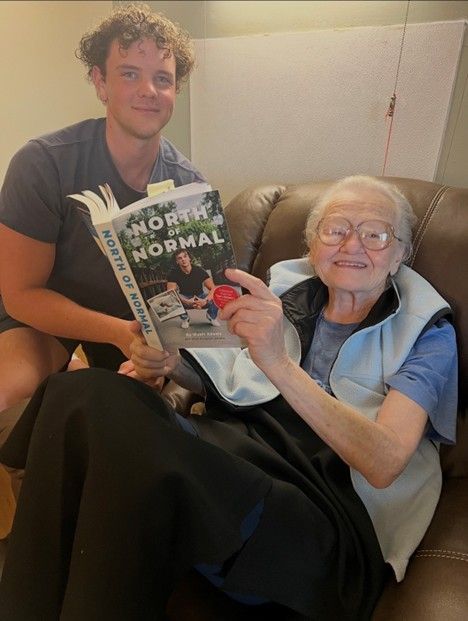
Author Wyatt Adams and his grandmother reading his book North of Normal
By Wyatt Adams March 30, 2026
A grandson shares his and his grandmother's journeys with type 1 diabetes, revealing how care, technology, and support have changed across generations.
Young girl with T1D in hospital gown and room
By Aaron Rea, Physician and Parent of a T1D March 30, 2026
A physician and father shares his daughter’s 15-year journey with type 1 diabetes, from diagnosis to independence, highlighting resilience, care, and support.