The Silver Linings of Type 1 Diabetes
Graham Daugherty • May 3, 2018
By Megan Aikman, wife of a type 1 and mother of 2 type 1s
Originally posted on Beyond the Syringe
Sometimes it’s easy to get caught up in the painful parts of diabetes, but really it’s not all about needles, ketones, carbs, and sleepless nights. Really wonderful things come from having diabetes. There is more laughter than tears in our house, and the scary stuff really only takes up a small portion of our days. We asked each other “what’s something good that has happened because of diabetes”, and here’s what we all said:
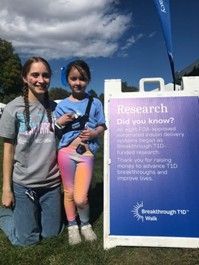
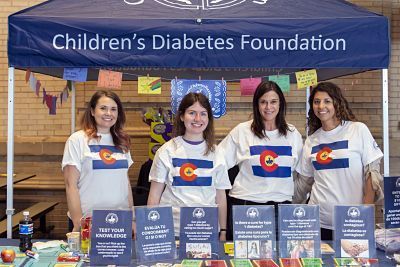
Walker: Walker is our social butterfly. She loves parties, people, and talking. Without hesitation, Walker said she loves all the events we get to do with the Children’s Diabetes Foundation and the American Diabetes Association. We are lucky enough to be involved with both organizations, and to live in an area that supports children and families living with diabetes. When Marshall was diagnosed back in the early 90’s in a small town in Maine he felt quite alone. There was no support system for him, he was the only kid at school with type 1, and he certainly didn’t feel as though he had a ticket to a members only club. There was no internet so the prospect of seeking out an online support wasn’t an option either. We are lucky to have a community to lean on and support, especially those of us in the family who revel in such extroverted activities.
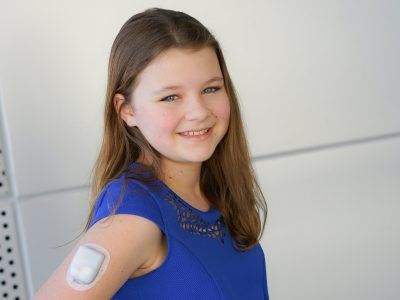
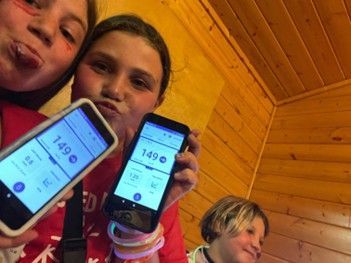
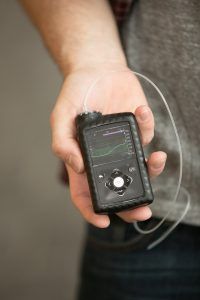
Marshall: Marshall has been subjected to numerous treatment plans: daily injections, glucose tests that take substantial amounts of time and blood samples, mixing of insulin, schedules and diets to try to manage highs and lows, and the constant stress of this chronic disease over 28 years. His bright spot in diabetes is technology and the advancements in care. The pump he’s currently using communicates with his Continuous Glucose Monitor. We call this a “closed loop,” since the CGM tells the pump whether the glucose levels are high or low, and the pump automatically adjusts the drip of insulin to bring him back to “normal.” By no means does this mean Marshall is worry free, nor does it mean he never goes high or low, but it’s a start. He still has to count the carbs and test his blood and deal with needles, but he also has the help of a mini computer on his hip and arm that work 24/7 to keep him safe. For now, and for where he’s been, this is a wonderful thing for Marshall and his diabetes care.
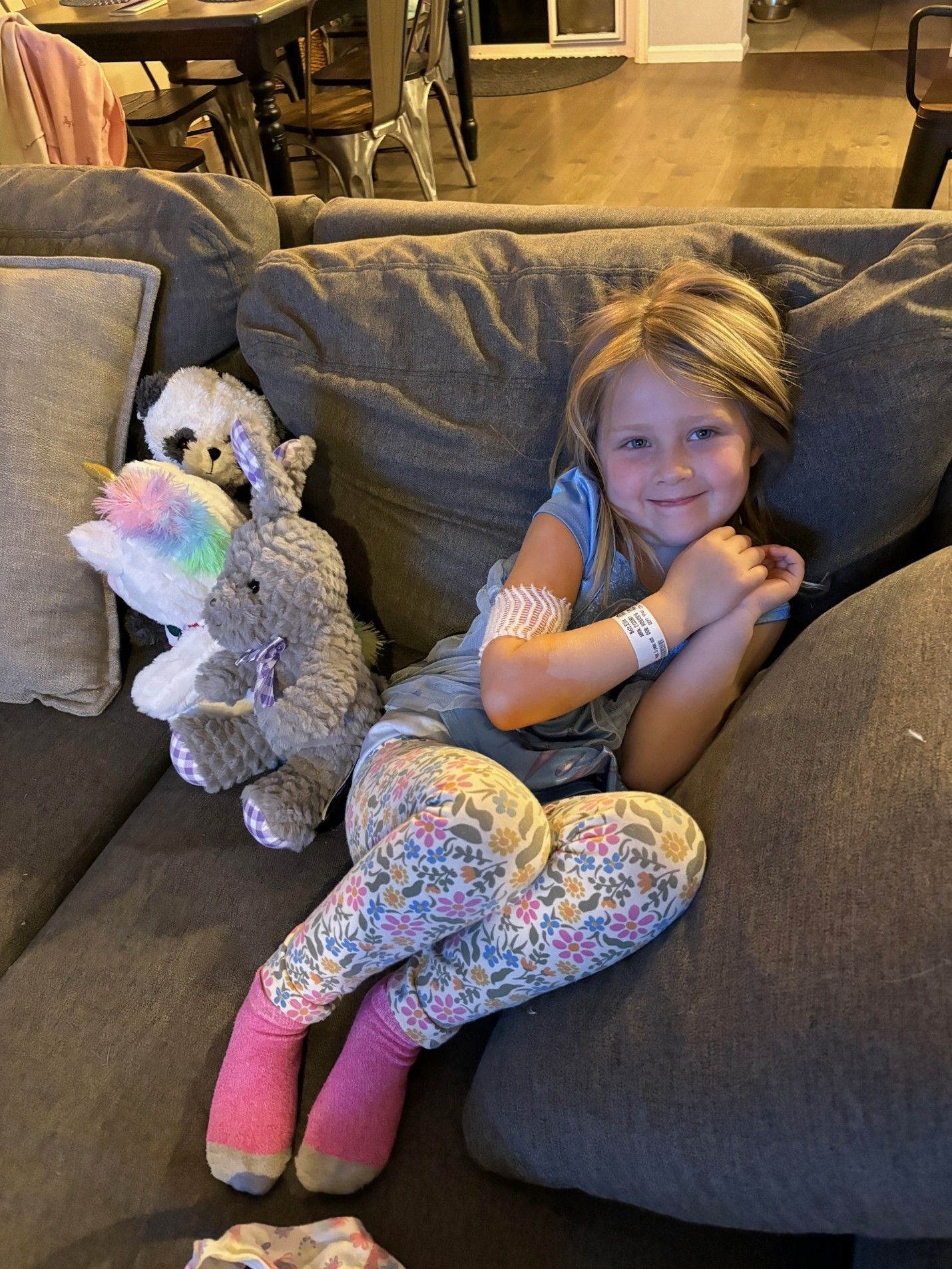
Ollie: I was surprised by Ollie’s answer. Ollie rarely complains about diabetes or fights any finger pokes or site changes. In no way does this mean they come easy, he just knows it’s something that needs to be done. It just is. When I asked Ollie “what’s something good about having diabetes,” he looked me squarely in the eyes and said, “I’m braver because of it.” I nearly choked on my coffee when he said it. I mean, it’s true, and I think it every day about my family, but for him to say it so matter-of-factly knocked me on my butt. I’m so proud of him and the lessons he’s learning, and the grace with which he tackles this journey of his. I don’t think he’s braver because of diabetes, but I believe diabetes has helped him realize it was within him all along. That’s certainly something good, especially at the age of ten.
Megan: Because of diabetes I have learned that I’m stronger than I think I am. I’ve always been easily overwhelmed by things, for as long as I can remember. I’ve always allowed the tiniest things to stress me out. Well, diabetes is far from a “tiny thing” and I’m handling it. The sun rises and the sun sets and I’ve made it through another day, all the while fixing meals, breaking up kid arguments, doing the laundry, changing the litter box, checking blood sugar, counting carbs, dosing insulin, and tending to dangerous lows and scary highs.
We weren’t given a choice in this, and I wish my family didn’t have to fight through it every day, but some really beautiful things come to light when we’re put in situations we might otherwise opt out of. The lessons my children are learning about themselves are priceless. The people we’ve met are some of the most wonderful friends we have in our lives. The gratitude Marshall feels for the care he’s receiving now, versus nearly 30 years ago, reverberates into all parts of his life. And all four of us know we’re in it together. I think our family is stronger because of diabetes. There’s nothing bad or scary about that.