Psychosocial Aspects of Pregnancy and Type 1 Diabetes

Graham Daugherty • September 26, 2018

By Lisa Meyers MSW, CDE
Social Worker, Barbara Davis Center Adult Clinic

Expecting a baby is exciting and joyful. For anyone, it can also bring stress and anxiety about the responsibility of carrying a new life. Women who have type 1 diabetes (T1D) can experience even greater anxiety and concern about the demands and risks associated with diabetes management and the health of their unborn child. Healthcare professionals play an important role in helping these women not only with managing the physical and medical needs of their diabetes, but with their emotional and psychological needs as well.

Pre-existing depression and other psychological conditions can be exacerbated by the physiological changes in pregnancy and by the psychological stress associated with managing diabetes during pregnancy. It also becomes harder to manage depression with restrictions on the use of certain medications. Women with T1D are at 50% greater risk for depression than those without diabetes. The increased demands for more perfect control of blood sugars, along with the responsibilities of a job, other children, the time required for additional doctor appointments, and additional costs that come with more medical care can be overwhelming and cause added emotional and psychological stress. This may include guilt over imperfect blood sugars, fear about their diabetes management and the effect this may have on baby’s health, and increased diabetes distress.

A woman is standing in a hallway wearing a black shirt and smiling.

The cost of diabetes related pregnancies can be another source of stress for women. Depending on insurance coverage it can mean copays for more visits, more labs, and extra supply orders. Technologies like insulin pumps and continuous glucose monitors are used now to reduce the risk for complications in the pregnancy and to give the woman more control over hypo/hyper glycemic events. Continuous glucose monitors can allay the fear and relieve the anxiety associated with the dramatic fluctuations of blood sugar. Although these technologies are helpful in managing diabetes through a pregnancy, the cost of these technologies can be prohibitive for some women, and others are faced with the stress of the extra expense in choosing to use technology during their pregnancy. (The Children’s Diabetes Foundation now has the Helping Little Hands Program to make sure financially at-risk women can receive the proper supplies, appointments, and technology they need to have a successful pregnancy with type 1 diabetes)

It is important to remember that diabetes is a family disease and the same stress and anxiety that occurs for the pregnant woman with type 1 diabetes occurs for their partners and other family members. Addressing these issues with partners and including them in the education and decision-making process with the team of providers encourages their confidence in having a successful pregnancy.
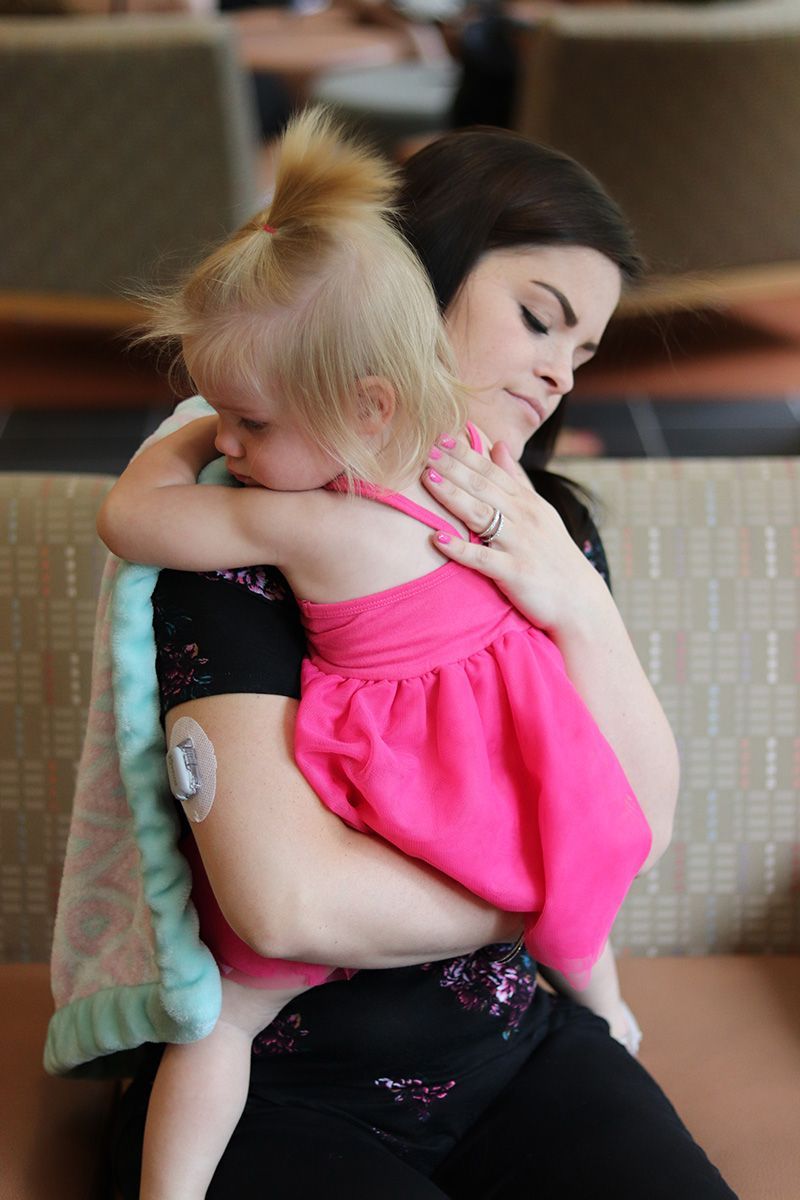
A woman is holding a little girl in her arms.

Overall, patient-centered care and collaboration between the team of providers and the patient promote healthier pregnancies for women with diabetes. Psychosocial support should be an integral part of care in their pregnancy. This will help to support and promote a healthier and more positive experience with pregnancy for women with diabetes.

The Children’s Diabetes Foundation is proud to sponsor the Helping Little Hands Program, which supports pregnant women with diabetes who lack the financial resources for diabetes technology and care, which are two crucial elements for the health and safety of mom and baby. Click here to learn more about this program.
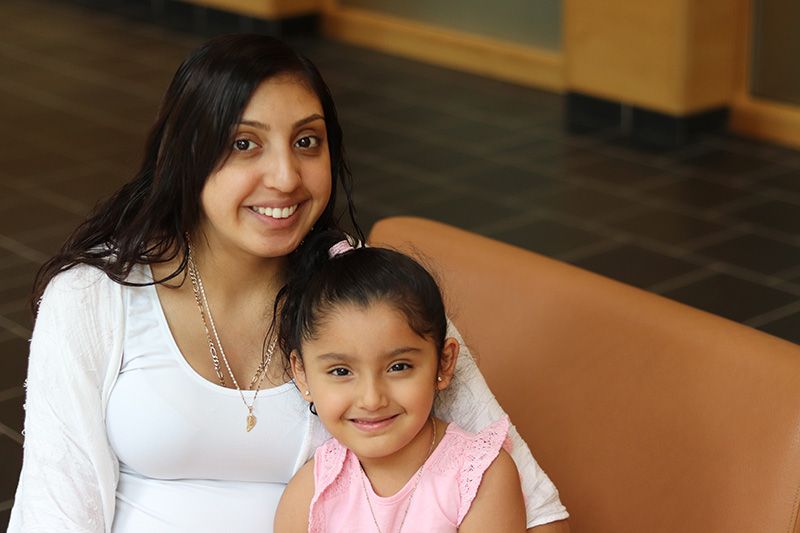
A woman and a little girl are sitting on a couch and smiling for the camera.
A woman is doing a split with the words if i can just inspire one person
By Sasha Amiscaray April 15, 2026
TL;DR After 15 years of living with type 1 diabetes, Sasha shares her journey from diagnosis and denial to acceptance, advocacy, and a career in healthcare. Through challenges like fear of injections, managing diabetes as an athlete, and navigating school and college, she discovered strength, community, and purpose. Her story shows that while diabetes is difficult, it can also shape identity, open doors, and lead to meaningful connections and opportunities.
A black and white photo of a person with an insulin pump on their stomach
By Dr. Holly O'Donnell April 3, 2026
Type 1 diabetes affects mental health in youth and families. Learn about risks like depression, anxiety, and distress, plus support options and when to seek help.
A young boy in a white sweater is standing next to a cabinet.
By R. Paul Wadwa, MD, Professor of Pediatrics at the BDC April 2, 2026
Type 1 diabetes is often misdiagnosed as flu, UTI, or viral illness. Learn key symptoms, DKA warning signs, and when to ask your doctor for testing to avoid delays.
Author and type 1  diabetic Madeline in a research lab
By Madeline VanOrman March 20, 2026
Follow one patient’s journey with type 1 diabetes from childhood diagnosis to college life, sharing challenges, independence, and finding support along the way.
A cartoon illustration of a white monster with horns waving.
By Cheryl Lebsock March 18, 2026
A parent shares how naming type 1 diabetes “Frank” and reframing it helped protect their child’s identity, improve mental health, and strengthen family support.
Three young type 1 girls with CGMs on their arms.
By CDF Staff March 18, 2026
Donate your Colorado state tax refund to the Children’s Diabetes Foundation. Learn how to use form DR 0104CH to support T1D patients and families.
Young girl with her blood glucose monitor and insulin pump
By Hali Broncucia, Research Scientist at the Barbara Davis Center for Diabetes March 16, 2026
Learn the three stages of type 1 diabetes and why early screening matters, including how detection can reduce DKA risk and delay onset with new therapies.
A group of people are posing for a picture in a living room.
By Stacy Robinson June 14, 2024
With Father’s Day just around the corner, I am thinking about my dad even more than I usually do. He was a special man who lived a remarkable, impactful life right up until the day he passed away at the age of 98, a little over a year and a half ago. He was a decorated World War II veteran, a bookie in Vegas during the Rat Pack era who married the love of his life between rounds of a prize fight, and who later went on to become a successful entrepreneur. Most importantly though, he was a devoted husband, father and grandfather.
A man and a woman are posing for a picture in a parking lot.
By Lindsay Klatt June 14, 2024
Author: Lindsay Klatt Being the dad of two daughters already has its highs and lows; having one of them (who admittedly was already a little feisty) diagnosed with type 1 diabetes makes him a saint. My wonderful dad navigated these challenges with such love and grace. As we approach Father’s Day and as I recently celebrated my 27th Diaversary, I reflect on the things he deserves to be thanked for. There are too many to count and no way to properly express gratitude for the additional struggles type 1 fathers face, but here’s a toast to a few of the things etched on my heart: Cheers to my dad who, when I was diagnosed, had the best balance of acknowledging the sadness of the event and being encouraging for the future. It made me feel seen to see him upset, and to see him determined. He has always maintained that balance I am so grateful for.