Pregnancy and Diabetes

Graham Daugherty • May 10, 2020

As part of Women’s Health Week, we take a look at the challenges and circumstances women face when living with type 1 diabetes.


by Sarit Polsky, MD, MPH
Originally published to 
DiabetesSisters.org October 2019

Pregnancy can be an exciting time for a woman and her family, but it can add extra layers of emotions and stress for women with diabetes. As pregnancies in women with pre-existing or new diabetes can be more complicated than pregnancies in women without diabetes, here are a few key messages:

1) In women who have diabetes already (pre-existing diabetes) or who are at high risk of developing diabetes during pregnancy (gestational diabetes), it is important to plan ahead. Women who do not want to become pregnant and who are sexually active should use accepted forms of contraception. Women should get pre-conception counseling from the right specialists: a diabetes provider (one who cares for women in pregnancy) and an obstetrician. If a woman has an advanced complication of diabetes already (like eye, kidney, or heart disease), then she should also get pre-conception counseling from the specialist who cares for the complication.
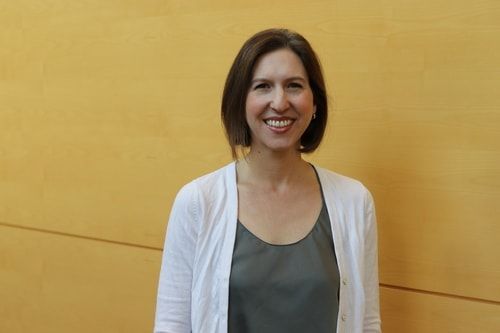
A woman in a white cardigan is smiling in front of a yellow wall.

Sarit Polsky, MD, MPH

A woman in a white shirt is holding a row of black and white photos

Pre-conception counseling visits include testing for certain diseases (like rubella, syphilis, etc.), discussion about medications that may need to be changed prior to conceiving, and information in this article. Optimally, women with diabetes should have a hemoglobin A1C level of 6.5% or less prior to conception, if they can achieve it without significant hypoglycemia (low blood sugars).

2) After conception, it is critical to obtain and maintain near-normal to normal blood glucose levels. For women with pre-existing diabetes, we recommend having an A1C of less than 6% as the pregnancy progresses. Women should establish care with providers quickly after a confirmed positive pregnancy test. For women with pre-existing diabetes, a high-risk obstetrician is recommended.

For women who were already using insulin or who will need to start insulin during pregnancy, there are shifts in insulin requirements over the course of the pregnancy. Women tend to be sensitive to insulin in the 1st trimester, increasingly resistant to insulin in the 2nd and 3rd trimesters, then sensitive again right after delivery. For women with gestational diabetes, glucose-lowering therapy includes diet therapy, oral medications, and/or insulin.

Women with diabetes generally have more obstetric visits than women who do not have diabetes. They have frequent ultrasound examinations and fetal non-stress testing. Some women may also be started on aspirin therapy to lower the risk of developing preeclampsia (a disorder with high blood pressure in pregnancy and damage to another organ, like the kidneys or liver). It’s important to work with the obstetric and diabetes teams to ensure that all the proper screening and monitoring is performed.

3) The risks to the mother and baby can be higher in pregnant women with diabetes compared to those without diabetes. These risks include fetal loss (miscarriage, stillbirth), abnormal fetal growth (babies born too small or too large for their gestational age), birth defects, high blood pressure conditions for the mother (e.g., preeclampsia), pre-term delivery (delivery before 37 weeks), cesarean delivery, and for the baby to be born with low blood sugars, low oxygen, and trouble breathing. There are many more possible risks as well. Tighter glucose targets are recommended in order to reduce these risks.

4) Women should be monitoring for new development of and progression of diabetes complications. Pregnancy can put a strain on a woman’s eyes, kidneys, and heart. Therefore, these and other organ systems should be monitored throughout the pregnancy.

Pregnancies associated with diabetes require more monitoring and are at higher risk than those without diabetes. It’s important to plan ahead, work with experienced providers, and pay closer attention to managing glucose levels and watching out for possible complications.
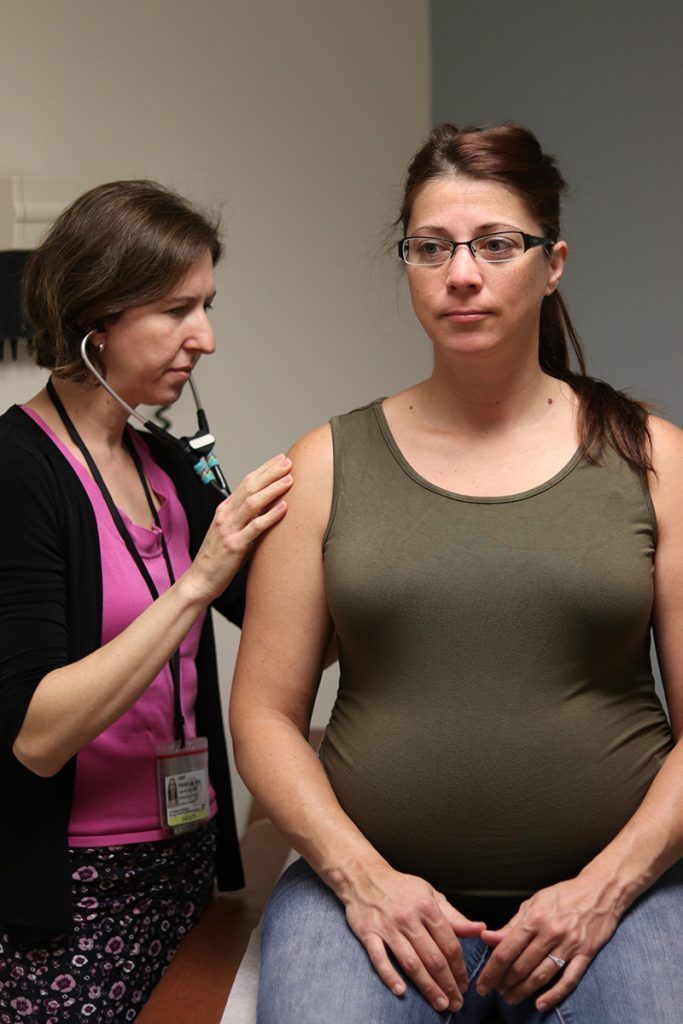
A pregnant woman is being examined by a doctor with a stethoscope
A young boy in a white sweater is standing next to a cabinet.
By R. Paul Wadwa, MD, Professor of Pediatrics at the BDC April 2, 2026
Type 1 diabetes is often misdiagnosed as flu, UTI, or viral illness. Learn key symptoms, DKA warning signs, and when to ask your doctor for testing to avoid delays.
Three young type 1 girls with CGMs on their arms.
By CDF Staff March 18, 2026
Donate your Colorado state tax refund to the Children’s Diabetes Foundation. Learn how to use form DR 0104CH to support T1D patients and families.
A group of people are posing for a picture in a living room.
By Stacy Robinson June 14, 2024
With Father’s Day just around the corner, I am thinking about my dad even more than I usually do. He was a special man who lived a remarkable, impactful life right up until the day he passed away at the age of 98, a little over a year and a half ago. He was a decorated World War II veteran, a bookie in Vegas during the Rat Pack era who married the love of his life between rounds of a prize fight, and who later went on to become a successful entrepreneur. Most importantly though, he was a devoted husband, father and grandfather.
A man and a woman are posing for a picture in a parking lot.
By Lindsay Klatt June 14, 2024
Author: Lindsay Klatt Being the dad of two daughters already has its highs and lows; having one of them (who admittedly was already a little feisty) diagnosed with type 1 diabetes makes him a saint. My wonderful dad navigated these challenges with such love and grace. As we approach Father’s Day and as I recently celebrated my 27th Diaversary, I reflect on the things he deserves to be thanked for. There are too many to count and no way to properly express gratitude for the additional struggles type 1 fathers face, but here’s a toast to a few of the things etched on my heart: Cheers to my dad who, when I was diagnosed, had the best balance of acknowledging the sadness of the event and being encouraging for the future. It made me feel seen to see him upset, and to see him determined. He has always maintained that balance I am so grateful for.
T1D patient Dylan Archer on race track.
By Dylan Archer March 8, 2024
Diagnosed with type 1 diabetes at age 8, Dylan refused to give up racing. Read his inspiring journey of resilience, technology, and championship success with T1D.
Two girl scouts are standing next to each other in a room filled with boxes.
By Graham Daugherty January 9, 2024
By: Sarah Hathaway On October 10th, 2022 I earned my Life rank in Scouts BSA and began focusing on what was once a faraway goal: Eagle Scout. I had some ideas for my project and I knew I wanted to do something that means a lot to me and benefits as many people as possible; this led me to think about the Children’s Diabetes Foundation. I am an advocate for the organization and I know CDF has made an impact on others just like me so I was hoping I could come up with a plan to help families affected by T1D. I reached out to the Community Engagement Manager, Sydney. I believe that she was really confused and might not have heard about Eagle Projects before so she asked all about what I was looking to do and we talked about different options for projects. I asked her about the newly diagnosed onset bags for people with T1D that I remembered receiving from CDF when I was diagnosed in 2021. This was last June and we were both volunteering at the T1D Strong soccer camp. As camp went on we talked a lot and I offered some more ideas and the plan started coming together. I started to talk to diabetes-related companies to get additional informational materials to put in the bags. I got in contact with Dino from Omnipod and he was very helpful. He sent me a lot of informational packets, games, and even fake Omnipods for new patients to try before spending a lot of money on new technology. Unfortunately, other companies and organizations were not as responsive but there was already a lot of helpful stuff from CDF to go into the bags. I also did a fundraiser before my Eagle Project workday. I set a goal to raise money to put a restaurant gift card in each new onset bag because I remember going to lunch together as a family when I was discharged from the hospital. I knew that families could use that gift card and not have to worry about where to go. As I was fundraising, I found out that the Scouts BSA district person that I was working with, Pat, was associated with KFC. Pat put me in contact with the Regional Manager of KFC and through this contact, KFC donated 100 gift cards for the bags. Finally, on November 11th, 2023, I was able to carry out my project. I had been planning this for months and I was both nervous and excited. Sydney was kind enough to be at the CDF office on a day that she does not normally work and was so supportive. We set up the office to pack the bags and then people started to show up to help. We were able to do the project and even though we were only going to make 100 bags, the group ended up filling about 150 bags in less than an hour! Sydney and I then did a community information talk to over 30 people about our experiences with T1D and answered a lot of questions. It was awesome to look out in the audience at my Scout friends, neighbors, teachers, and family.
Type 1 Diabetes teenager on soccer field
By Gracie Lambrecht January 9, 2024
Learn about a teenage T1D soccer player. Discover tips for managing blood sugar, using CGM and insulin pumps, and staying game-ready as an athlete with T1D.
A picture of a mountain with a white circle in the middle.
By Graham Daugherty July 17, 2023
Eli Lilly has a ripple effect on making insulin more cost effective for T1Ds. Every day patients make critical decisions in rationing their insulin and we are hopeful this will help stop families from having to make such sacrifices. Thank you to Eli Lilly, Novo Nordisk, Sanofi! Watch the interview with Dr. Satish Garg: Diabetes doctor says it’s “high time” insulin prices are lowered Read more here:
A picture of a mountain with a white circle in the middle.
By Graham Daugherty July 17, 2023
Congratulations Dr. Satish Garg for being named the winner of the ATTD Lilly 2023 Insulin Centennial Award. This prestigious award is given to doctors who have made significant contributions to diabetes treatment. Dr. Garg has been an international leader for insulin therapy in both type 1 and type 2 diabetes, with expertise in clinical trials and methods of insulin delivery. Dr. Garg joined the BDC in 1988 and founded the adult clinic as senior faculty in 1992. He has also served as the director of the ATDC Keystone Diabetes conference since 2005