Mattie Peck, Diabetic Blogger
Graham Daugherty • July 25, 2015
Hello readers! Welcome to the Children’s Diabetes Foundation Blog! I am so excited to get this started so that you can meet the incredible people involved with the Children’s Diabetes Foundation (CDF) and the Barbara Davis Center for Diabetes (BDC). But before we get there, I want you to know a little about me, the author. SO here are some quick facts:
Name: Mattie Peck
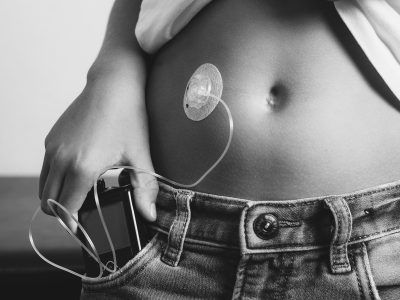
Age: 23nDiabetic since: 1999nMy blood sugar right now: 116nMost recent A1c: 6.9nWearing: a Medtronic pump and CGM (that I always call “my shell”)
Work for: Children’s Diabetes Foundation
Interested in: informing you about CDF and the BDC
Why? Because there are a lot of super cool patients, families, and doctors that you should all meet! Better yet, they have some great stories and we can all learn from each other.
Now let me fill in the details… Before I was diagnosed, I would be playing with my friends, then I’d stop, throw up, and then go back to playing and feeling like a normal kid (this happened multiple times). My lips were chapped constantly. I was always at the nurse’s office because I didn’t feel good for one reason or another. But otherwise, I was your typical happy kid who liked to sing at the top of my lungs and run around my house in my bathing suit (if you were wondering, no, we did not have a pool).
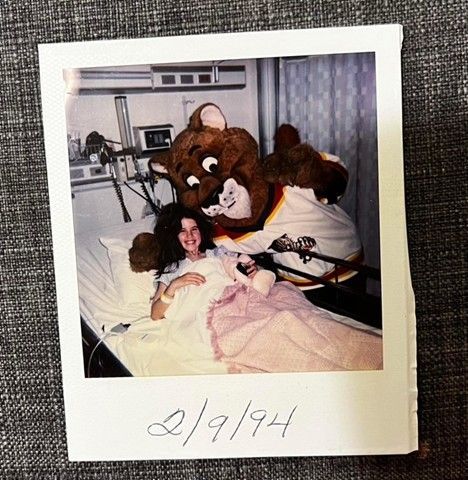
Then things escalated. I suddenly needed to drink EVERYTHING I could get my hands on. That often meant I was drinking juice, milk, or soda (you can see where this is going). So after a weekend of needing to go to the bathroom constantly, I went to the doctor. Then the hospital. I went in with a blood sugar so high that the doctors couldn’t figure out how I was managing to stay conscious.
But three days later, I left the hospital with terrified parents, lots of informational books, a weird diet that I never agreed to, and a lack of understanding about the severity of the disease.
But upon my diagnosis, the doctors gave me a gift! They made sure that I would give myself insulin shots before leaving the hospital. This was the absolute best thing they could have done for me because it gave me a level of independence that I could not appreciate more. Interjection: I cannot emphasis enough how amazing it was to take care of myself, especially as a child. That’s my biggest piece of advice for every diabetic out there, no matter how old or young. Take care of yourself, administer your own needles, know what you’re doing, and don’t just let others figure it out for you. It will absolutely be worth it. End interjection.
Some results of my diagnosis:
- The school nurses and I became BFFLs.
- I got to carry around candy all the time. If that’s not a win, I don’t know what is.
- I got pretty purses, a benefit my parents’ thought would make me feel better about carrying medical supplies around. They were right.
- My brother, who used to faint when he saw a needle, got over that really quickly (mostly).
But not everything was sunshine and rainbows. I was in the hospital multiple times a year from diabetic ketoacidosis and I went unconscious twice from low blood sugars. On top of that, I had one seizure while in the car with my mom. She had to pull over, administer the glucagon kit, and call 911. My mom is a literally a lifesaver and you’re welcome to call her Super Mom.
As you can tell, diabetes has been cumbersome for my family and friends. My mom basically stopped sleeping so she could check on me throughout the night, my parents drove me to countless appointments, my brothers helped me through low blood sugars, and my friends and boyfriend learned my symptoms and how to take care of me if an emergency were to arise.
I had an incredible support system and I don’t think I will ever be able to adequately show them how thankful I am for all they have done.nnAside from my amazing loved ones, there are some great things about having this disease too. I have worn a pump for the last 15 years and let’s face it, it’s a great conversation starter. If anyone’s wondering, no, I do not have a pager. Diabetes has given me a chance to educate others. I love when people want to learn about the disease and how I manage it. Of course there are people who think they can suddenly solve all my blood sugar problems, but their comments allow me to educate them on the intricacies of diabetes care. And if they persist, I do not hesitate to throw a snarky look and/or comment their way.nnNow let’s talk about the reason for this whole blog business. I am ecstatic to be in this position where I can continue to educate people about the diabetes world.

I work at the Children’s Diabetes Foundation which is solely dedicated to raising funds for diabetes care, awareness, and research. Our funds support the Barbara Davis Center, where over 6,000 children and adults are cared for physically, emotionally, and financially. They are one of the leading centers for research in the world and when you read these stories, you’ll understand why. When I moved to Denver, I quickly realized that the BDC is doing fantastic things and it’s about time the world learned about it.nnThrough this blog, you’ll hear the personal stories of BDC patients, parents, doctors, social workers, dieticians, and anyone else I can get to sign a consent form. I truly hope you enjoy hearing their stories and can learn something from every single one. Happy reading!