Hope Anchors the Soul
Graham Daugherty • November 17, 2019
During the month of November, the world will turn blue. You may not know why you’ll see the capital building lit up with blue lights or a blue circle strategically placed in photos on social media, but November is World Diabetes Awareness month. November gives us the opportunity to boldly step out and help others become aware of this life-threatening diagnosis.
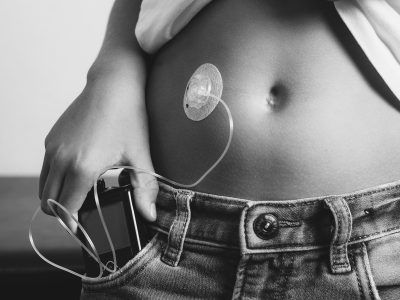
Since 2015, I have walked in shoes I never thought I would have to wear. I am a mom of a type one diabetic child. It’s been almost 4 years since diagnosis and my heart still sinks when I think deeply about the battle of a constant life changing autoimmune disease. However, we fight together… and together we have hope. With hope, we have opportunities to change the perspective of diabetes; with hope, we have the courage to help others gain knowledge about T1D and confidence to bring enough education to possibly save a life. Hope anchors the soul. Every year, I use November as an opportunity to walk among our community to make a difference. I challenge you to join me.
Our Story
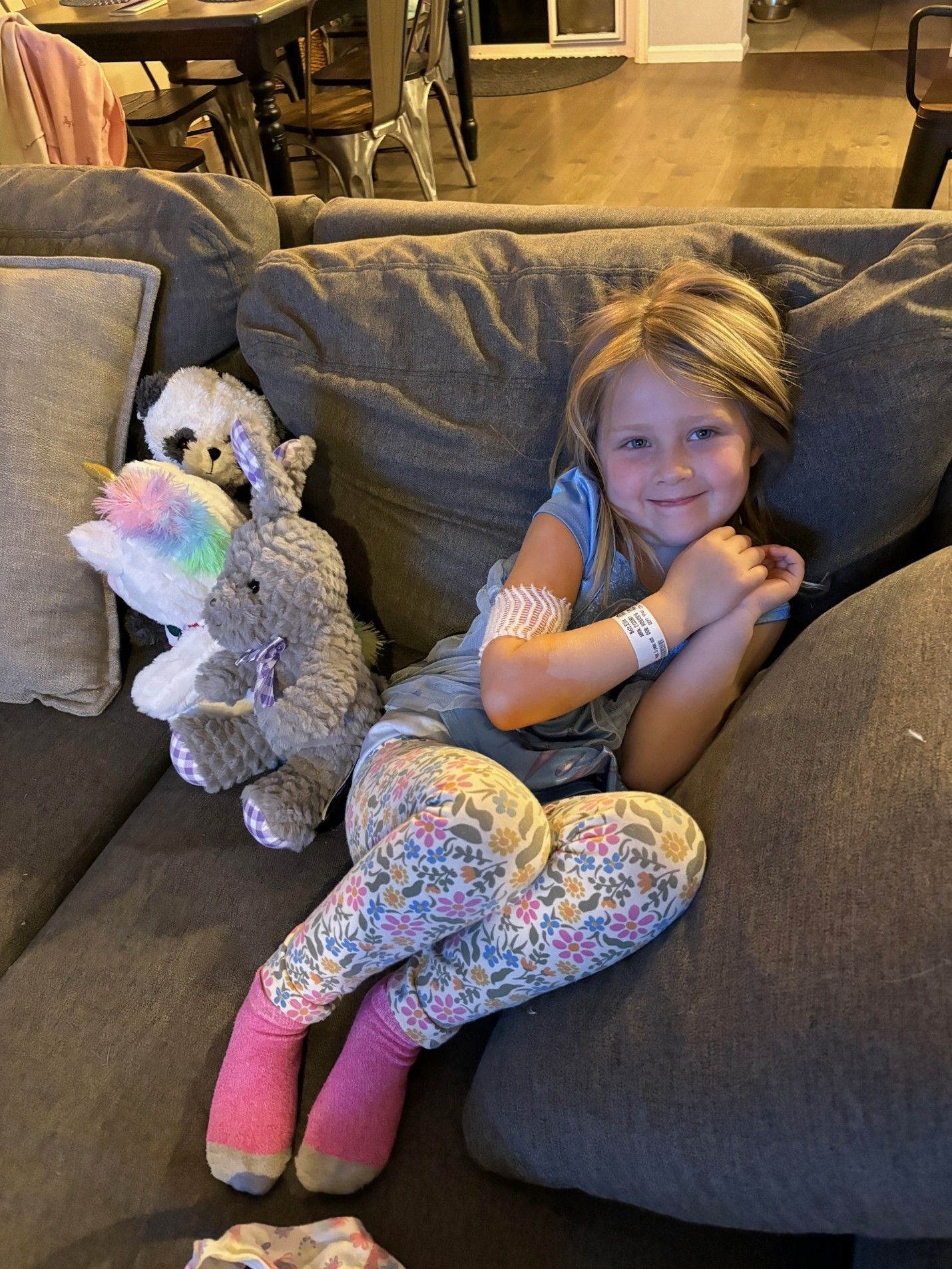
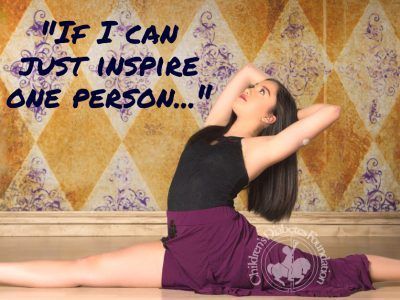
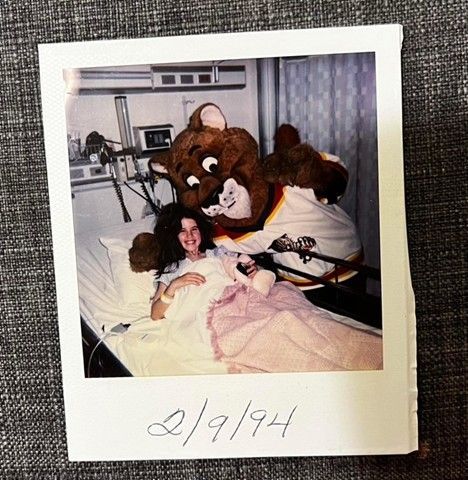
Corinne was diagnosed with type one diabetes at the age of 9 years old. She was fighting what we thought was a never-ending virus. She became a regular at the doctor office and had been put on several different medicines to help correct what was happening to her body. However, after several months, nothing was changing, and all medication was stopped. A second opinion demanded extensive blood work. However, the diagnosis remained the same: possible virus. It wasn’t until Corinne called me into the shower to help her brush out some tangles in her long hair, when I saw her withering body hanging onto her skeletal system for dear life. My daughter was dying before my eyes, yet I felt helpless. Early the next morning, I called the pediatrician office and demanded an appointment. However, due to the flu season hitting our area, I was ridiculously scheduled for an appointment two weeks out. Before I was given the opportunity to exercise my freedom of speech, I glanced over to my daughter who was sitting on the couch with sunken dark eyes, barely able to breathe. I quickly hung up the phone and rushed her to the nearest emergency facility, which was an Urgent Care. It was within 5 minutes from entering the building, a urine glucose test was performed with immediate results! Type one diabetes was confirmed and an escort to the nearest hospital resulted in treatment within two hours! Her life was saved on December 23rd, 2015.
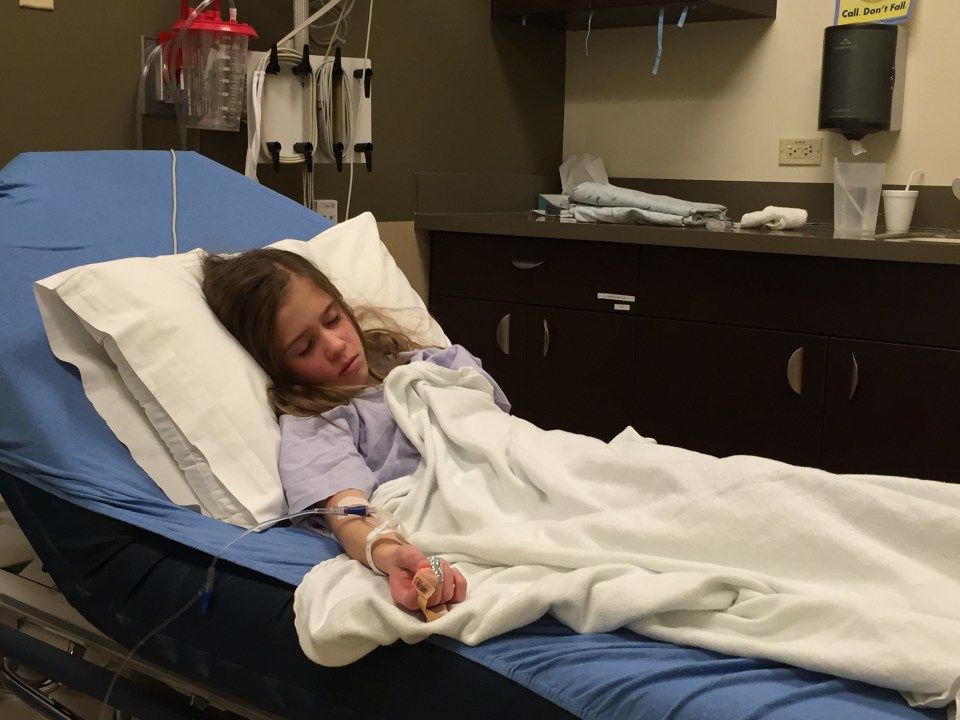
As with all, our family dynamics were immediately changed and almost paralyzed because of this diagnosis. We had no other choice than to cling to the fundamentals of our strength. We gathered our arrows of faith and bows of prayer and was able to gain courage as we learned to walked into the daily battle of type one diabetes. For the next few months, I watched as my hope was restored. I exhausted my days with learning all I could about this autoimmune disease and started my quest to educate others. Knowledge is power!
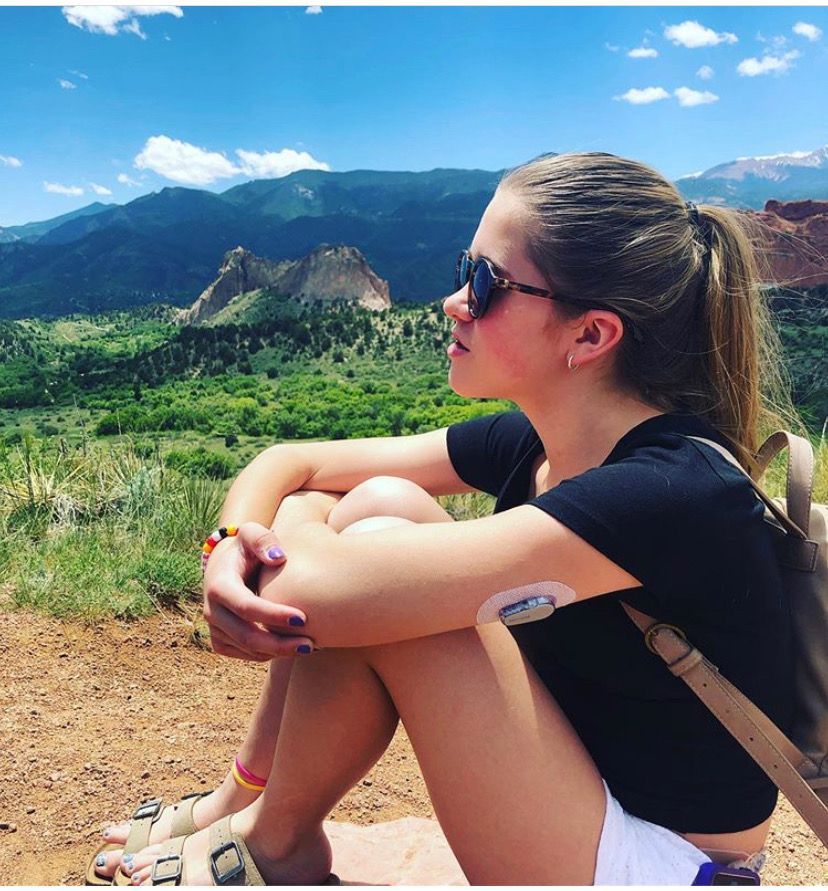
We returned to the Urgent Care a few months later with a message. If it wasn’t for the doctor on call that one morning, my daughter would not have had the opportunity to color the picture that now hangs on his wall. He remembered and knew what test to perform and what symptoms to ask about when we first entered his exam room. He remembered and knew how to differentiate between the flu virus and a deadly disease. Seems simple enough, but type one diabetes is often misdiagnosed. Doctors need to be reminded of this fact.
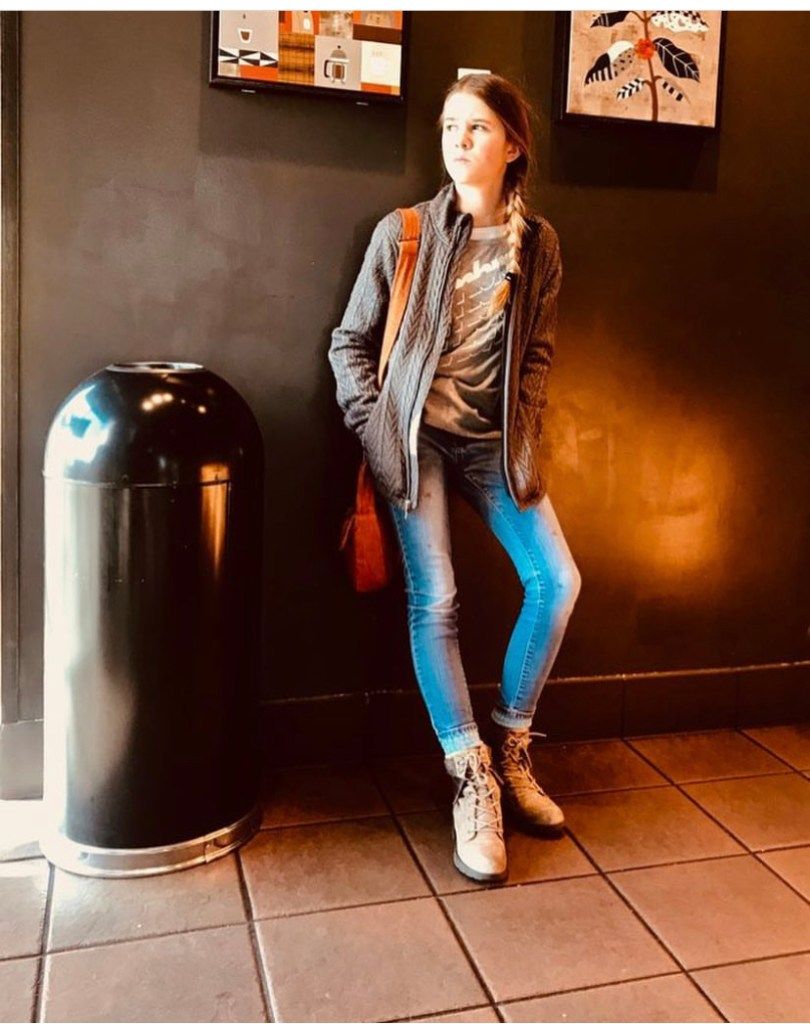
November is World Diabetes Awareness month. Type one diabetes plays no favorites when it comes to its attack against the body. It can be diagnosed in children and adults alike, with no current cure. No matter age, gender; vaccinated and non-vaccinated; gluten free, dairy free, vegan or wild to the world – it makes no difference. We are in this fight together! Without the right diagnoses through a simple blood/urine glucose test, many will lose their lives to a misdiagnosis.
Will you help turn the world blue by stepping into battle and engaging the community through education? This year I will be placing power within the hands of youth leaders by educating the symptomatic signs of T1D; as well as continuing to enter the urgent care offices and supermarket clinics to refresh their memory of how the T1D mimic the flu; encouraging a standard practice of a simple finger poke/urine test. We can save lives by arming ourselves for battle with knowledge, against autoimmune diseases. Together we can make a difference. Will you help me turn the world blue this November?