Diabetes and Depression

Graham Daugherty • March 2, 2016

It’s unfortunate to say that diabetes and depression go hand in hand…but they do. Depression is more common in children and adults with diabetes than in the general population and it is certainly something to look out for. People with diabetes find themselves asking questions like “why me?” and “what could I have done differently to not get type 1 diabetes?” Well, it’s not your fault, but just because you know that, doesn’t mean that you’re ready to believe it. This is where depression can get in the way.


Symptoms of depression include:

  • Change in sleep habits
  • Change in appetite or weight
  • Feeling guilty
  • Decreased energy
  • Irritability, sadness, or feeling hopeless
  • Decreased concentration, decline in school or work performance
  • Lack of pleasure in things previously enjoyed
  • No longer engaging in social activities

Depression can affect diabetes care in these ways:

  • High blood sugars/HbA1c levels
  • Irritability around doing blood sugars or taking insulin
  • Not caring about or having the energy to do daily diabetes tasks

If your diabetes has caused you to be depressed, it’s important to understand a few things. First, you’re not alone. Many people struggle to mentally overcome this disease and sometimes let it beat them down. You are not alone in this diabetes-depression world and your feelings towards this disease are understandable. Second, once you recognize that you are depressed, it’s time to seek help. Maybe that just means you talk to a friend for advice or to brighten your day. Or maybe it’s time for a doctor’s visit. Either way, your blood sugars and mental health are suffering if you don’t try to get out of this depression.

A little girl wearing glasses and a purple shirt is looking down.

If depression is left untreated and your diabetes management worsens, it can lead to long-term complications, such as blindness, amputation, kidney failure, stroke, and heart disease. If you are depressed and have a hard time reading that list of complications, it’s time to seek professional help from a behavioral health-care provider who can provide counseling and/or medications as needed. Your primary care physician or diabetes care team can provide recommendations and referrals for a behavioral health-care provider.

If you are living with depression, don’t just read this and move on with your day. Seek the help you need for a happier and healthier future.


Smiling young girl on couch with bandage on arm and hospital bracelet on wrist
By Kimberly Belz, mother of two daughters, one with T1D May 5, 2026
Learn how early screening, TrialNet research, and Tzield treatment helped delay one child’s type 1 diabetes diagnosis and insulin dependence.
T1D camper Mia and her friend at camp with matching blood sugar levels on their phones
By Lauren Behm, Parent of T1D Camper, Mia May 4, 2026
Learn how overnight diabetes camp helps children with type 1 diabetes build confidence, independence, friendships, and lifelong support.
A small vial of insulin and other diabetes treatment tools on a table.
By Dr. Paul Wadwa, MD April 24, 2026
Learn the key differences between type 1 and type 2 diabetes, including causes, symptoms, diagnosis, and treatment. Understand how to recognize misdiagnosis.
A woman is doing a split with the words if i can just inspire one person
By Sasha Amiscaray April 15, 2026
TL;DR After 15 years of living with type 1 diabetes, Sasha shares her journey from diagnosis and denial to acceptance, advocacy, and a career in healthcare. Through challenges like fear of injections, managing diabetes as an athlete, and navigating school and college, she discovered strength, community, and purpose. Her story shows that while diabetes is difficult, it can also shape identity, open doors, and lead to meaningful connections and opportunities.
A black and white photo of a person with an insulin pump on their stomach
By Dr. Holly O'Donnell April 3, 2026
Type 1 diabetes affects mental health in youth and families. Learn about risks like depression, anxiety, and distress, plus support options and when to seek help.
A young boy in a white sweater is standing next to a cabinet.
By R. Paul Wadwa, MD, Professor of Pediatrics at the BDC April 2, 2026
Type 1 diabetes is often misdiagnosed as flu, UTI, or viral illness. Learn key symptoms, DKA warning signs, and when to ask your doctor for testing to avoid delays.
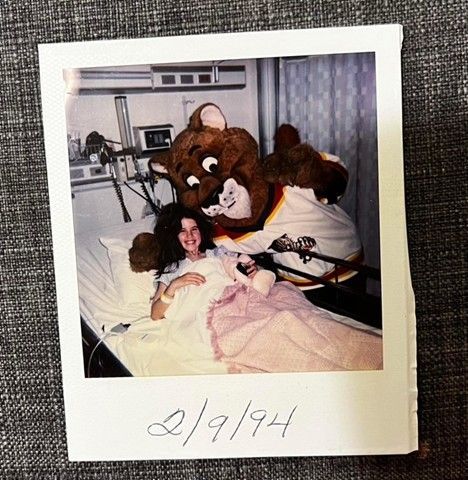
Author Mary Ann in hospital bed in 1994 smiling with team mascot
By Mary Ann Chamberlain March 30, 2026
After years of hiding her type 1 diabetes, one woman shares how community, advocacy, and lived experience transformed her journey with T1D.
Author Wyatt Adams and his grandmother reading his book North of Normal
By Wyatt Adams March 30, 2026
A grandson shares his and his grandmother's journeys with type 1 diabetes, revealing how care, technology, and support have changed across generations.
Young girl with T1D in hospital gown and room
By Aaron Rea, Physician and Parent of a T1D March 30, 2026
A physician and father shares his daughter’s 15-year journey with type 1 diabetes, from diagnosis to independence, highlighting resilience, care, and support.