Type 1 Diabetes Symptoms in Children: A Grandparent’s Story of Diagnosis, Resilience, and Hope
Stephanie Degraff Bender • September 10, 2015
TL;DR
When Cade began having unusual symptoms like frequent accidents, his family quickly realized something was wrong. A visit to the pediatrician revealed dangerously high blood sugar and a Type 1 diabetes diagnosis. This story highlights the early warning signs of T1D in children, the emotional impact on families, and how education and support from the Barbara Davis Center for Diabetes helped them adapt, grow, and ultimately thrive.
Updated: April 2, 2026
Early Signs of Type 1 Diabetes in Children Parents Shouldn’t Ignore
When my son Billy called me, I couldn’t possibly have anticipated what the events of the next few days and weeks would be. He shared that Cade (my grandson) had the embarrassing experience of wetting his pants that day while he was at school. While having an accident in kindergarten was not unusual for many children in that age group, it was very unusual for Cade.
The discussion that ensued involved all the typical questions like, “do you think he may have a bladder infection?” and included my reassurances that this was probably an isolated event. He went on to say that it had happened the day before as well, which obviously raised a red flag in my mind. As a former nurse, I suggested that the pediatrician be given a call if any future accidents occurred.
When Common Symptoms Point to Something More Serious
It was Halloween, and I was going to accompany my grandchildren, Cade and his sister Kendall, on their trick-or-treating adventure that evening. Of all holidays, it just happened to be the day that sugar flows freely through the veins of children delighting in the treats they had so gleefully collected in their brightly decorated bags. It was supposed to be a night of fun and laughter. However, although we didn’t travel far from home, yet another accident happened.
It became clear that something was wrong. Because it was evening, the call to the pediatrician would have to wait until the next morning. But the thoughts and fears of a significant medical issue became the topic of conversation after Cade had gone to bed. While continuing to reassure my son, I knew that this could be an indication of type 1 diabetes (formerly known as juvenile diabetes). That night I lived in my own denial. This simply could not be happening to my family!
The Moment of Diagnosis: High Blood Sugar and Hospitalization
Early the next morning Cade’s pediatrician was called. He was seen immediately, based on the report of his situation. Next, the call came from my son as he was reeling from the news that Cade’s blood sugar level was 586! He had been instructed to take Cade to the hospital immediately, and I headed there to meet them. Upon entering Cade’s hospital room and seeing the IV dripping into his little arm, I struggled to find (much less speak) words of comfort. The shared shock, fear and disbelief were palpable as I crossed the hospital room to hug my grandson and reassure him that everything would be okay. The words we choose to calm and comfort someone we love are interesting, especially when we really don’t believe them.
The Emotional Impact of a Type 1 Diabetes Diagnosis on Families
The journey that began for Cade that day was life-changing for all of us. His pediatrician advised that Cade be seen at the Barbara Davis Center in Denver, after he was stabilized. Phone calls, tears, appointments and uncertainty filled the next few weeks as we all were forced into a situation that would have a life-long impact on a 5-year-old child. It seemed unfair and surreal. But it was real and we rallied. We came together as a family to support Cade and shore each other up. We listened to each other’s fears while we held each other through our tears.
The journey continued with reassurance and education for all of us from the Barbara Davis Center’s staff. They were amazing and nothing short of a godsend! As a family we learned about the medical facts as well as the psychological impact that type 1 diabetes delivers. The information didn’t just pertain to the ‘identified patient,’ it applied to all of us. Classes for family members were made available, and they ended with Q and A sessions encouraging everyone to ask as many questions as they had. I began to believe that my initial words of reassurance to Cade at the time he was diagnosed were true: everything would be okay.
Learning to Manage Type 1 Diabetes as a Family
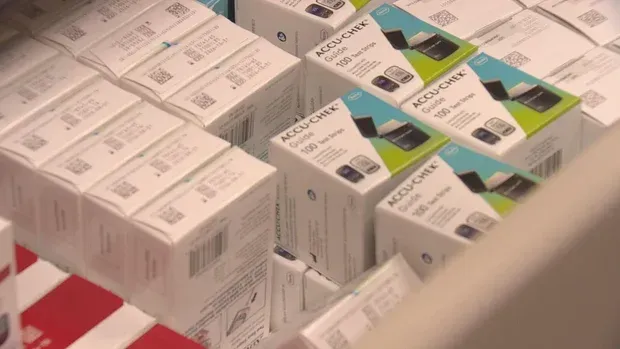
As he moved along, Cade’s challenges included getting used to countless needles. Checking blood sugar levels and then injecting the necessary insulin required a huge adjustment. It was a test for all of us. Soon after Cade was diagnosed, all my efforts to present a compelling argument (to a 5-year-old!), trying to convince him that needles didn’t hurt THAT much, were falling on deaf ears. My adult, persuasive attempt was a miserable failure.
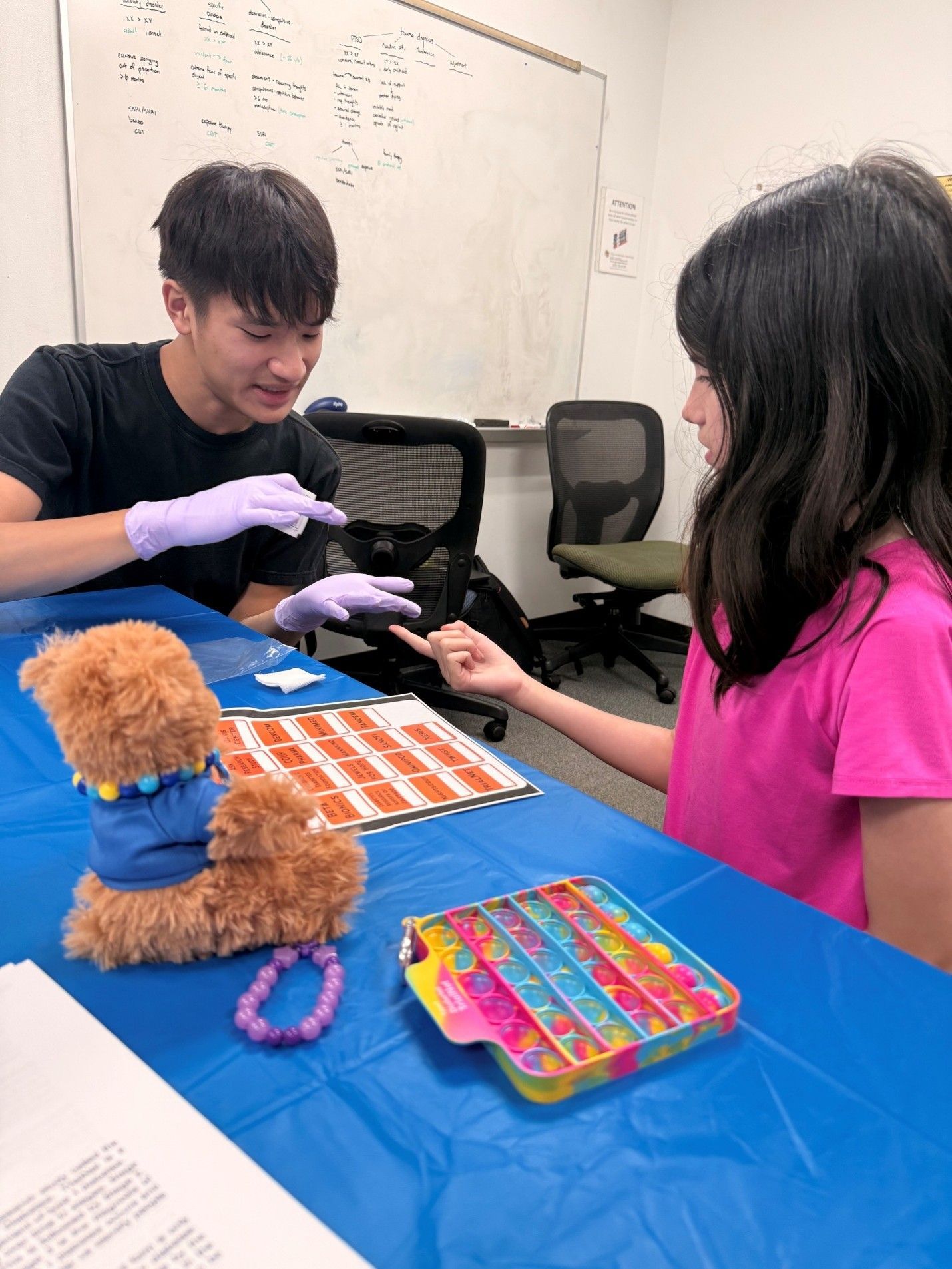
The next strategy included an offer for Cade to give me a shot before I gave him one. His initial reaction was one of surprise, accompanied by doubt that he could give a shot – not just receive one! After filling a syringe with sterile water, Cade gave me a shot with one of his needles. Fortunately, the needles were teeny, but Cade’s reaction wasn’t. He was ecstatic! For him, the playing field was evened out and his resistance to the sharp intrusions delivered to his body was diminished. (By the way, the ritual of ‘you give me a shot and I’ll give you one,’ continued for an extended period. I’ll treasure those memories forever!)
Watching a Child Thrive with Type 1 Diabetes
Cade just celebrated his 15th birthday. He now has a pump to deliver his insulin, which he prefers to ‘all of those needles.’ He still faces challenges but is shining in his academic and athletic pursuits. As a family as well as individually, we have stretched and grown. Dealing with type 1 diabetes gave new meaning to the cliché of: “When life gives you lemons, make lemonade.” While my hope and prayer are that no child would ever have to deal with type 1 diabetes, I know what the reality is. However, now that type 1 diabetes is a very real part of my grandson’s life, I see his courage and determination to not just survive but thrive as an inspiration for everyone whose life he touches, and I am grateful.
Update: Cade Bender was a recipient of Children’s Diabetes Foundation’s Charlotte Tucker Scholarship in 2019 and attended the University of Wyoming.
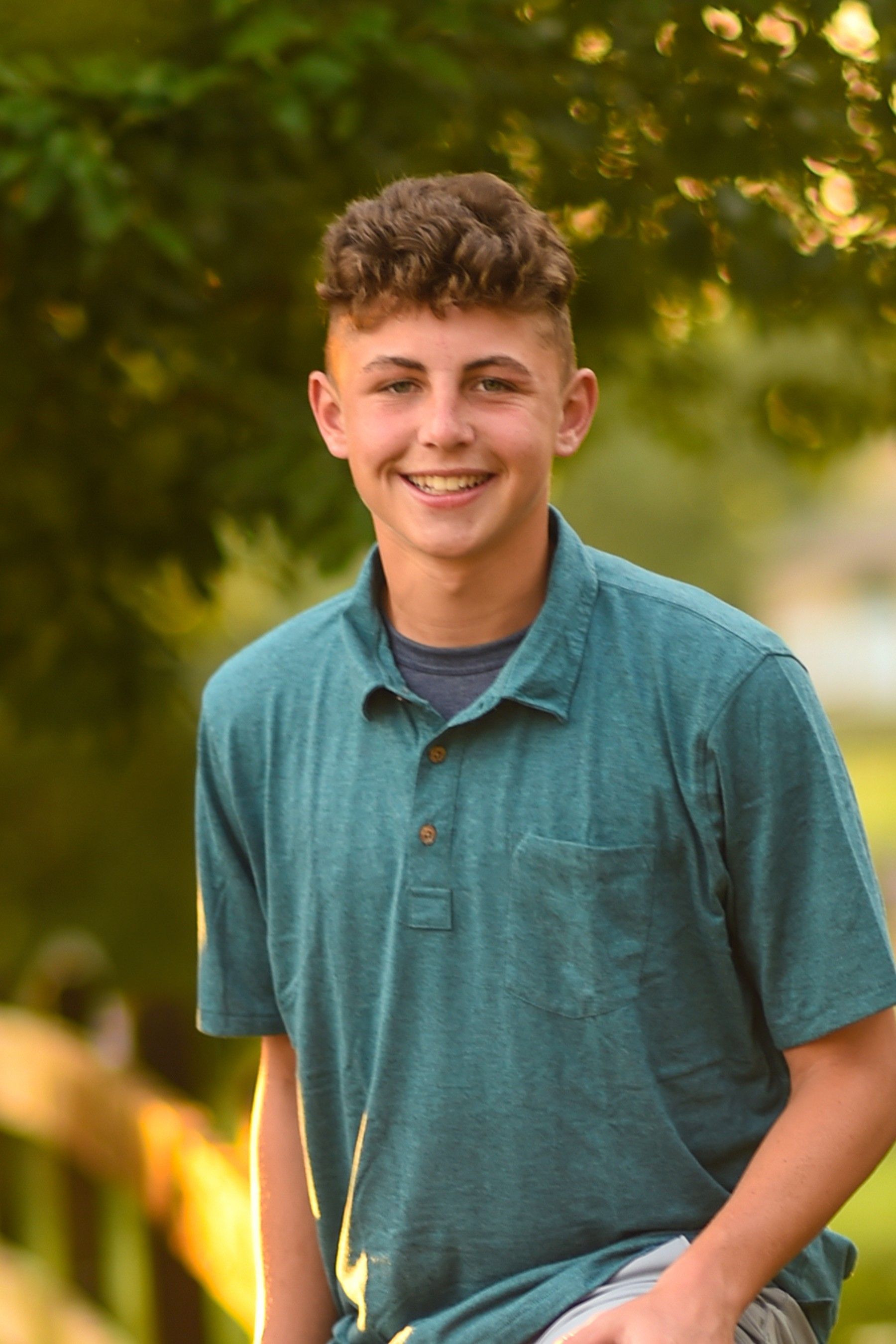


The Power of Screening & Early Detection for Type 1 Diabetes: The Diagnosis I Wish We Could Have Had