My Daughter’s T1D Diagnosis: I Thought It Was The Flu
Sarah Deatherage • March 20, 2019
TL;DR
When Sarah Deatherage’s daughter McKenna became sick, the symptoms initially seemed like the flu—but they were actually signs of type 1 diabetes. After months of subtle warning signs like weight loss, thirst, and trouble concentrating, McKenna was diagnosed in diabetic ketoacidosis (DKA) and rushed to the emergency room. The experience highlights how important it is to recognize early symptoms of T1D, as quick diagnosis can save lives. Today, nearly a decade later, McKenna is thriving, advocating for others with type 1 diabetes, and living an active life.
Updated: March 10, 2026
Day of Diagnosis
McKenna had missed a week of school and was not feeling well. I thought it was a severe case of the flu. At 8am that morning, I took her with me to a parent teacher conference. During the meeting, the teacher pulled me aside and said “Sarah, I think something is wrong – McKenna is so thin, white in color, and not able to concentrate in school. You should take her to the doctor.” Without hesitation and relief that someone else noticed the signs that I was making excuses for, I took McKenna to the doctor right away.
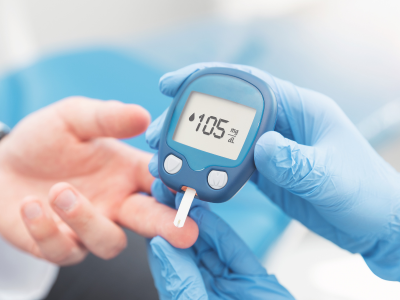
Within minutes of walking in, the doctor did an evaluation, took a blood sugar test, and said “McKenna has type 1 diabetes. You need to go to the emergency room immediately.” McKenna was in critical condition and in Diabetic Ketoacidosis (DKA), a life-threatening condition. My mind was racing with emotions. What does type 1 diabetes mean? Will she be ok? How was she in critical condition? I thought it was the flu. How did I misunderstand all the signs? I was so overwhelmed.
Leading up to Diagnosis – Know the Signs – Save a Life
- 9 months before diagnosis, I took McKenna to the doctor for an annual check-up. She had grown two inches but had not gained any weight. This was the first time the doctor showed concern.
- 6 months before diagnosis, McKenna began having a hard time concentrating. We started seeing behavioral changes at home and at school.
- 6 weeks before diagnosis, McKenna was starting to have acute weight loss.
- 2 weeks before diagnosis, she was extremely thin, excessively thirsty, having acute flu-like symptoms, and loss of appetite.
If I would have waited longer to take her to the doctor, we could have lost our child.
What is Type 1 Diabetes?
Type 1 diabetes is a pancreatic disease. The pancreas does not produce insulin. Without insulin, people with type 1 diabetes cannot survive. People with type 1 diabetes are 100% insulin dependent.
Is there a cure? No, there is not a cure for type 1 diabetes and there is no known cause. People with type 1 diabetes are dependent on insulin for the rest of their lives. We strive to raise awareness for technology advancements and, ultimately, finding a cure.
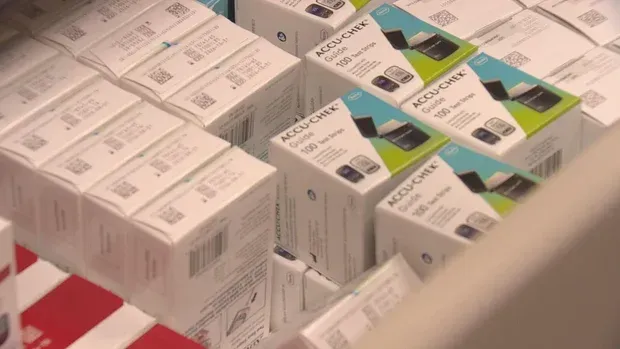
Type 1 diabetes is expensive – the average cost of medical supplies is $1,000/month
Can people with type 1 diabetes eat sweets? YES.
Insulin dosing – Every time McKenna eats or drinks, the carb count needs to be known in EVERYTHING. The amount of insulin being dosed fluctuates based on the time of day, activity levels, stress, excitement, and carb counts. Every minute of every day requires a different calculation for accurate dosing. Too much insulin is life threatening. Too little insulin is life threatening.
Type 1 diabetes is 24/7/365 to manage, that includes the middle of the night. Just like your body needs oxygen to survive, your body needs insulin to survive. If insulin is not regulated 24 hours a day, it leads to devastating consequences – blindness, liver and kidney failure, loss of limbs, loss of life.
Moving Forward
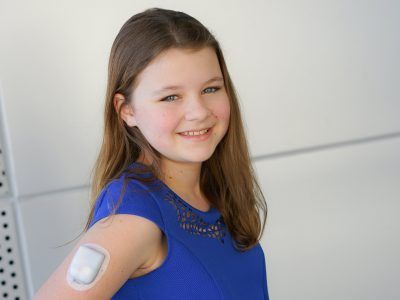
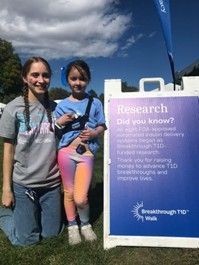
Type 1 diabetes impacts the entire family. Nine years later, there are still days filled with tears, and days of being completely overwhelmed. However, there are many days of happiness that are filled with laughter. With the love and support of our type 1 community and our family and friends, McKenna is thriving. McKenna manages Type 1 on her own, she is an advocate and role model to other children that have recently been diagnosed. McKenna is an accomplished skier, loves spending time with her friends and is actively involved in yoga and Pilates.
McKenna is now a junior in high school; she will celebrate her 10-year diaversary in May and lives with her family in Colorado.

The Power of Screening & Early Detection for Type 1 Diabetes: The Diagnosis I Wish We Could Have Had