Dear Stranger: A T1D Parent’s Story of Hope
Stacy Obrecht • November 2, 2018
TL;DR
When a child is diagnosed with type 1 diabetes, parents often face overwhelming fear, isolation, and emotional exhaustion. This heartfelt piece reassures caregivers that while the early days are incredibly hard, support, community, and unexpected moments of love and strength will emerge—and they don’t have to face it alone.
Updated: April 2, 2026
The Emotional Impact of a T1D Diagnosis in Children
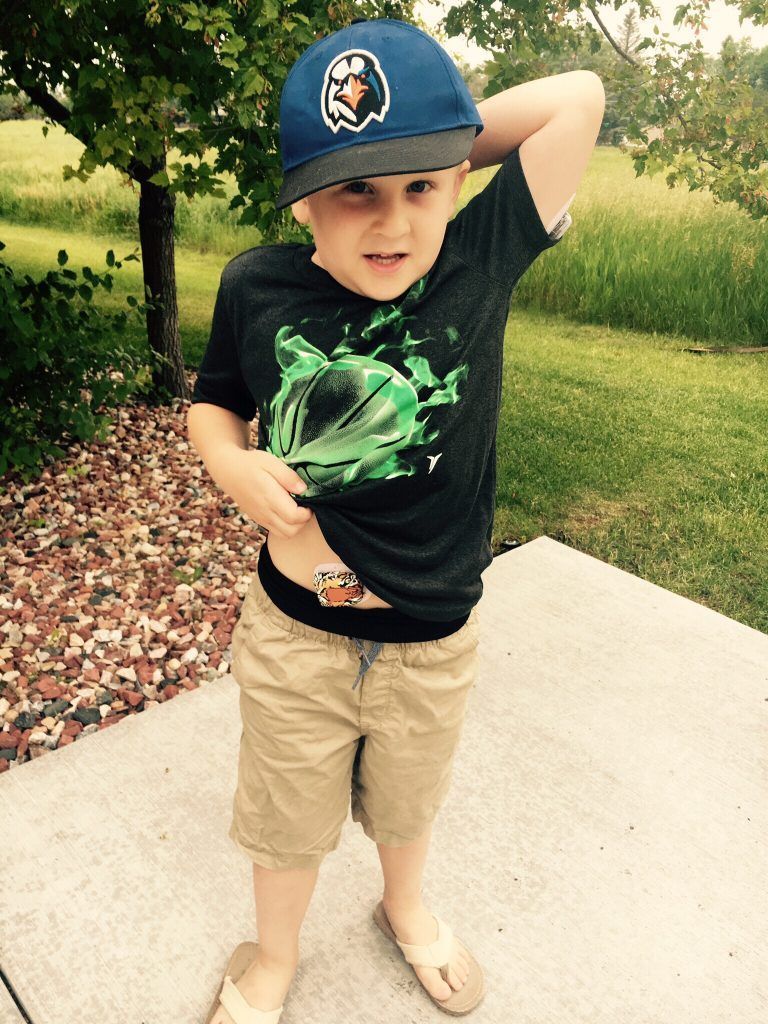
I feel as though I know you even though I don’t. Like you, my life was turned upside down when my youngest son, at the age of 5, was diagnosed with type 1 diabetes (T1D). I still feel, viscerally, every moment from the evening I found out, and all the crazy things I thought and felt after. What one cannot understand until they experience it – the total desperation, depression, anger, and fear a parent goes through after a child is diagnosed with T1D.
Why Type 1 Diabetes Can Feel So Isolating for Families
As
most people know nothing about this disease, or their only reference is a family member with type 2, the isolation can be debilitating. People saying things such as “at least he doesn’t have cancer,” “everything will be ok,” “you’ll be fine,” “he’ll be fine,” and “just eat healthier and exercise” can drive a person mad. But then I would realize that before my son was diagnosed, I too was just as ignorant about this disease as everyone else. At the beginning, this didn’t numb the pain I felt at the insane comments; but now, with the benefit of time, I can tell you… you learn to ignore and brush these comments off.
Mostly because, along with all the crazies, there will be a cherished few who will ask and pry out of true love and concern. They’ll want to learn and sit over wine with you for hours just listening to what having a child with T1D truly means for you and your life. They’ll understand and empathize with the fact that your life will be drastically different, and they’ll help you realize that it will be wonderful and perfect even though it has changed.
Finding the People Who Truly Show Up
What I wished I had known at the beginning, when I couldn’t drag myself out of bed, when I broke out in tears randomly, when I was scared half to death that my child would die each and every day and night, and when I broke down and realized I needed a therapist to help me out of the fog, was that along with all the pain and sorrow would be wonderful things as well…
The teachers that dropped everything to learn how to take care of my baby so he didn’t have to change schools. The stranger d-mama who supported me in the beginning and welcomed me into their home so I didn’t feel alone. The friend who called to check in and worried about me and the other friend who did research on medical care for my son because she loves and cares for him so much. The people who spend their time and money fundraising and donating to various organizations focused solely on finding a cure or a better quality of life for children and adults with T1D. The school that ensures I have a great teacher and nurse to care for my child when I am away from him. The bond now shared with my spouse and close family – the only ones that truly know what life is like these days. And most importantly, the love and joy I feel every minute as I see my little boy be brave and strong and resilient in a way that even I can’t be – I’ve never been so proud!
How to Build a Support Network with Other T1D Parents
So, my advice to you… reach out, call people, and share what life is like. You will lose friends (I know), because you’ll mainly lose time and be forced to prioritize who is most important in your life, but this in and of itself is a gift. Find other parents who understand your new normal, and find friendship and understanding and silence in them. It’s amazing how much peace this will bring. And get help professionally, if like me, your fear or anxiety take over, it’s not admitting failure, its admitting strength.
And know that during your sleepless nights bolusing for highs and treating lows and staring at your beautiful son or daughter when everyone else is sleeping, I am thinking of you and sending all the positive thoughts and support your way. And if you need anything, anything at all, know that I (and bunches of other d-parents just like me) will drop everything to help you, so just ask. Reach out. And don’t stay silent.
Love and light,
Stacey
Author Bio: Stacey Obrecht is a management consultant from Wyoming. And the proud mom of Evan, who was diagnosed with T1D at age 5 in November 2015. She is passionate about reaching parents of newly diagnosed children and giving back to the wonderful organizations and people that help move research and care for those with T1D forward each and every day.


The Power of Screening & Early Detection for Type 1 Diabetes: The Diagnosis I Wish We Could Have Had