Blog Post Research: Annie Williams

Graham Daugherty • June 16, 2017

A few days ago, I was reminded that 2 years ago Annie started in her first research study at the Barbara Davis Center (BDC) as a newly diagnosed child. I remember getting a phone call from a nurse asking if Annie would be interested in the study. When I asked Annie her first response was “does it help them find a cure?” I was shocked at her insight at 6 years old and I had no idea what it really meant, but I told her any study related to diabetes would benefit the community to better understand and treat diabetes better or someday prevent it. She didn’t even hesitate and said: “I’m in.”

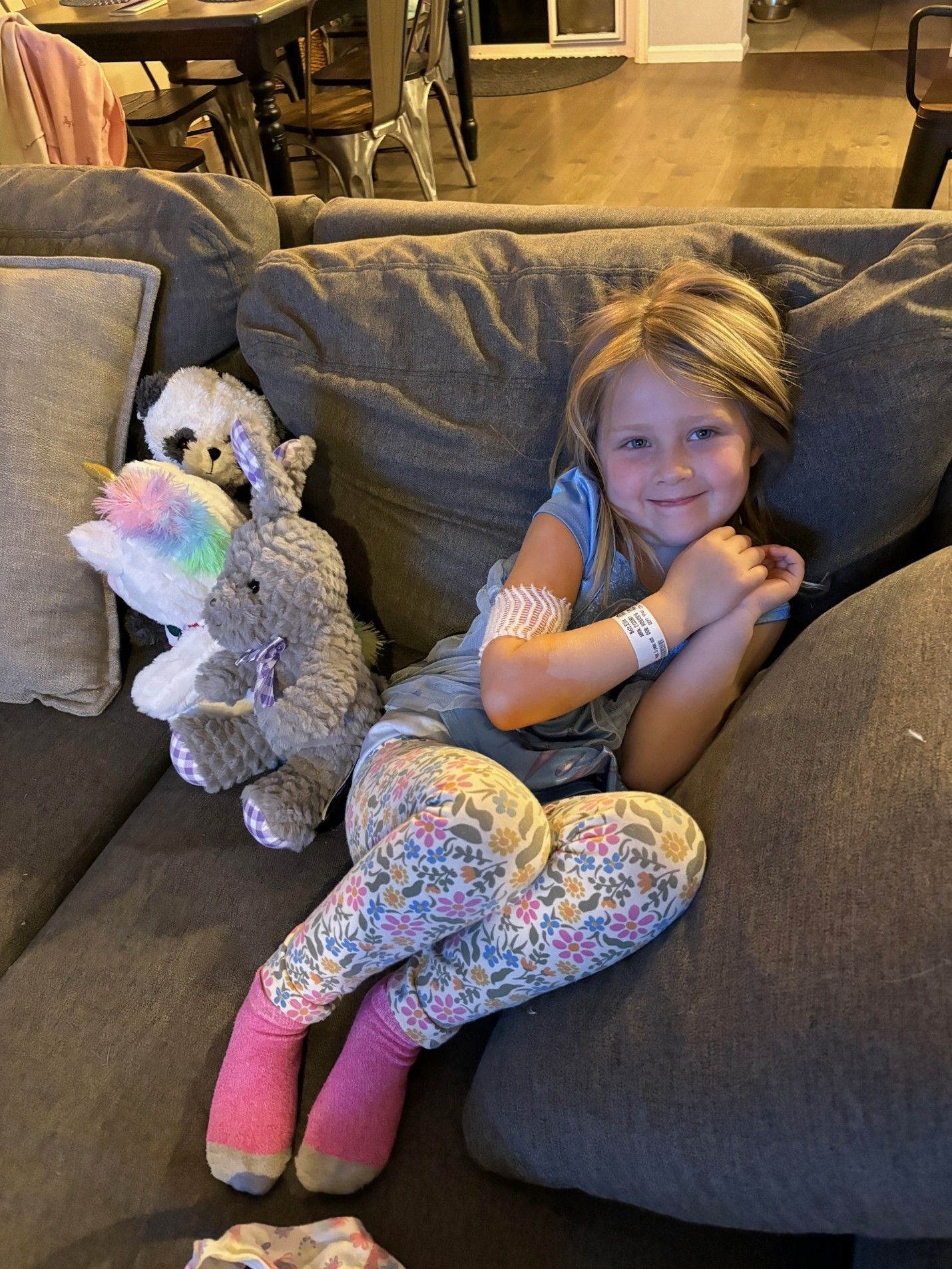
I was somewhat worried at the beginning because it involved an IV start and blood draws every 15-30 minutes for 3 hours. She couldn’t eat before or during it and we had to start our day at 6 am with finger pokes and an hour drive to the BDC to be there by 8 am. Yet, she did it, never once complained, didn’t flinch when they started the IV, or once say she wanted to be done.

At first, we weren’t sure how long Annie was going to be in the study, but exactly one year after we started, the nurse informed me that Annie’s pancreas was no longer producing anything. It had quit and she was no longer able to participate in the study. I remember crying after I hung up the phone. It felt so hopeless to me in that moment. I couldn’t see a bigger picture for anyone else and it was a hard pill to swallow early on in our diagnosis. Annie was also sad because she enjoyed being a part of research and wondered if she would ever be in another study again. I remember her telling me “Mom, they can’t find a cure if they don’t know what is wrong with me.” She was desperate to be in another study.
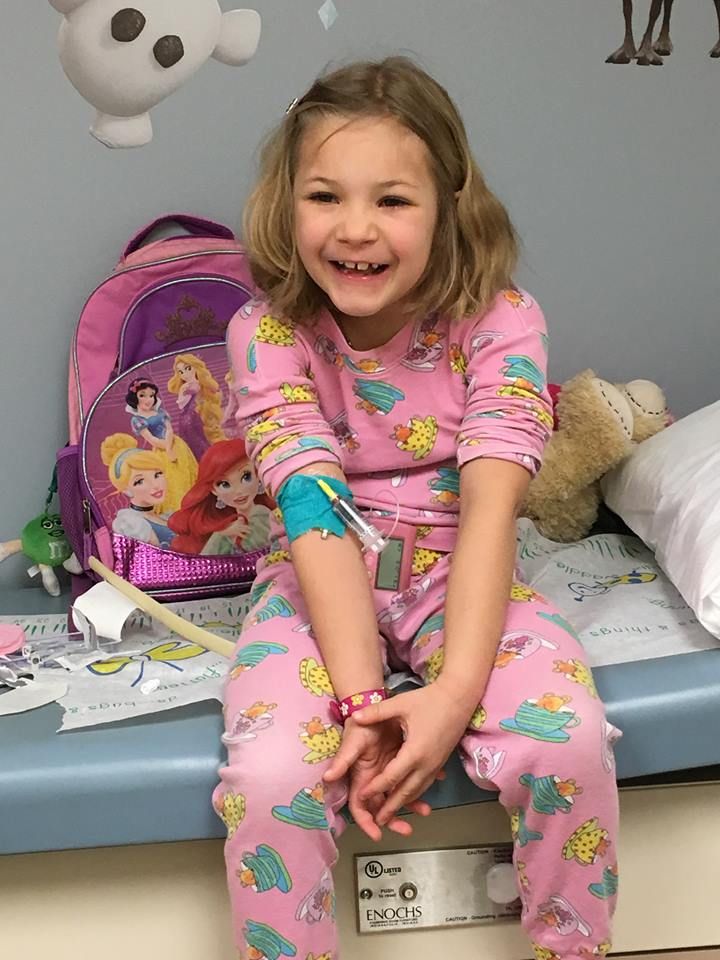
A little girl in pink pajamas is sitting on a couch with an iv in her arm.

A phone call came in November last year from the BDC, a different type of study, one that involved a laptop and a pump. We took on the challenge and Annie was thrilled. She was so willing to start in the study she didn’t care what she had to do to be in it and asked if we could go “right now” to start it. We even traveled to Texas over Thanksgiving while in the study and as a family, we figured the more we can do life like we always do, the quicker research could move along. We had to make sure we had an internet connection all night in the little hotels we stayed in at tiny Texas towns, staying on top of the site changes, doing the downloads, etc, but Annie was more than willing to be a part of it.

I  remember telling my husband at 2 am “this is so not worth it!” To which he responded, “this is huge. Someday this technology will be available; it will be a game changer for everyone.” Of course, he was right, but sometimes at 2 am, no matter if you are a part of a research study or not, you just wish there was a way for the disease to understand it is 2 in the morning and we all want to be asleep right now. Why can’t we just take care of this in the morning? Because we can’t.

We have been so blessed to continue to be a part of research even today—and we take it on as a great responsibility and honor to be a part of it. Annie is now 8, currently in a study, and she doesn’t bat an eye when we tell her she needs to do something because of the study. I asked her the other day “why do you like to be in research studies.” She responded, “I like being able to help other people with diabetes.” No matter the study how small or big it might be, it all goes to a greater cause of making life easier with diabetes or preventing it for others, or maybe even someday everyone living with type 1 can say “I use to have diabetes”. How amazing would that be?
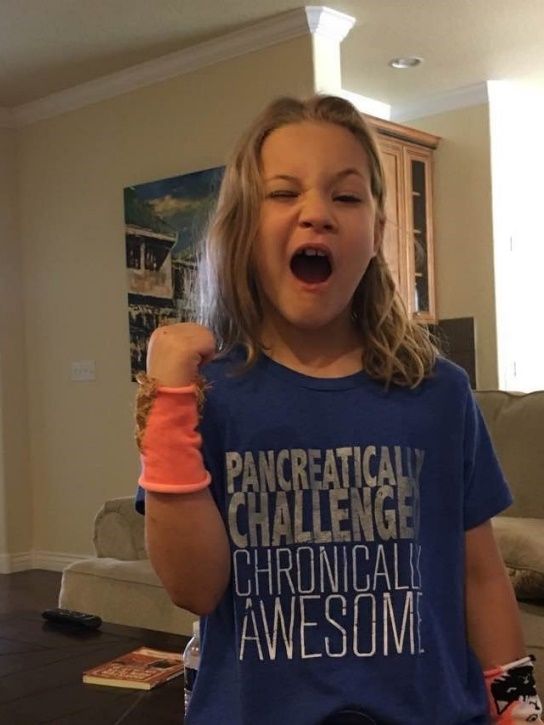
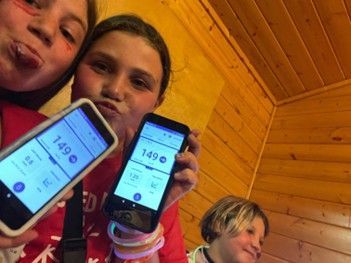
A young girl wearing a blue shirt that says pancreatic challenge chronically awesome
A woman is doing a split with the words if i can just inspire one person
By Sasha Amiscaray April 15, 2026
TL;DR After 15 years of living with type 1 diabetes, Sasha shares her journey from diagnosis and denial to acceptance, advocacy, and a career in healthcare. Through challenges like fear of injections, managing diabetes as an athlete, and navigating school and college, she discovered strength, community, and purpose. Her story shows that while diabetes is difficult, it can also shape identity, open doors, and lead to meaningful connections and opportunities.
A black and white photo of a person with an insulin pump on their stomach
By Dr. Holly O'Donnell April 3, 2026
Type 1 diabetes affects mental health in youth and families. Learn about risks like depression, anxiety, and distress, plus support options and when to seek help.
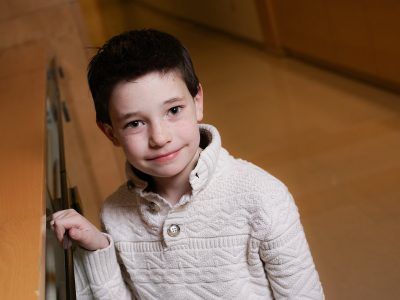
A young boy in a white sweater is standing next to a cabinet.
By R. Paul Wadwa, MD, Professor of Pediatrics at the BDC April 2, 2026
Type 1 diabetes is often misdiagnosed as flu, UTI, or viral illness. Learn key symptoms, DKA warning signs, and when to ask your doctor for testing to avoid delays.
Author and type 1  diabetic Madeline in a research lab
By Madeline VanOrman March 20, 2026
Follow one patient’s journey with type 1 diabetes from childhood diagnosis to college life, sharing challenges, independence, and finding support along the way.
A cartoon illustration of a white monster with horns waving.
By Cheryl Lebsock March 18, 2026
A parent shares how naming type 1 diabetes “Frank” and reframing it helped protect their child’s identity, improve mental health, and strengthen family support.
Three young type 1 girls with CGMs on their arms.
By CDF Staff March 18, 2026
Donate your Colorado state tax refund to the Children’s Diabetes Foundation. Learn how to use form DR 0104CH to support T1D patients and families.
Young girl with her blood glucose monitor and insulin pump
By Hali Broncucia, Research Scientist at the Barbara Davis Center for Diabetes March 16, 2026
Learn the three stages of type 1 diabetes and why early screening matters, including how detection can reduce DKA risk and delay onset with new therapies.
A group of people are posing for a picture in a living room.
By Stacy Robinson June 14, 2024
With Father’s Day just around the corner, I am thinking about my dad even more than I usually do. He was a special man who lived a remarkable, impactful life right up until the day he passed away at the age of 98, a little over a year and a half ago. He was a decorated World War II veteran, a bookie in Vegas during the Rat Pack era who married the love of his life between rounds of a prize fight, and who later went on to become a successful entrepreneur. Most importantly though, he was a devoted husband, father and grandfather.
A man and a woman are posing for a picture in a parking lot.
By Lindsay Klatt June 14, 2024
Author: Lindsay Klatt Being the dad of two daughters already has its highs and lows; having one of them (who admittedly was already a little feisty) diagnosed with type 1 diabetes makes him a saint. My wonderful dad navigated these challenges with such love and grace. As we approach Father’s Day and as I recently celebrated my 27th Diaversary, I reflect on the things he deserves to be thanked for. There are too many to count and no way to properly express gratitude for the additional struggles type 1 fathers face, but here’s a toast to a few of the things etched on my heart: Cheers to my dad who, when I was diagnosed, had the best balance of acknowledging the sadness of the event and being encouraging for the future. It made me feel seen to see him upset, and to see him determined. He has always maintained that balance I am so grateful for.