Aunt Carla, My Hero
Graham Daugherty • September 1, 2019
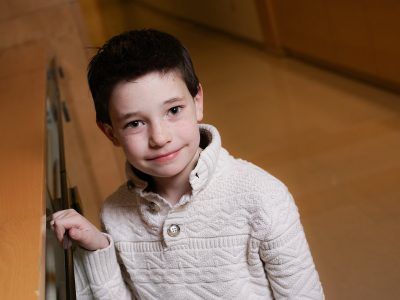
My name is Sequoia and I was diagnosed with type 1 diabetes on September 1, 2018, when I was 7 years old. This is more than my diagnosis story. This is a story about how my aunt Carla saved my life before I was even born by enrolling my cousins in the TEDDY and DAISY studies.
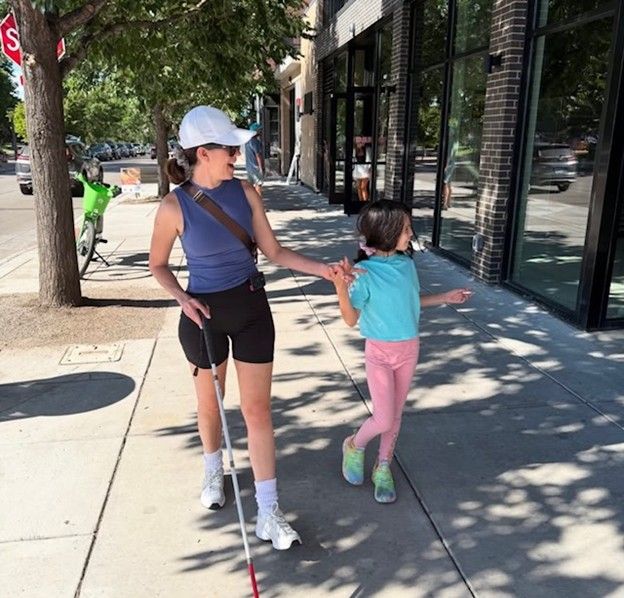
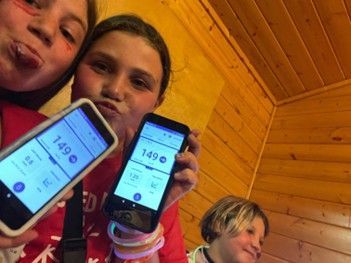
It was Labor Day weekend 2018, and while I was excited about a 3-day weekend, what I was most excited about was that my cousins and Aunt Carla were coming to the mountains with us. We left Friday evening with all the boys in one car and all the girls in another car. I remember I was really thirsty, and we had to stop three times in two hours for me to go to the bathroom. My aunt immediately thought something was off, but my mom figured I was thirsty and peeing a lot because I had been running cross country and I was finally drinking all the water she tells me to drink. That night, my aunt slept with the kids in the loft and I went to the bathroom seven times.
At that point, my aunt knew this was something more serious. My cousins are in the TEDDY and DAISY studies, so my aunt was very educated on T1D and the symptoms, while my parents were not. (TEDDY and DAISY are both studies at the Barbara Davis Center for Diabetes funded by the National Institute of Health focused on the genetic and environmental causes of type 1 diabetes.)
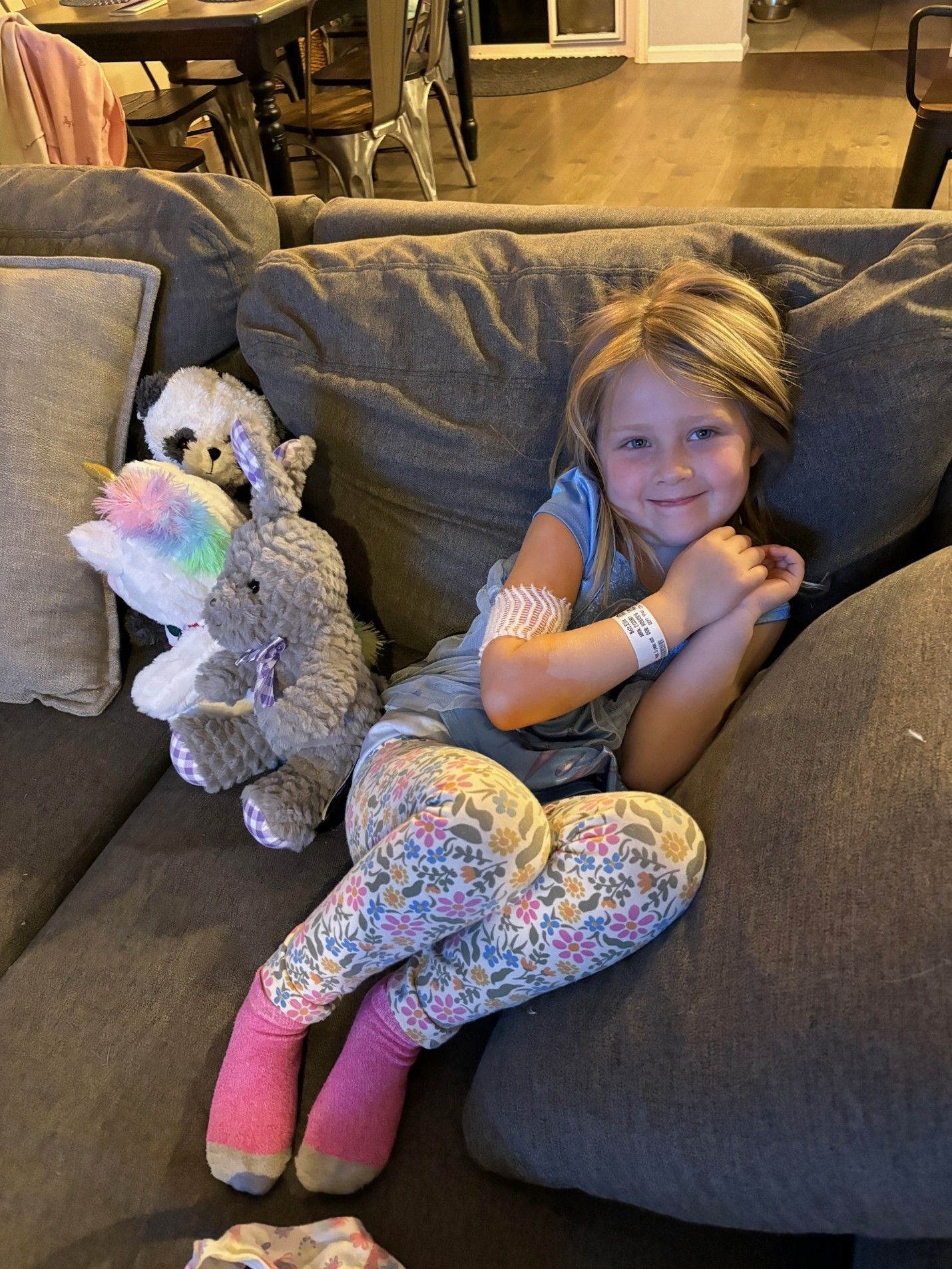
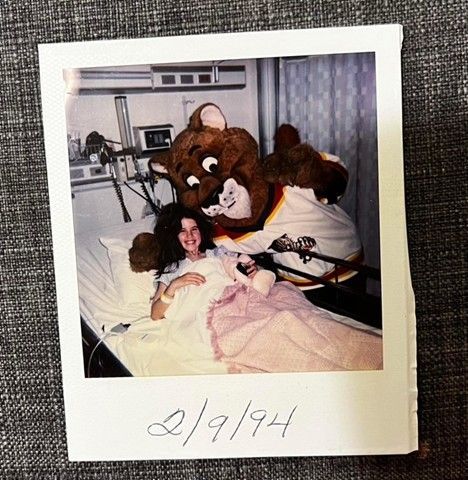
We went on a hike and my aunt finally talked my mom into calling the on-call nurse because she was convinced I had T1D. Before I knew it, we were in the car and racing to the ER. I was scared. When I got to the ER, my blood glucose was 884 but I was not in diabetic ketoacidosis (DKA). Nevertheless, the ER could not stabilize me, so Flight for Life transported me to a Pediatric ICU. When I say my aunt saved my life, she really did. The PICU doctors and endocrinologists said I would have gone into a coma that night with my rising BG, and we were well over an hour from an ambulance getting to us. Luckily, I only spent one night in the hospital. When I was discharged, all I wanted to do was get back to the cabin to hang out with my brothers and cousins.

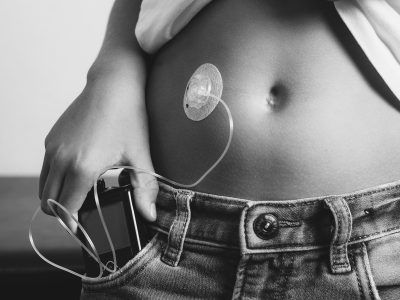
In the past year, I’ve learned a lot thanks to T1D. I can read food labels better than any kid in my grade, and I’m incredibly tuned in to my body and what it’s telling me. I’ve learned to tell people how I’m really feeling and not always say “I’m okay.” I’ve learned to not be afraid of needles and stand in front of my class to tell them about diabetes. I eat healthier and exercise more than ever. I’ve learned I have the best school and friends in the whole world. I’ve learned I hate CGMs in my stomach and prefer MDIs in my butt. I’ve learned to make low carb brownies that are delicious. I know the pharmacists at Walgreens by name and can sleep through finger pokes in the night.
Mostly, I’ve learned my aunt is my hero.