A Letter to Those Impacted by Type 1 Diabetes
Paige Lindbloom, T1D • January 28, 2020
TL;DR
Living with type 1 diabetes can be exhausting, overwhelming, and unpredictable, but no one faces the journey alone. This open letter offers encouragement to individuals with T1D, caregivers, parents, siblings, and loved ones who navigate the daily challenges of diabetes. It serves as a reminder that resilience is built one day at a time, that setbacks do not define success, and that hope, community, and perseverance remain powerful forces in the diabetes journey.
To Everyone Whose Life Has Been Touched by Type 1 Diabetes
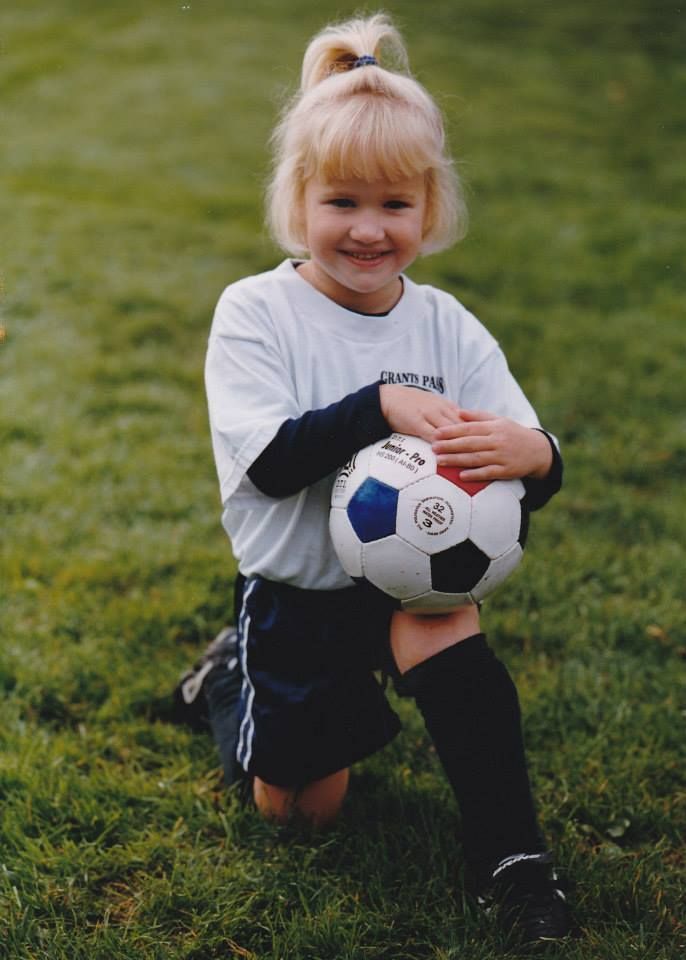
When I was diagnosed at 8 years old, I truthfully didn’t understand much. But really, what is there to understand when you get diagnosed with an illness you couldn’t prevent, couldn’t stop, and can’t get rid of no matter how hard you try? Even though I was 8, I still had a very methodical thought process. A + B = C. That’s just how life should work. If I don’t work on my homework, I won’t get good grades, then I get grounded until my grades come up. If I practice hard at soccer, I get to start games, and I get to play more. These things made sense in my 8-year-old mind. What didn’t make sense is that diabetes wasn’t from something I ate. It wasn’t because I was a kid. It wasn’t because I didn’t exercise enough. It was because one day my body decided to attack itself and my pancreas is dead because of it. (Now, I know my pancreas isn’t “dead”, but this is my t1d narrative and that is one of the best ways to describe it to a kid who has no idea what’s going on with their body.)
Adjusting to My New "Normal"
As most kids do, I bounced back from my diagnosis pretty well. I gained weight, learned how to count carbs, and stopped shaking as much when I had to do injections. I jumped back on the field and didn’t let being the “diabetes girl” hold me back from anything. Granted, I did get some special consolations like boxes of food in class and time to walk to the main office to test my blood sugar (conveniently during my least favorite class) but overall, diabetes never held me back from anything.
In 2007, my family moved from Oregon to Colorado explicitly for the Barbara Davis Center. My care improved, my A1C began to get better, and I learned a lot more about diabetes than I ever thought possible. The BDC became a hospital that, for the first time, wasn’t scary and didn’t make my blood pressure skyrocket when I walked through the doors. The staff (especially Tavia) welcomed me with a hug, asked how I was doing, and made sure I didn’t feel overwhelmed at my appointments. Even though I was going for life-saving diabetes care, the wonderful people at the BDC saved my heart as well. Granted, I was only there because I was type 1, but the staff that I saw every visit made sure to see me as a person first, not just another name to cross off their check-in sheet that day.
Full Circle
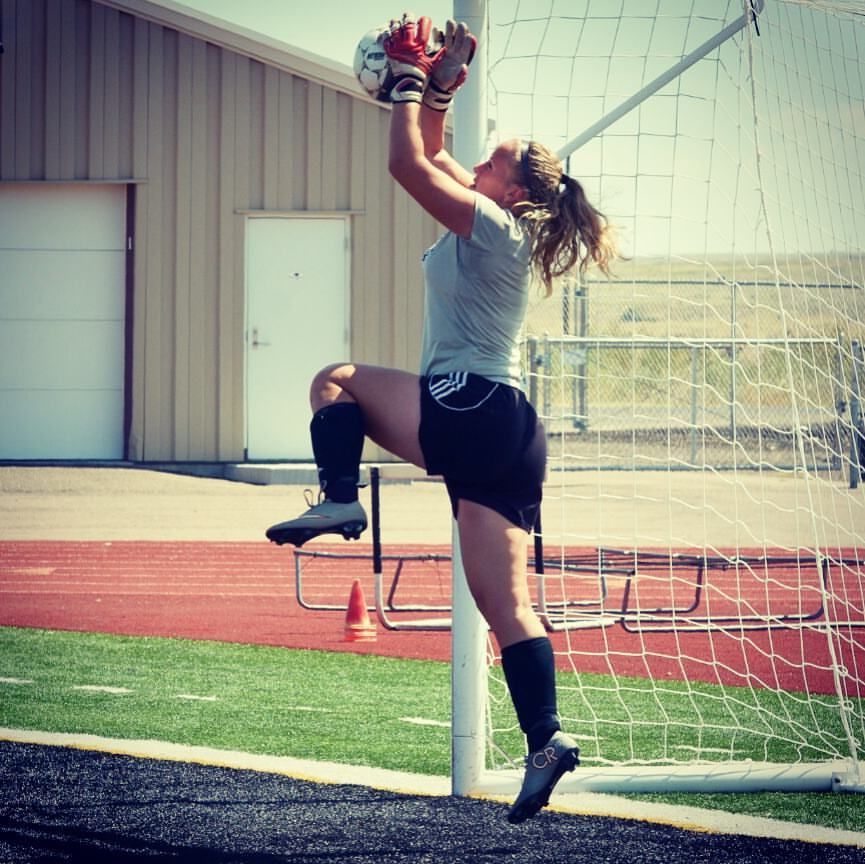
On June 3rd, 2019 I started my job with the Children’s Diabetes Foundation in Denver, Colorado. I am now the Community Engagement Manager at CDF and I work with volunteers, advocates, sponsored fundraisers, support groups, and education and awareness. My job is one that my mom always wanted me to have and for the first time, I can understand why. Diabetes was never a bump in the road for me but merely a road sign I would pass on my journey. I’ve played college soccer, graduated with two degrees, and now have a job where I am lucky enough to make a difference in people’s lives that are just like me.
Finding Strength in Community and Connection
If you ever feel like you are alone with type 1, please know you’re not. Diabetes can make you feel isolated and hurt and frustrated and tired and everything else you can fathom. This disease doesn’t play fair and it definitely is not an A + B = C disease. You can do the same thing, eat the same food, drink the same amount of water, and get maddeningly different results every day. Just know that you’ve got this! There is a whole community out here waiting to help you, answer your questions, and make sure YOU are okay, not just your diabetes.
You are strong. You are courageous. And you are greater than the highs and lows.