A New Life for the Zarecki Family
Graham Daugherty • October 21, 2015
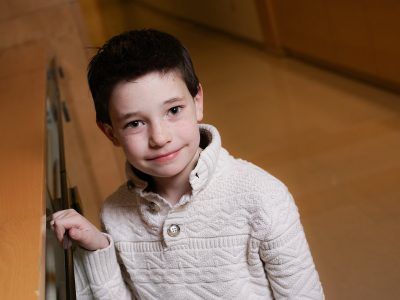
By Mattie PecknnThe Zareckis became a part of the Barbara Davis Center family just a couple of years ago when 8 year old Parker was diagnosed with type 1 diabetes. He displayed some of the stereotypical symptoms of type 1 diabetes (lethargy, low energy, vomiting, and weight loss). But unfortunately, all of Parker’s symptoms could be explained by a bug or virus. The doctor’s diagnosis? Kids get sick so just wait it out.nnBut things only got worse. When visiting family in Wisconsin, Parker spent an entire day lying on a couch with incredibly low energy. When he finally got up, he couldn’t keep his balance and ended up ramming into a wall hard enough to unhinge a picture.
But unfortunately, all of Parker’s symptoms could be explained by a bug or virus. The doctor’s diagnosis? Kids get sick so just wait it out.nnBut things only got worse. When visiting family in Wisconsin, Parker spent an entire day lying on a couch with incredibly low energy. When he finally got up, he couldn’t keep his balance and ended up ramming into a wall hard enough to unhinge a picture. This was clearly out of the norm for the athletic 8 year old so Nicole, Parker’s Mom, carried him into the hospital that day.nnnnWith a blood sugar of 600, the diagnosis was clear. When the word “diabetes” came up, Nicole couldn’t help but think how healthy her boy was. He didn’t eat much candy or drink too much soda so why was this happening? James, Parker’s father, remembers him getting ill fairly consistently for years. How long has diabetes been lurking behind these bouts of sickness?
The vacation was cut short so the family could head back to Colorado to meet with the doctors at the Barbara Davis Center, where Parker learned about insulin, injections, carb counting, exercising, and the whole diabetic shebang. Food was the biggest concern. Suddenly snacks had strict portion sizes and meals could only have 60 carbs.

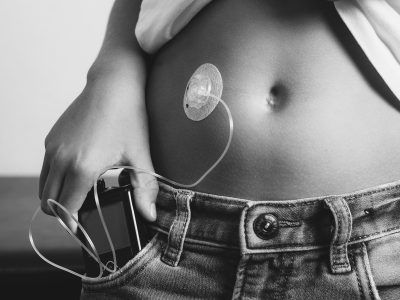
Cotton candy and nestle quick were severely limited, which is difficult for a young boy to hear.nnBut over time, things got easier. One of the most memorable diabetes victories involved a dinner buffet (this is where all the diabetics perk their ears up because diabetes and buffet aren’t the best combination). After his feast, Parker’s blood sugar was 123! If that’s not a miracle, I don’t know what is… Clearly it was for the Zareckis too since they all smirked at the memory.nnDiabetes threw Parker into a whole new routine, but that hasn’t slowed him down one bit. Parker plays basketball and competitive lacrosse. He just removes his pump when he’s being active and is your normal, carefree kid.nnPumps and Continuous Glucose Monitors (CGM) became a big part of Parker’s life after a year of injections. He used a CGM for the first time during a closed pump study at the Barbara Davis Center. He slept next to a computer for 40 nights, providing a huge mental relief for Parker’s parents. The pump would suspend insulin when it could see that Parker’s blood sugar was trending low, preventing hypoglycemia. This system decreases night time lows significantly and the Zareckis were so excited to know they were helping the future of diabetes care for T1Ds all around the world.

It was great to help with the learning process and contribute to the new technology that will improve diabetes management, therefore lessening future complications.nOf course Parker and his parents wish he didn’t have diabetes. But he does. So all they can do is manage it to the best of their ability and stay on top of it. It might feel more natural to take care of as time goes on, but it never goes away. It’s hard for parents to give up the control when their son’s life is at stake, but from the moment of the diagnosis, a parent’s brain never shuts off.nnDespite all this, you would be hard pressed to find a more healthy, active, and happy family. They are all so supportive of Parker and his diabetes. Keep reading our upcoming blog posts to hear more about Parker and the Zarecki family!nn