A Father’s Story
Graham Daugherty • April 4, 2020
By Wade Prichard

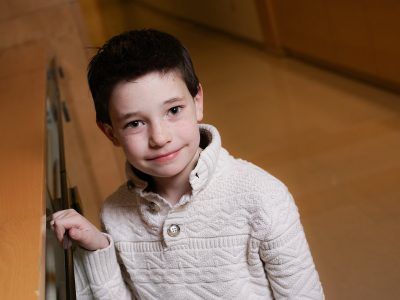
April 4, 2005 was a difficult, emotional, and painful day for our family. Our youngest son, Michael, was diagnosed with type 1 diabetes at the age of 8.
My hope is that this testimony will be an encouragement, especially to those who “missed” all the classic signs of the onset of type 1 diabetes.
As a family of ten, we had been fortunate with relatively good health. We wouldn’t run to the doctor for every sniffle or cough. As the “classic” signs began to show themselves we simply missed them.
Michael was playing youth soccer at a high level for an eight-year-old. So hydration and carbohydrate intake was important. Frequent urination was somewhat normal especially when you are drinking so much as a soccer player. Craving carbs was normal…what eight-year-old doesn’t like ice cream and cake? As Michael’s body was burning fat and he was looking slimmer, I thought he was simply losing his “baby” fat. When I could smell the sweet chemical smell on his breath as he sat in the back of the car and was expelling ketones, I didn’t get it.
At church on the morning of April 4th, I put my arm around Michael’s shoulders and could feel the sharp outline of his shoulder blade. I remember thinking that didn’t seem right. Later that afternoon I get a call from the team manager of Michael’s oldest brother who was in Las Vegas at a soccer tournament to let me know that Charles was at the ER because he broke his wrist. After hanging up the phone I asked Michael to come to my office and to remove his sweat shirt. That was when I saw his emaciated torso and thought “that doesn’t look right.” My wife Mindy and I decided to take Michael to the doctor in the morning.
Later that evening, Mindy was reading a medical diagnosis book that asked yes or no questions. The “book’s” diagnosis was diabetes. I thought, “we don’t have any family history of diabetes.” The book must be wrong. Meanwhile Mindy, with that “mommy” intuition, decides to call a family friend who is an adult diabetic who had his onset at age 10. Mindy said, “Michael has been doing this and this….” Pat answered and asked all the right questions… how did he know? Well they were all the classic signs of the onset of type 1 diabetes. So, we told Pat that we were planning on taking Michael to the doctor in the morning.
Thirty minutes later, Pat called back and graciously insisted that we take Michael to Children’s Hospital now. At Children’s, the doctors spent the rest of the night trying to keep Michael from going into a diabetic coma. My guess looking back, Michael would have slipped into a coma that night if we had not gone to the hospital.
That night was the scary part. The next day came the realization that, yes Michael will live; however, his life just changed forever. The doctors could not fix his pancreas, get rid of the antibodies that destroyed his islet cells, or just simply fix the problem. This was a sobering realization.
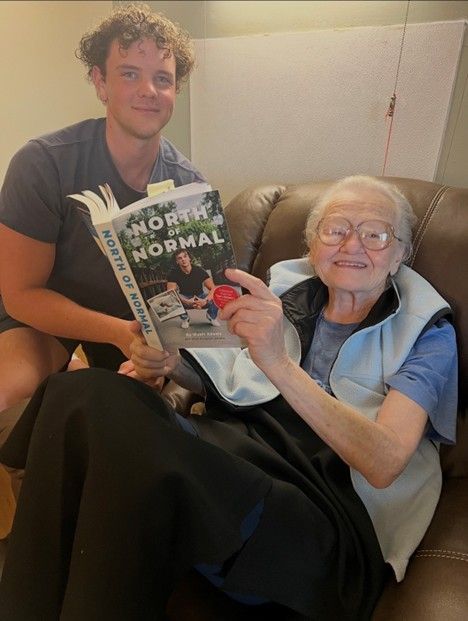
Now fourteen years later Michael will be finishing up his last semester in college. Having to manage his disease has led Michael to pursue a career in the medical field. Along the way, various doctors, nurses, physician assistants, and organizations like the Children’s Diabetes Foundation have been such a good source of encouragement – not only for Michael, but for his entire family.