The Power of Screening & Early Detection for Type 1 Diabetes: The Diagnosis I Wish We Could Have Had
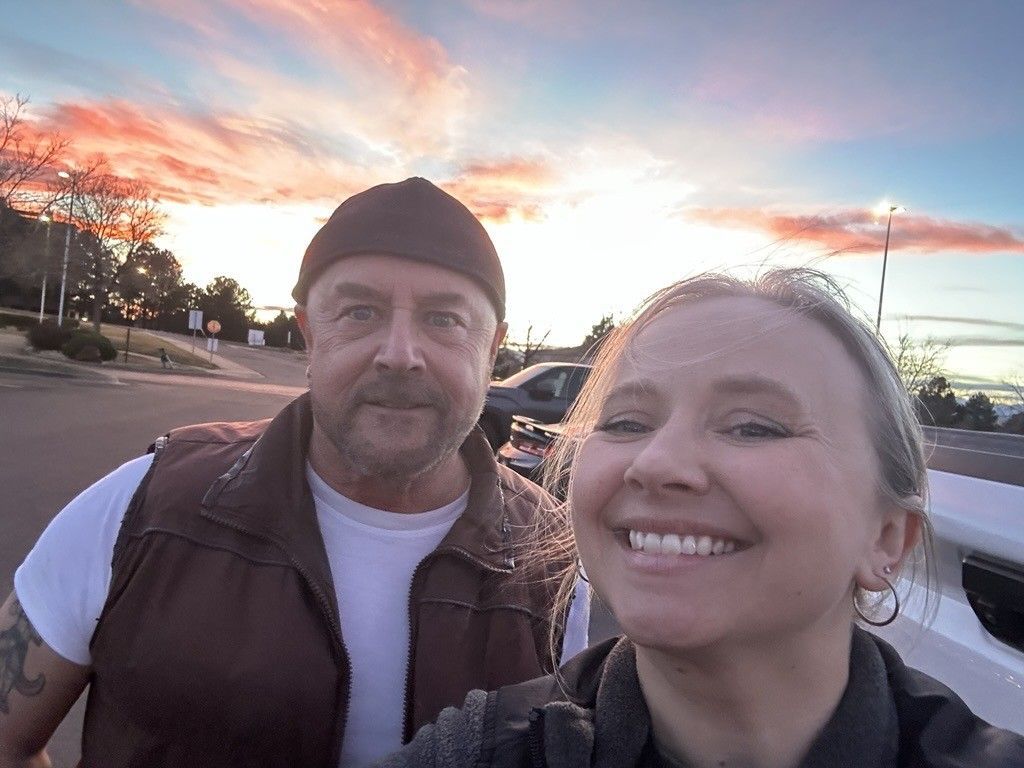
Mary Ann Chamberlain, T1D for 37 Years • July 20, 2026
TL;DR
Diagnosed with type 1 diabetes in diabetic ketoacidosis (DKA) at age seven, Mary Ann reflects on how advances in early screening could have changed her family's experience. Today, type 1 diabetes autoantibody screening can identify people at risk before symptoms develop, giving families time to prepare and, in some cases, delay the onset of insulin-dependent diabetes with new therapies like Tzield®. Her story highlights why early detection is transforming diagnosis, reducing DKA, and offering hope for families everywhere.
My Type 1 Diabetes Diagnosis at Age Seven
Life looked a lot different in 1990 when I was diagnosed with type 1 diabetes at the age of seven.
Back then, life was filled with curiosity, wonder, swimming in the pool, playing outside with friends until the streetlights came on, and all the little moments that make childhood so special. Thankfully, those moments didn't disappear after my diagnosis, but they became intertwined with blood sugar checks, insulin injections, and a new reality my family never expected.
My diagnosis story began the way many did back then—with diabetic ketoacidosis (DKA). I was only seven years old, so I don't remember everything from that day. My parents remember it much more vividly than I do. I have bits and pieces of memories, but they carry the weight of watching their child become critically ill without understanding why.
Recognizing the Early Signs of Type 1 Diabetes
Looking back, the warning signs were there. I was constantly thirsty. I was exhausted. I was losing weight. My mom later found out from my cousins that I had even been falling asleep in class. My little body was going through something no one had discovered yet.
Like so many families without a history of type 1 diabetes, my parents had no idea these symptoms pointed to diabetes. They weren't ignoring them—they simply didn't know. Then it all came like a wrecking ball. One trip to the emergency room changed our lives forever.
For me, it was confusing. For my parents, it was the day they were suddenly expected to learn how to keep their seven-year-old alive with a disease they had never imagined would become part of our family's story.
How Type 1 Diabetes Screening Has Changed
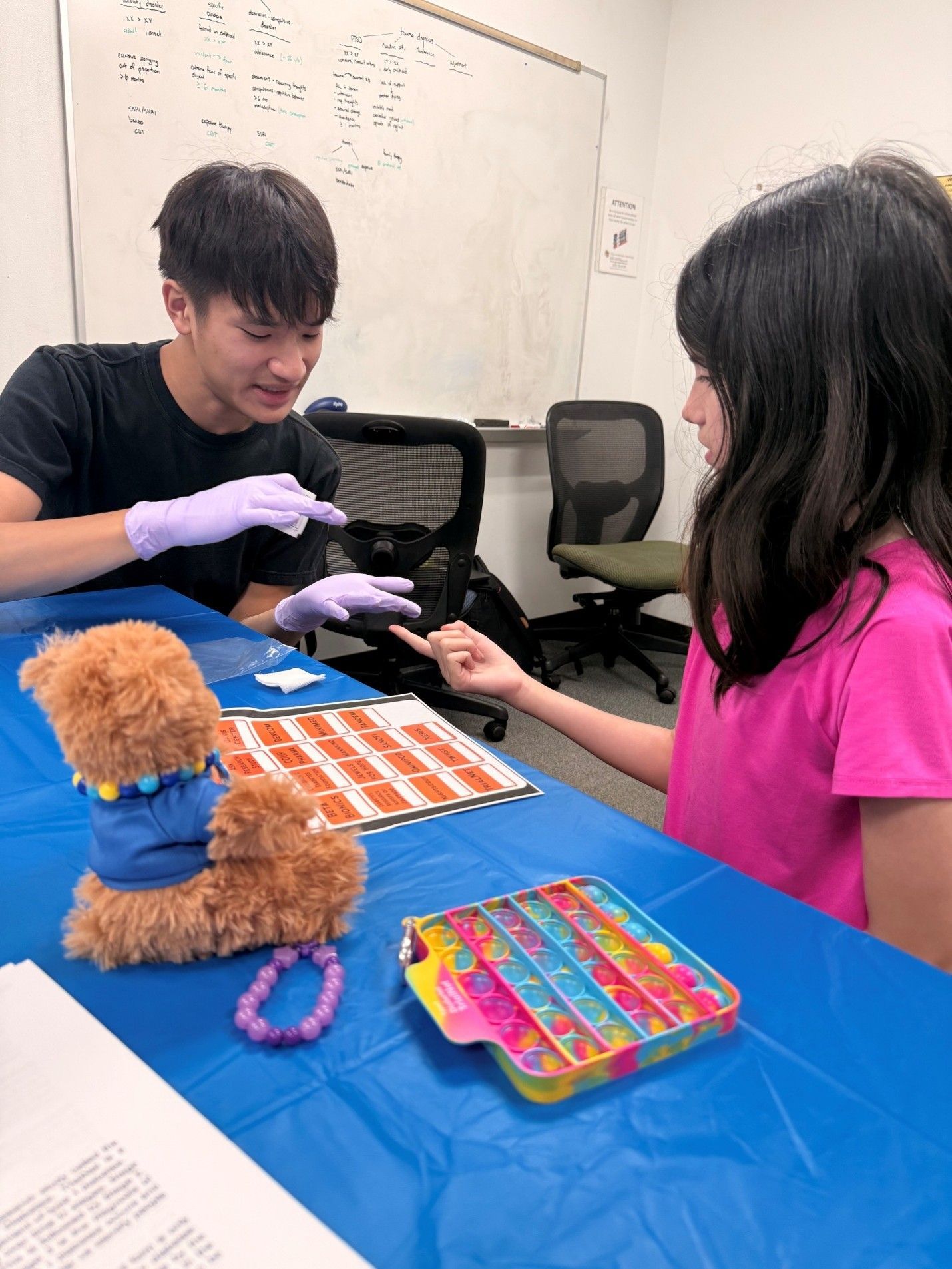
Today, we have the ability to identify people who are at risk for type 1 diabetes before symptoms ever appear. Through a simple blood test that looks for type 1 diabetes autoantibodies, we can identify who is likely to develop the disease long before insulin is needed.
Type 1 diabetes develops in three stages. During Stage 1, a person can feel completely healthy while the immune system has already begun attacking the insulin-producing beta cells. That knowledge is powerful.
A diagnosis may still come someday, but families no longer have to be blindsided by it. Instead of learning about type 1 diabetes during a medical emergency, they have time to prepare, meet with specialists, understand diabetes technology, and process what lies ahead.
As someone who experienced DKA at diagnosis, the possibility of preventing that experience for another child means everything to me.
More Than Early Detection—It's Giving Families Time
Early detection has also opened the door to interventions that simply didn't exist when I was diagnosed. Tzield (teplizumab-mzwv), the first FDA-approved therapy shown to delay the onset of Stage 3 type 1 diabetes in eligible individuals, offers some families months—or even years—before insulin becomes part of everyday life.
That means more time before counting every carbohydrate, worrying about overnight blood sugars, carrying diabetes supplies everywhere, and making the countless decisions that come with living with type 1 diabetes. Time is a gift.
Resources That Are Changing T1D Diagnosis Stories
Families today have access to incredible screening resources, including:
- TrialNet – free risk screening for relatives of people living with type 1 diabetes and leading prevention research.
- ASK (Autoimmunity Screening for Kids) – community screening to identify children at risk, including many without a family history.
- Type 1 diabetes autoantibody screening – increasingly available through healthcare providers and diabetes centers.
Looking Forward With Hope
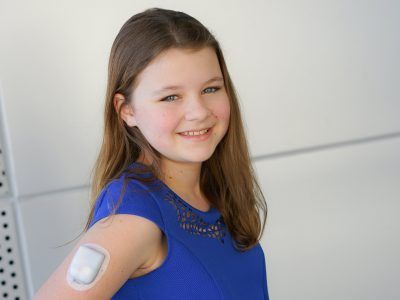
I've now lived with type 1 diabetes for nearly 37 years. I've watched diabetes care evolve from urine testing and injections to continuous glucose monitors, insulin pumps, automated insulin delivery systems, and now therapies that can delay the progression of the disease.
If my story had happened today, it may have looked completely different. Maybe my parents would have known before I became sick. Maybe I wouldn't have been diagnosed in DKA. Maybe they would have had time to prepare instead of being thrown into survival mode overnight.
We'll never know. But what I do know is this: every child and every family deserves that opportunity.
Learn More About T1D Screening
If you have a family history of type 1 diabetes—or even if you don't—learn about TrialNet, ASK, and type 1 diabetes autoantibody screening. These advancements are changing diagnosis stories every day. Because while we still don't have a cure, we do have hope. And sometimes, hope begins with a single blood test.