The Dawn Phenomenon in Diabetes
By G. Todd Alonso, MD Associate Professor Medical Director, Pediatric Clinic Barbara Davis Center for Diabetes • October 16, 2026
TL;DR
The dawn phenomenon is an early-morning rise in blood sugar caused by hormonal changes that increase insulin resistance and glucose production. It can be especially pronounced in children with type 1 diabetes during puberty. Continuous glucose monitors (CGMs) help families identify glucose patterns, while automated insulin delivery (AID) systems can adjust insulin throughout the night to help manage rising levels. Breakfast, exercise, insulin timing, and collaboration with a diabetes care team can also play important roles in managing early-morning blood sugar changes.
Originally published October 31, 2017
What Is the Dawn Phenomenon in Diabetes?
Anyone managing day-to-day blood sugar variations has observed that some times of day present particular challenges. Experts estimate that about half of people with type 1 or type 2 diabetes experience blood sugar rises around the beginning of the day, an event we know as the
Dawn Phenomenon.
What Causes the Dawn Phenomenon?
The current understanding is that overnight growth hormone and cortisol secretion leads to insulin resistance in the liver, resulting in more glucose output, and in muscle, reducing glucose uptake. In people without diabetes, early morning insulin levels increase only slightly to compensate. However, in people with diabetes whose insulin comes from subcutaneous injection or pump, the liver doesn't "see" as much insulin as it would from the pancreas, making it harder to control this early morning rise. Patients frequently report they experience a notable blood sugar rise after getting out of bed before eating breakfast, which is consistent with what we know about these hormone changes at dawn.
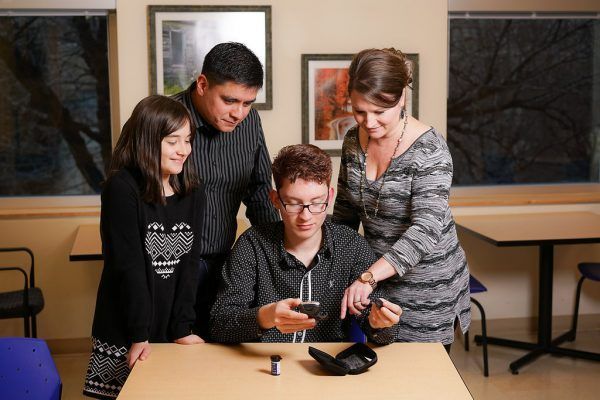
This phenomenon becomes particularly pronounced when children reach puberty, often requiring them to use up to twice as much insulin per gram of carbohydrate at breakfast as they do during the rest of the day. In contrast, prepubertal children often have their greatest insulin need between 9 PM and midnight.
How CGM Helps Identify the Dawn Phenomenon
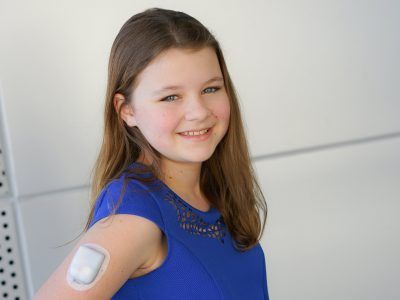
Continuous glucose monitoring (CGM) has revolutionized our ability to detect and understand the dawn phenomenon. CGM provides glucose readings every 1 to 5 minutes, allowing families and healthcare teams to see exactly when blood sugar begins to rise and how much it increases. This real-time data, along with trend arrows showing the direction and speed of glucose changes, helps identify patterns that would be impossible to catch with fingerstick testing alone. Many CGM systems also offer remote monitoring, so parents can track their child's overnight glucose levels and receive alerts for highs or lows.
How Automated Insulin Delivery Systems Manage the Dawn Phenomenon
The most significant advance in managing the dawn phenomenon has been the development of automated insulin delivery (AID) systems. These systems integrate a CGM, an insulin pump, and a control algorithm that automatically adjusts insulin delivery every 5 minutes based on real-time glucose readings and predicted glucose trends.
Research shows that AID systems are particularly effective overnight. Studies demonstrate that children using AID systems achieve nearly 20% more time in the target glucose range (70-180 mg/dL) during nighttime hours compared to daytime, with significant reductions in both high and low blood sugars. The systems work by automatically increasing basal insulin delivery when glucose levels rise or are predicted to rise and decreasing or suspending insulin when levels drop or are predicted to drop.
Real-world data show that AID systems follow the natural pattern of insulin needs throughout the day. Basal insulin requirements are highest between midnight and 10 AM (reflecting the dawn phenomenon), and lowest between 10 AM and midnight. The systems automatically deliver more correction doses in the evening (9 PM to midnight) and fewer in the early morning (5 AM to 10 AM), matching the body's changing insulin sensitivity.
Most current AID systems allow you to adjust glucose targets. Many also include activity modes that raise glucose targets and reduce insulin delivery during exercise to prevent low blood sugars.
For Families Not Yet Using AID Systems
For children using once-daily long-acting insulin, taking it in the evening allows the subtle peak to occur around dawn. However, research shows that long-acting insulin analogs may not cover a strong dawn phenomenon as well as AID systems do.
Dietary Management
Eating breakfast remains very important, as it decreases the secretion of hormones that drive the dawn phenomenon. Your mother was right when she said that breakfast is the most important meal of the day! Additionally, meals with higher protein and fat content can affect glucose levels differently than carbohydrate-only meals, sometimes requiring adjustments in insulin timing or dosing.
Exercise and the Dawn Phenomenon
Exercise, especially in the evening, has been shown to reduce the effect of the dawn phenomenon. However, evening exercise can also increase the risk of low blood sugar during the night and up to 16 hours after activity. For children using AID systems, the device-specific activity modes can help prevent exercise-related lows by raising glucose targets and reducing automated insulin delivery. For those not using AID, strategies include reducing basal insulin by about 20% after exercise, eating a bedtime snack, and monitoring glucose levels closely overnight.
Working With Your Healthcare Team
Managing the ever-changing glucose trends and insulin needs requires ongoing monitoring and adjustment.
Your healthcare team can help you review CGM data to identify dawn phenomenon patterns and optimize your child's diabetes technology settings. With today's advanced tools, families have more support than ever in achieving healthy glucose levels throughout the night and day.

The Power of Screening & Early Detection for Type 1 Diabetes: The Diagnosis I Wish We Could Have Had