Back to School with Type 1 Diabetes: A Checklist for Families
Dianne Chorny RN, ND, MPH, Diabetes Resource Nurse • June 16, 2026
TL;DR
Returning to school with type 1 diabetes can feel overwhelming for students and parents alike. This back-to-school guide outlines the key steps families can take to prepare for a safe and successful school year, including meeting with the school nurse, updating diabetes care plans, organizing supplies, reviewing 504 accommodations, and maintaining open communication with school staff. With the right preparation and support, students with T1D can fully participate in school while staying safe and healthy.
Preparing for Back to School with Type 1 Diabetes
Going back to school with type 1 diabetes can be scary for both the student with type 1 and their family. Make sure to read our back-to-school checklist to make the transition easier!
- Find out who your school nurse is and get the health plan in place
For the returning student (and family) with T1D there has typically been some transition planning prior to the end of the previous school year. If the student is returning to the same school and has the same nurse, the health plan may require just some fine tuning. The nurse will discuss with the student and family any changes that may have occurred over the summer, has the student started doing more of his/her diabetes care? Does the student no longer require assistance with carb counting? Are lows to be treated in the health room like last year or is the student ready to treat lows in the classroom and what will that look like?

You can meet with the school nurse in person, virtually or on the phone to discuss any changes that may be needed to the health plan. Nurses and other school personnel are back in buildings at least one week prior to the return of students, so having these meetings prior to the first day of school is preferred. You are encouraged to bring in the diabetes supplies at that time. Nurses use this week prior to the first day of school for lots of training!
When a student has been newly diagnosed over the summer, families are advised to contact the school secretary who can then put the family in contact with the nurse that has been assigned to that school.
The school nurse is responsible for ensuring that the classroom teacher, specials teachers, bus drivers and any other staff that may come in contact with the student know about the T1D diagnosis and appropriate response to high and lows.
2. Diabetes Supplies for School
The first item on this list is a copy of the most recent physician orders. The school nurse will use these orders in consultation with you to develop the school day plan of care.
- Physician Orders
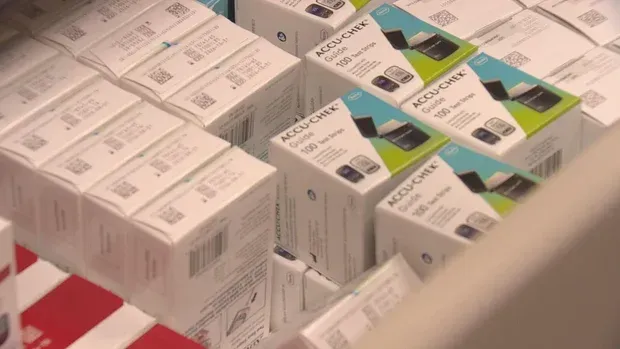
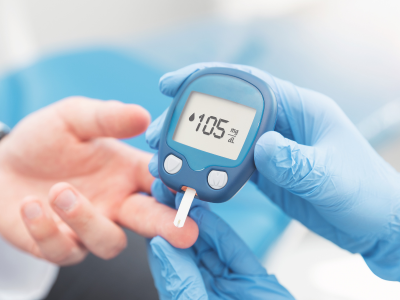
- Blood Glucose Meter (even if your child uses a CGM), Test strips, Lancing device, lancets
- Fast Acting Sugar such as: juices, Smarties, Skittles, Glucose tabs or gummies,
- Glucose gel/cake decorating gel
- Glucagon for emergencies (Glucagon Emergency Kit or Baqsimi or Gvoke)
- Stabilizing Carb snack such as: granola bars, peanut butter or cheese crackers
- Ketone testing supplies (urine ketone strips, blood ketone meter)
- For pen users – insulin pen and lots of pen needles
- For pumpers – pump supplies (pods, insertion sets, cartridges) and back up insulin to support changing out equipment while your child is at school. The school nurse will not change out sites/pods but having the needed supplies on-site at the school could make it easier for you to come to the school to assist your child.
- Consider an extra CGM sensor to be left at school
Most health rooms can provide a bin or box for any of the supplies that your child will keep in the health room. A sharps container will be provided by the school. You may want to bring some extra fast acting sugars and stabilizing carb snacks that can be kept in your child’s classroom. A small bin for these supplies with your child’s name on it can be helpful.
**Health room staff should let you know when supplies are running low.**
3. Talk with your school nurse about 504
If your child already has a 504 in place, the 504 team will meet with you annually to review the accommodations and make changes as needed. If you feel that the current 504 is not meeting your child’s needs, let the 504 team know so that an earlier meeting can take place. If your child does not currently have a 504, please let your nurse, your child’s teacher or admin know. Remember that the 504 outlines the accommodations and related aids and services that are necessary for your child to fully access educational programming. The health plan provides the detailed instruction for support of diabetes care needs during the school day.
Click here to download a sample 504 plan. Click here to download a Spanish version.
3. Keep Lines of Communication Open
Make sure that the school has current phone numbers and e-mail addresses. Who can the school contact if you are unavailable? Stay in touch with the school nurse. Reach out with questions and concerns. Let her know how you want to be informed about glucose numbers and trends. A daily e-mail update? A copy of the diabetes log at the end of the week?
The goal of good diabetes management during the school day is to keep children with diabetes safe and “in-range” while minimizing disruption to their learning.
Going back to school can be overwhelming for all students so be sure to talk to your student about things other than type 1 (they are more than just their disease)! When they get home from school, try to have the first thing you ask them about be something not related to type 1 and then circle back. Remember type 1’s can do anything their peers can do, they just need a few additional pokes and snacks!
Good luck to everyone going into their new school year! Remember CDF is always here for you!
Additional Back-to-School resources:
Click here to download some free back-to-school printables.
Click here for more information about our type 1 support groups.
Since 2013 and updated annually, the Colorado Kids with Diabetes and Prevention Collaborative, has issued the Standards of Care for Diabetes Management in the School Setting & Licensed Child Care Facilities.
ADA Safe-at-School – Here you can find information on the laws that protect the rights of students with diabetes as well as training resources for school nurses and other school personnel.

The Power of Screening & Early Detection for Type 1 Diabetes: The Diagnosis I Wish We Could Have Had