Type 1 Diabetes Clinical Trials: Translating Research to Clinical Practice
Sidney Smith, RN & Sarah Hudnall, MS, RDN • November 17, 2026
TL;DR
Clinical trials are transforming the future of type 1 diabetes care. Through personal experiences with teplizumab (TZield), Sidney and Sarah demonstrate how research participation can lead to treatments that delay the progression of type 1 diabetes. Their stories highlight the importance of clinical trials, early detection, and continued research in advancing care and bringing hope to people living with or at risk for T1D.
Sidney's Story: Participating in the Trial That Led to Tzield
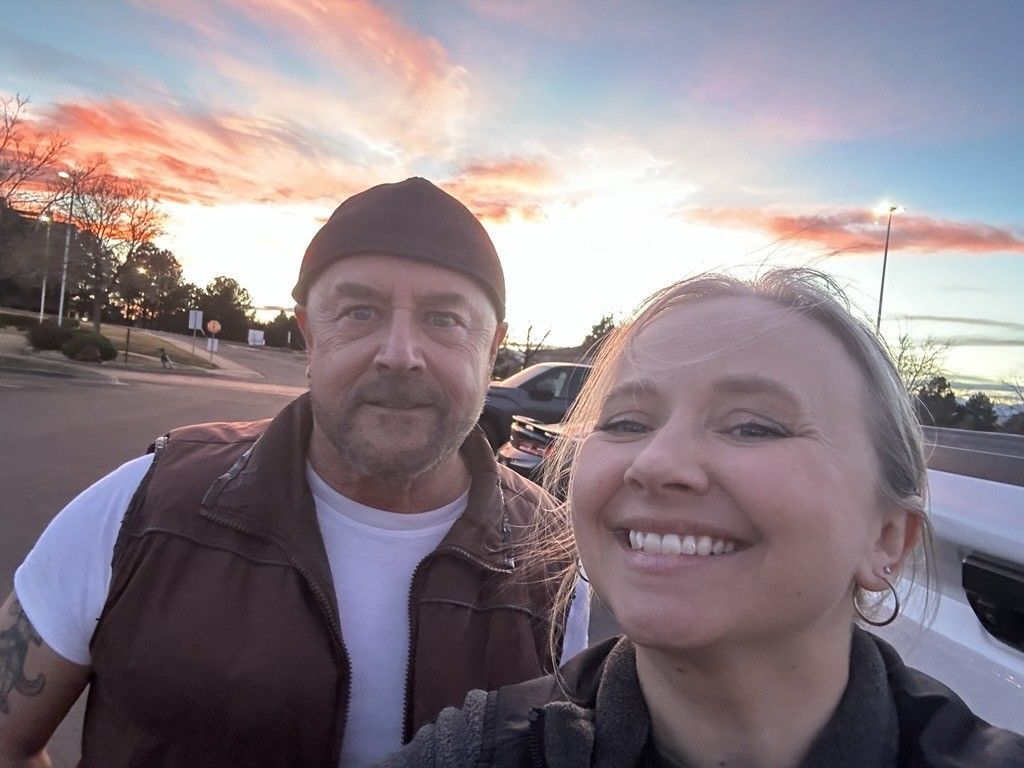
Sidney Smith is a Registered Nurse, a Certified Diabetes Care & Education Specialist with the Barbara Davis Center for Diabetes, and a type 1 diabetic
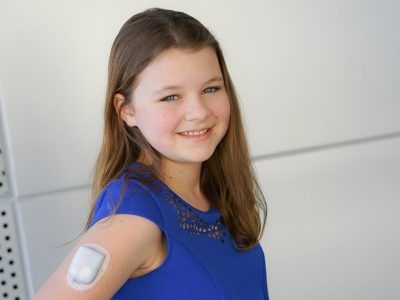
Sidney: When I was 8 years old I was multiple antibody positive for type 1 diabetes. At that time there were no studies being done to delay type 1 diabetes so I was monitored by Trial Net and waited for my diabetes to progress. When I was 13, I was given the opportunity to participate in the TN-10 trial which was testing a monoclonal antibody therapy designed to delay the progression to Stage 3 type 1 diabetes and the need for insulin. I was nervous about trying a medication that was not yet approved but also felt that contributing to research was important. I completed a 14 day infusion and continued in follow up studies for several years.
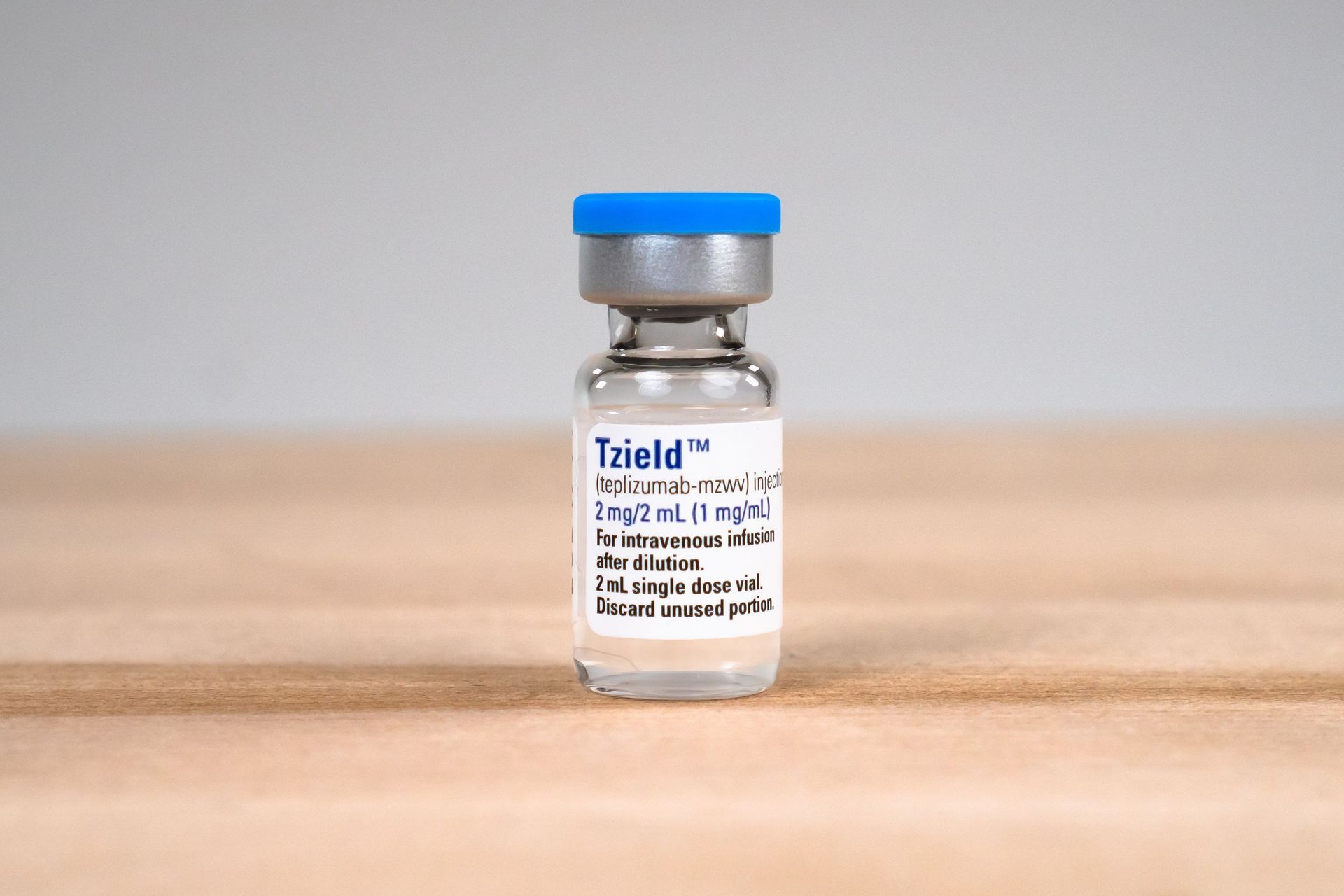
Six years after the infusion, I was diagnosed with stage 3 type 1 diabetes in a follow up visit. My diabetes was caught extremely early which meant I never went into DKA and my A1C remained close to 7% as I transitioned to insulin therapy. In 2022, TN10, now known as teplizumab, was initially approved by the FDA to delay the onset of type 1 diabetes.
Why Placebo Groups Are Essential to Clinical Research
When the results were finalized 10 years after completing the study, I learned I was in the placebo group which means I did not actually get teplizumab all those years ago. This fear of "what if I get the placebo" is a common reason people opt out of clinical trials. Without having people as a control, there is no way to compare interventions like teplizumab to those who do not get the intervention. Without a control group, interventions don't get approved. Deciding to take part in a study where you may end up getting a placebo is a difficult decision, but the control groups are as important to advancing new therapies as the group receiving the intervention. Even after getting the placebo I would absolutely do the trial again.
Sometimes I wonder if I would have stayed off insulin even longer if I had gotten teplizumab in the original trial. Would I have held off even longer before progressing? Needed even less insulin? Then I remember that because I was in a clinical trial teplizumab exists. Because of that trial I get to infuse patients with teplizumab nearly every week to delay the onset of type 1 diabetes. Because of clinical trials, interventions like teplizumab exist.
Sarah's Story: Experiencing the Benefits of Teplizumab Treatment
Sarah Hudnall is a Registered Dietician and Certified Diabetes Care & Education Specialist living with Stage 1 T1D
Sarah: Last August, I learned that I had Stage 2 type 1 diabetes. Like many people facing a life-changing diagnosis, I felt overwhelmed at first. Fortunately, I was given the opportunity to receive a 14-day course of TZield (teplizumab).
My incredible care team took the time to explain the treatment, answer my questions, and prepare me for what to expect. I was also fortunate to connect with another person living with Stage 2 type 1 diabetes who had already completed treatment. Hearing her experience gave me confidence and helped me decide to move forward with treatment.
I'm incredibly grateful to clinical trial participants like Sidney, whose willingness to participate in research made this treatment possible for people like me.
Although we faced a few delays early on, I was able to complete treatment late last fall. Overall, the experience went very well. I was nervous about having a PICC line placed, but it turned out to be much easier than I had anticipated. I did experience some side effects during treatment, including redness and itching on my palms, nausea, and headaches, but they lasted only a few days and were well managed with medication.
In May, I returned for my six-month follow-up visit. I was so encouraged by my results--my fasting blood glucose, A1C, and oral glucose tolerance test had all improved, placing me back into the Stage 1 range. My C-peptide levels, which reflect my body's ability to produce insulin, had also improved. Seeing these results brought an incredible sense of relief and significantly reduced the worry that I felt about my diabetes.
How Teplizumab Is Changing the Future of Type 1 Diabetes Care
Looking back, I would choose this treatment again without hesitation. What excites me even more is that continued research has expanded access to TZield. Today, children ages 1-8 with Stage 2 type 1 diabetes and children and adolescents ages 8-17 who have recently been diagnosed with Stage 3 Type 1 diabetes can also benefit from this groundbreaking therapy.
My experience has given me hope-not only for my own future, but for the future of everyone affected by type 1 diabetes. We have made tremendous strides in early detection and treatment of this disease, but there is still more work to do. Continued research and clinical trials are crucial to developing better therapies and hopefully someday a cure for Type 1 diabetes.
This article was originally published on the Association of Diabetes Care & Education Specialists (ADCES) members' website in July, 2026.


The Power of Screening & Early Detection for Type 1 Diabetes: The Diagnosis I Wish We Could Have Had