A Family’s 40-Year Journey with Type 1 Diabetes
Mary Walsh, Mother of Two T1Ds & a T1D Herself • March 13, 2020
TL;DR
When nine-year-old Katie was diagnosed with type 1 diabetes on Friday, March 13, 1981, her family's life changed forever. What began as a frightening diagnosis became a lifelong journey of resilience, education, advocacy, and hope. Decades later, with two daughters living with T1D, a mother who was later diagnosed herself, and generations supported by the Barbara Davis Center, this family's story demonstrates how acceptance, education, and advances in diabetes care can help people live full, successful lives.
Recognizing the Early Signs of Type 1 Diabetes
It was a Friday, March 13th and a typical day in our household. The three girls were dressed and fed and sent off to school. I knew I would see Katie later as her class was going on a field trip and I would be one of the drivers. Not long into the school day Katie’s teacher called to say Katie had wet her pants. So, I took her a change of clothing and reminded her I would see her later.
When I returned to the school the teacher was having the children get ready to go to the Planetarium at City Park in Denver. She told all of them to make a trip to the bathroom. Once organized, I was off with a carload of kids. Katie’s teacher rode with us. At the Planetarium, once again the teacher told the kids to go to the bathroom and reminded everyone that if they needed to go to the bathroom during the show they could not return.
We settled into our seats and the show began. Halfway thru the show I got a tap and it was Katie saying she needed to go to the bathroom. I whispered a reminder that we could not return, and she understood. Once in the hall I watched as she stopped at the drinking fountain for a drink and then went to the bathroom. A light went on in my head and I said to myself, “I know what you have, you have diabetes.” On the way back to the school I repeated the same to her teacher.
Receiving a Type 1 Diabetes Diagnosis in 1981
At home I called the pediatrician’s office and requested she be seen that day. My husband worked at home, and my Mom was visiting so I left them with the two other daughters. At the pediatrician’s office they wanted a clean catch urine specimen from Katie. I knew they thought they were dealing with an infection only. I reminded them to
check the sugar in her urine. All of this occurred prior to blood testing. Soon after the doctor came in and said,” Well, she has what you think she has.” We had discussed in the past my concern about the history of diabetes in my own family. My Dad had type 2 diabetes and his mother had type 1 and died at age 53. The doctor’s recommendation was to take Katie to the Children’s Hospital and see Dr. Klingensmith. This was before Dr. Klingensmith had joined the Barbara Davis Center.
Learning to Live with Type 1 Diabetes as a Family
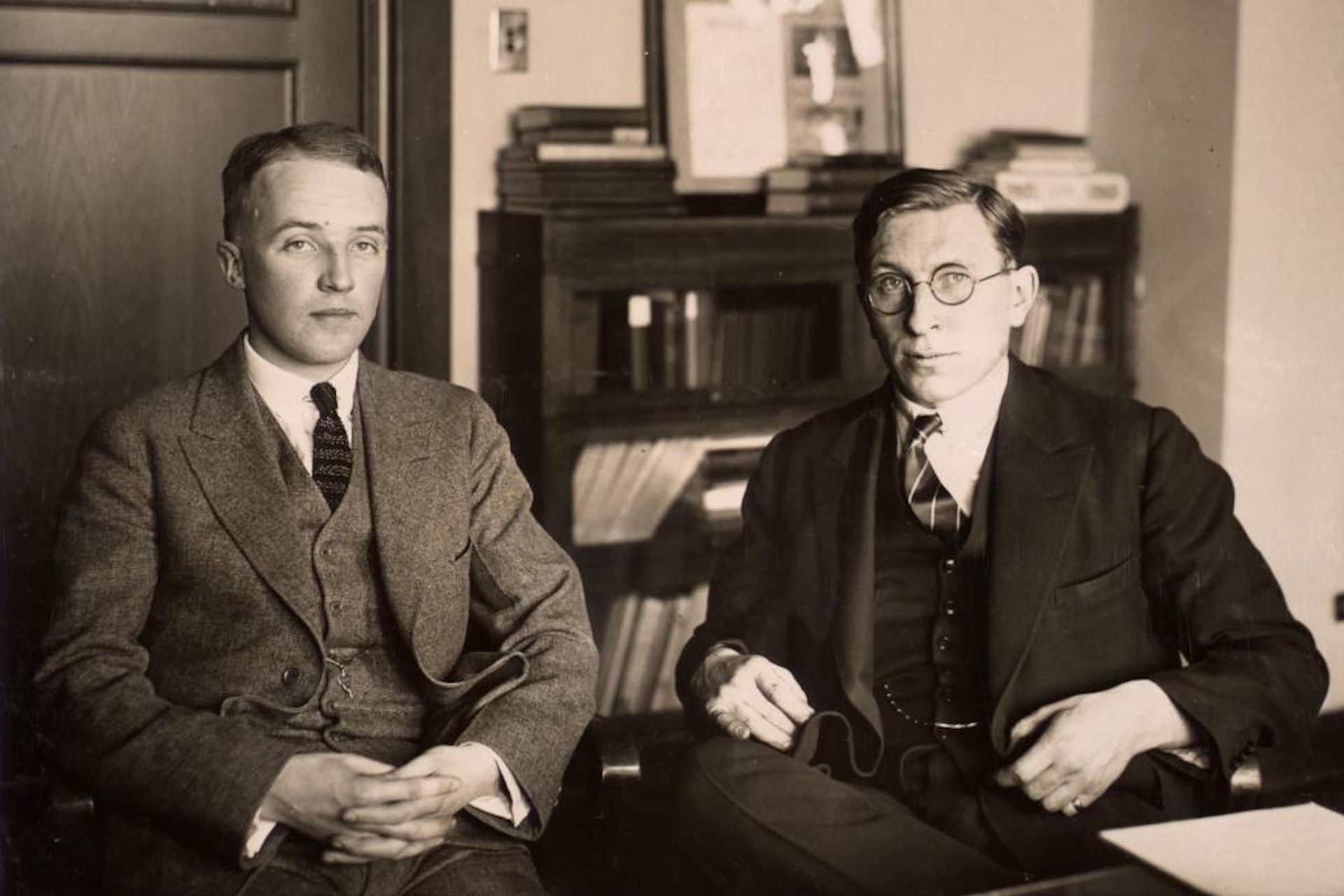
Dr. Klingensmith told me that diabetes was known to have occurred in the cavemen, and the only thing that helped was with-holding food— not very practical. Not until the
discovery of insulin in about 1924 was there any treatment. Then nothing much occurred until the 1950’s with the discovery of oral medication for type 2. She said now that discoveries in diabetes treatment were bounding ahead with so much new on the horizon. I knew much of what she said because my college education was in nursing. I also knew our life would be changing very quickly. Katie was in the hospital for several days, and I insisted she would learn how to give herself a shot even though she was one month short of being a 9-year-old! Yes, I was a tough Mom but a realist knowing she had to accept her new way of living and so did our other children.
Finding Support Through the Type 1 Community and The Barbara Davis Center
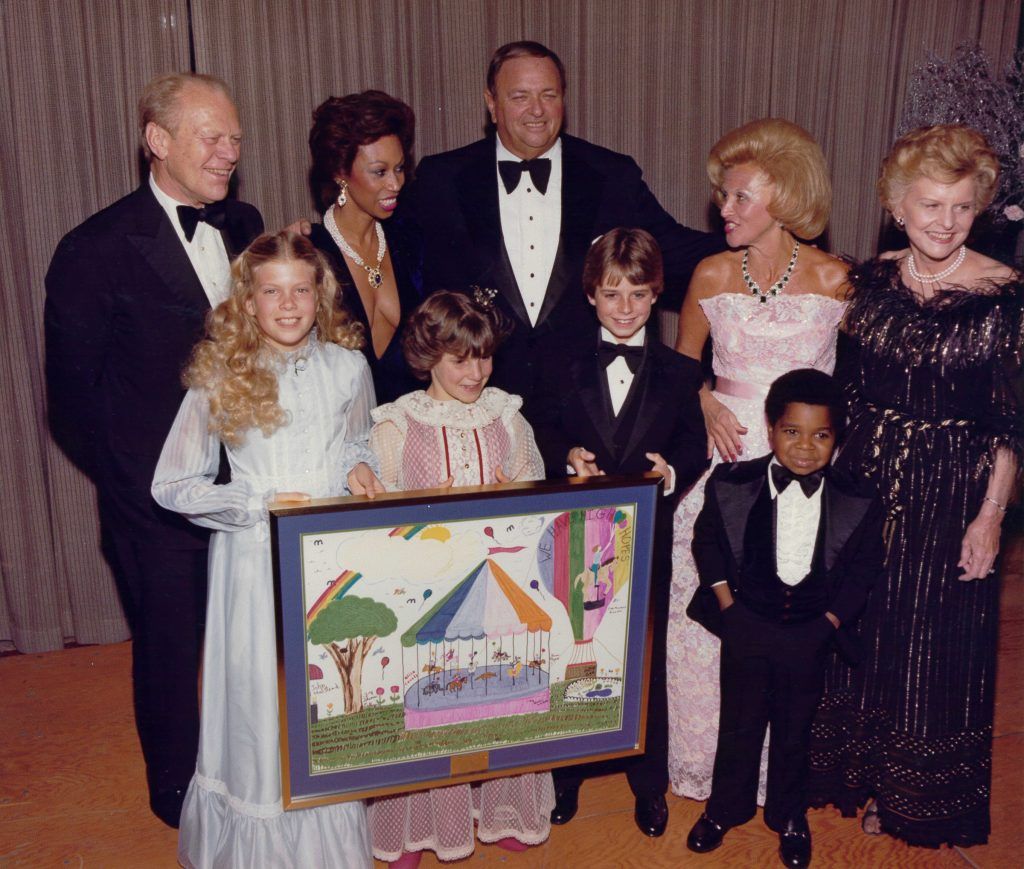
For the next 4 years she did a great job with her diabetes. She loved going to camp, and her sisters got to go also to Camp Shady Brook (then the host of “diabetes camp”). They all got to take part in the ski trips, Halloween parties, and Katie went to a Carousel Ball. Every year Katie made sure we went out to dinner on March 13th to celebrate the date of her diagnosis. I know, who would do such a thing?
Shortly after Katie was diagnosed, I stopped by the
Barbara Davis Center and met Dr. Chase. While I was a stay at home mom, I did miss nursing and so I asked about volunteering at the center. He welcomed me with open arms, and for the next 9 years I
volunteered there once a week in the clinic. Eventually I also started doing school education, going to classes that had a newly diagnosed child with diabetes to help allay their fears. So many children were told many untruths about diabetes, so I would try to help them understand this disease.
When Another Child Was Diagnosed with Type 1 Diabetes
Several months before Katie’s 4th diaversary, the clinic started testing siblings to see if any had antibodies. I said I would take the necessary supplies home and drawn blood from my husband and our other two daughters. Believe me, I had a lot of convincing to do for all three, especially the youngest who was coming up on birthday 10. Finally, they all agreed, and I took all the specimens back to the clinic. At that time, they had to be sent elsewhere for testing and testing was not done frequently. Six weeks must have gone by when the phone rang on March 13th. It was Dr. Klingensmith and she wanted us to know that Elizabeth, our ten-year-old, had the antibodies, and if she did not already have diabetes, she probably would within six months. My reply was I wanted her started on insulin immediately because I could not give her the false hope that she would never have diabetes. Although she never said it, I was sure Dr. K. did not want to do that.
Growing Up, Thriving, and Achieving with T1D
Accepting diabetes was particularly tough for her but she did it. Both girls did. They competed in sports and were active in academics, theater, church, and generally life. Both were outstanding students in their high school days. Their father maintains that is because of the regimented life they had to lead, testing for blood sugars, watching their food intake, and taking care of their general health.
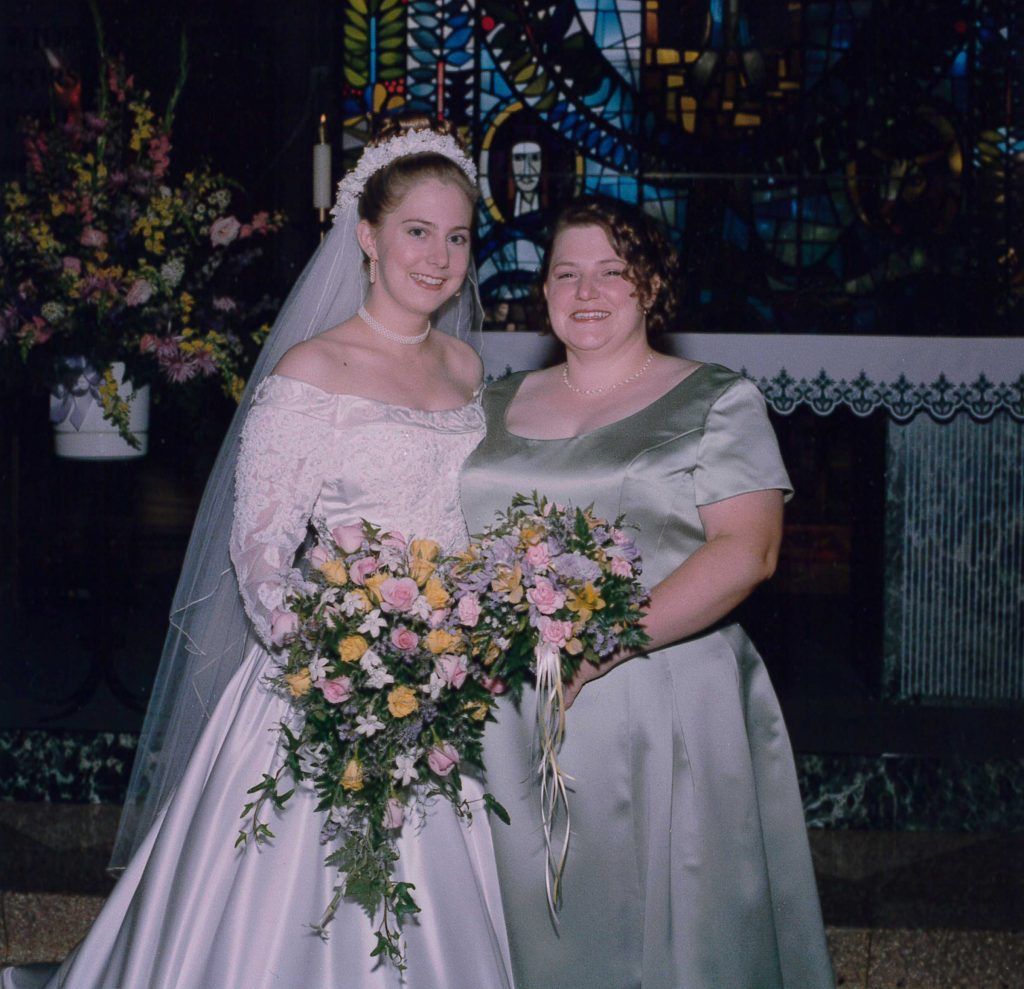
After Katie graduated high school, she attended Regis University on a four-year academic scholarship. She graduated with degrees in Biology, Chemistry and Spanish. Elizabeth graduated three years later with the same scholarship, with degrees in Biology and English. Katie has at least 2 masters and Elizabeth one. Katie has been a long tenured teacher in the Aurora Public Schools, and Elizabeth works in the Department of Family Medicine at the University of Colorado Anschutz campus. She is a Senior Instructor in the School of Medicine, teaching doctors how to write. Her main focus has always been on grant writing. Both of them have wonderful husbands and each have 2 children.
New Technology and Three Generations Living with Type 1 Diabetes
At the age of 13, Katie asked for an insulin pump for Christmas. At the time she was the youngest patient to ever get one at the Barbara Davis Center. That was early 1986. Our family accepted diabetes as part of our lives. I knew someday I too would join them and was diagnosed late with type 1. They are the ones who encouraged their mom to get an insulin pump!
Diabetes is what it is, and no, it is not easy. We started our journey in March of 1981, so it has been part of us for a long time. I also have a brother with type 1 as well as a niece and nephew with type 1. No one plays the blame game as we know it is a genetic link up from both sides as well as other factors. Our 4 grandchildren have all been tested and are clear. Even in 1981 everyone was begging for a cure. Someday it will come and meanwhile acceptance is best for all. Oh yes, Katie and Elizabeth also share a birthday, 3 years apart!

The Power of Screening & Early Detection for Type 1 Diabetes: The Diagnosis I Wish We Could Have Had