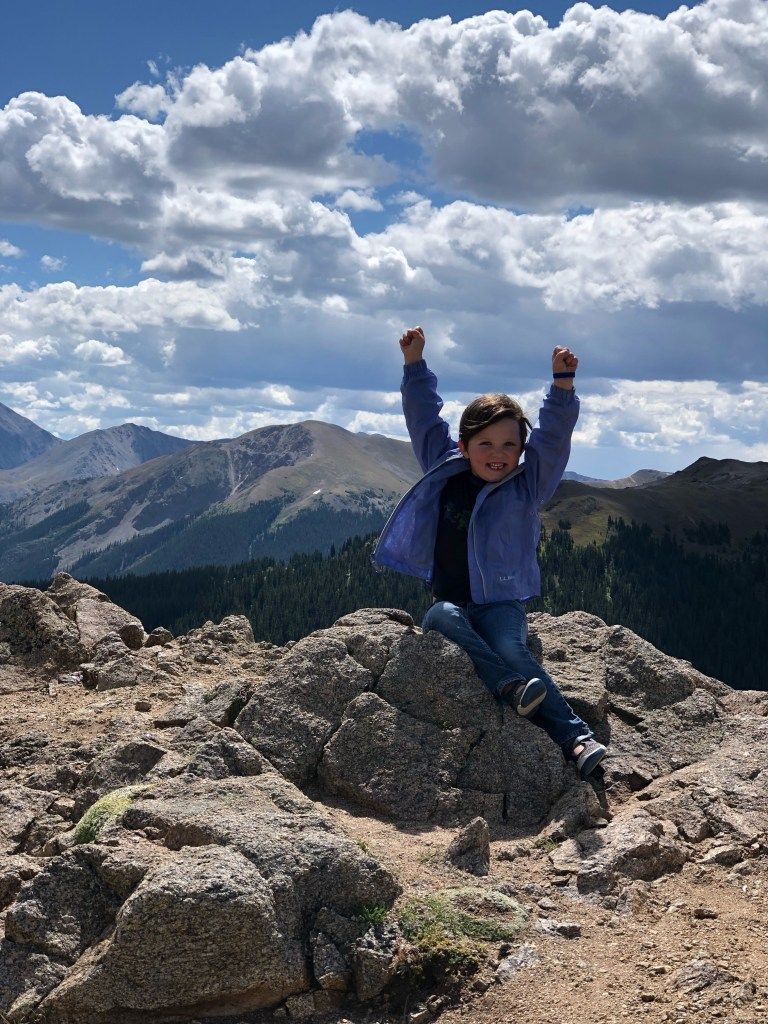
Frankie-stein’s Monster
Graham Daugherty • October 30, 2019
by Beth H., Frankie’s mom
Halloween 2016 is the day our lives changed forever. I know it probably sounds dramatic, and looking back now, I recognize that all of that change hasn’t been bad, but life-changing is the only way to describe it.
I’m an RN, and had noticed that our 2-year-old, Frankie, had been drinking a lot of water, losing weight, and had been wetting the bed. I explained away these tell-tale symptoms, as most parents do. Of course she drinks a lot of water, it’s the only liquid she consumes, and we don’t limit it because we live at altitude — most people are chronically dehydrated here. She’s turning 3 soon, she’s starting to thin out and lose her baby chub, so of course she appears thinner. She’s becoming a child, outgrowing that toddler look. And finally, she wasn’t potty trained. She must have been exceeding what her overnight diaper could hold because she slept all through the night. The day we drove from Parker to Colorado Springs, Frankie exceeded the limits of her diaper and I knew we couldn’t ignore the signs any longer. I’ll be completely honest, I mentioned diabetes to a couple co-workers one day, approximately 1 month before diagnosis, and they assured me I was just thinking with my nurse brain. The same co-workers were the first to cry with me and hug me when we got the news.
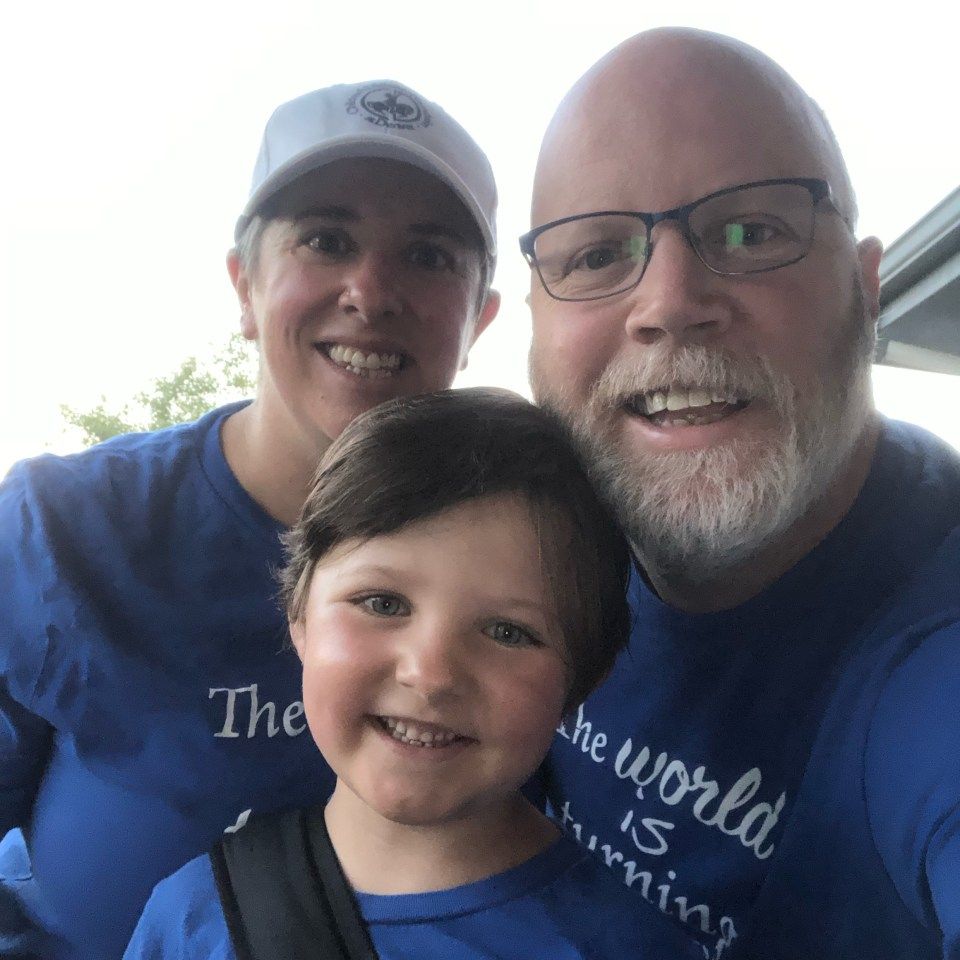
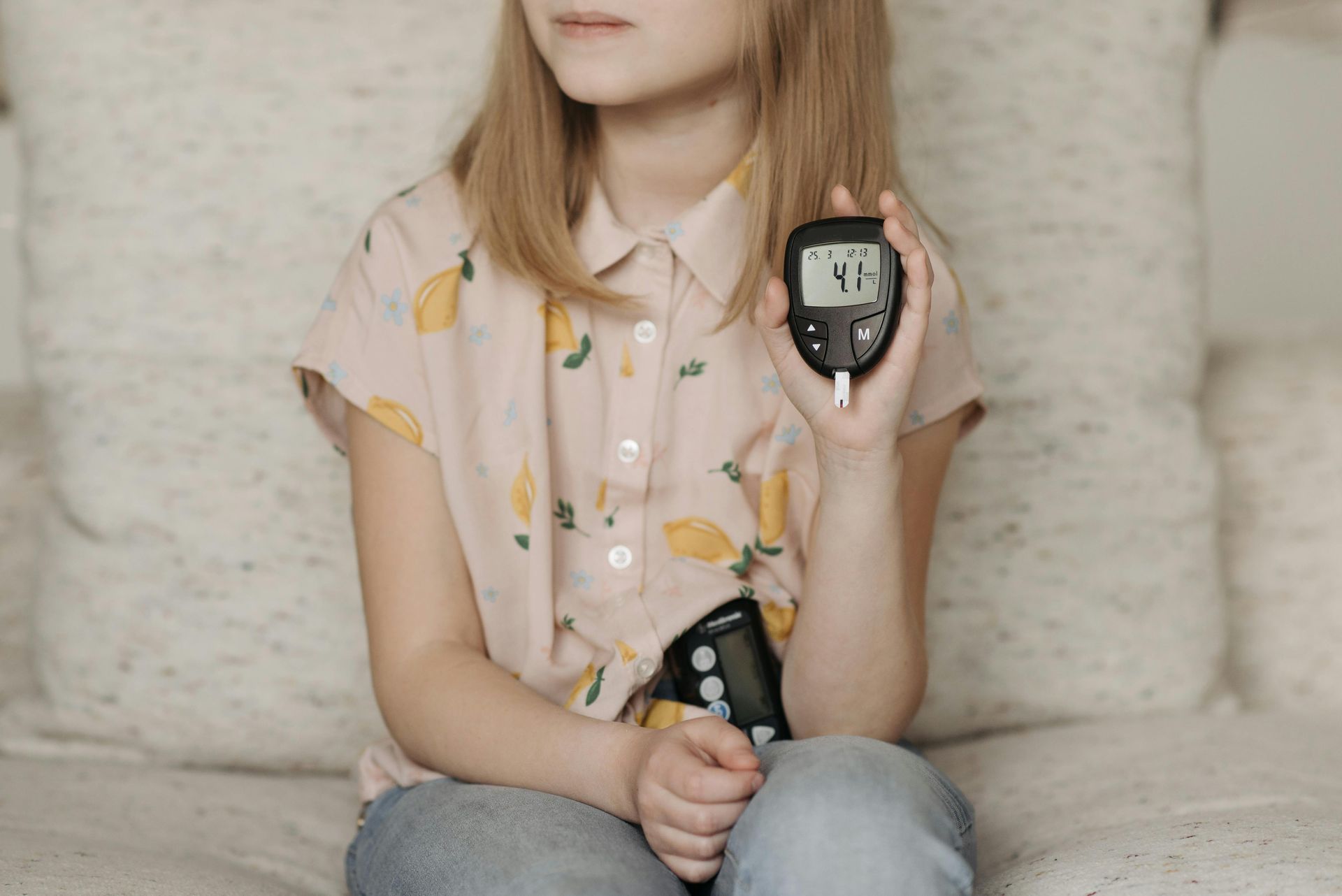
October 31, I went to work, and I had my husband, Jason, call to get Frankie an appointment with our pediatrician. To this day, I will be forever grateful for the doctors at Pediatrics 5280 in Castle Rock for listening to my husband when he said, “We need an appointment today because we think Frankie has diabetes.” They got her in at lunch and not once tried to look for any other cause. They did a urine dip and then a finger poke. Jason called me at work. “It’s over 400. It won’t even read on the machine.” I instantly broke down in tears and told him, “I’ll head home, pack bags, and we’ll head to Children’s Hospital as a family.”
I remember walking into Children’s ER, they were expecting us. Luckily, since Frankie had visited me when I worked there, she walked in confidently. I was in full on hysterics at this point, unable to even hold my tears in for short periods. I’ll be forever thankful that Jason was able to be our rock that day. I swear he wanted to say “Aren’t you a nurse? Act like you’ve been here.”
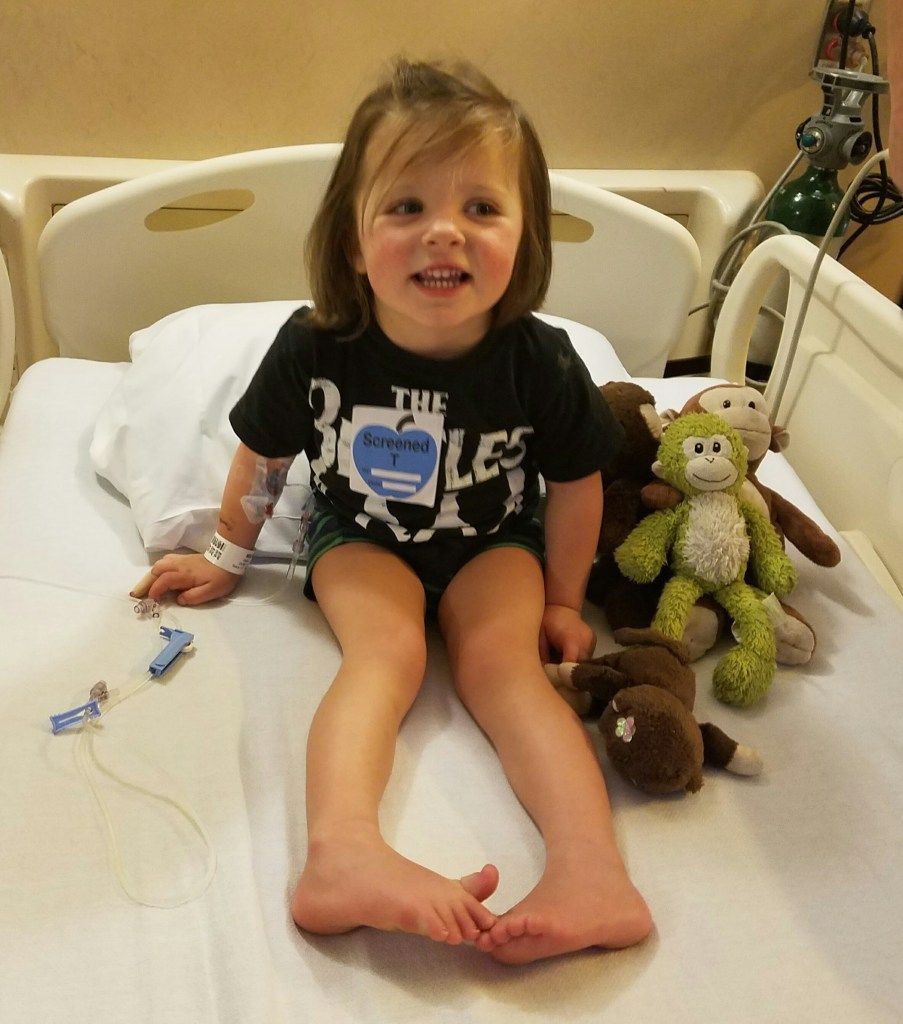
Huge shout out at this point to the child life specialist who worked the ER that night — ROCK STAR! She kept Frankie distracted as the RN, dressed as a teenage mutant ninja turtle, started her IV and took blood. Our RN was awesome, and he got her IV in one stick. Although he kept avoiding answering my question “What is her A1C?” I later realized why he was avoiding it; it was so high it was unable to be read on the lab equipment. It was over 15… I had definitely been ignoring the signs and symptoms.
We waited in the ER for hours to get a room on the medical floor. Thankfully, Frankie was not in DKA (diabetic ketoacidosis), so she did not need to go to the ICU. We were greeted, in her hospital room, around 11pm by a resident in a ballerina costume. If your 2-year-old has to spend the night in the hospital, I highly recommend Children’s on Halloween.
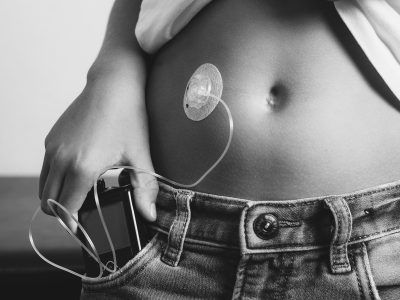
We were discharged early in the morning. We needed to walk across the street to the Barbara Davis Center for an 8am check-in. Here we were greeted by our amazing care team. A whirlwind of type 1 diabetes, finger pokes, carb counting, insulin regimens, and meeting our endocrinologist — Dr. Alonso. We geeked out over all of the diabetes tech coming down the way and talked baseball (our beloved Cubbies were playing in the World Series at the time). He also told me I saved Frankie from DKA, that listening to my momma gut and RN brain, saved my kiddo. I’m not sure if I truly appreciated the sentiment at the time, but now I fully do.
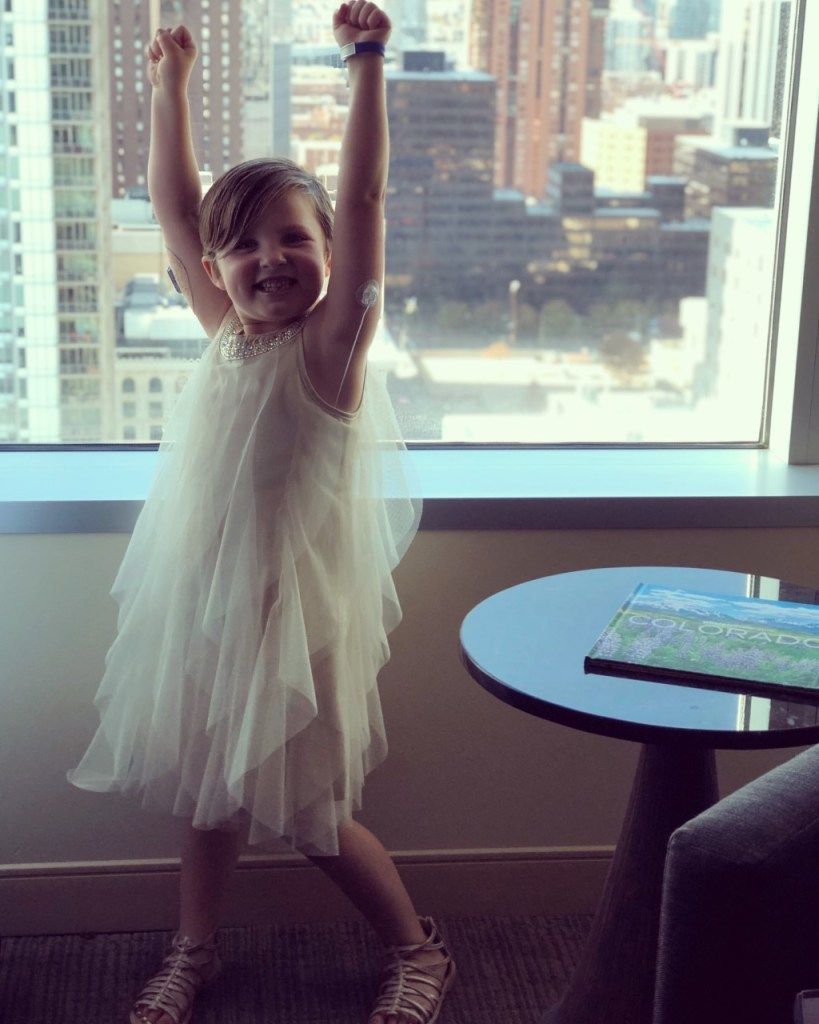
When I say all the life changes haven’t been bad, Frankie’s diagnosis has led us to an amazing community:
the co-workers whose children were diagnosed 6 months before and 6 months after Frankie;
the stranger who met me for coffee and talked for 2 hours while I was in a sleep deprived state;
the other T1D moms who know that texts at all hours of the night are ok because we’ve all been there, and we all understand;
the newly diagnosed parents who I can recognize from across the room — we see you and you aren’t alone. I promise, it gets better;
Frankie’s best friend who doesn’t have T1D, but her mom does;
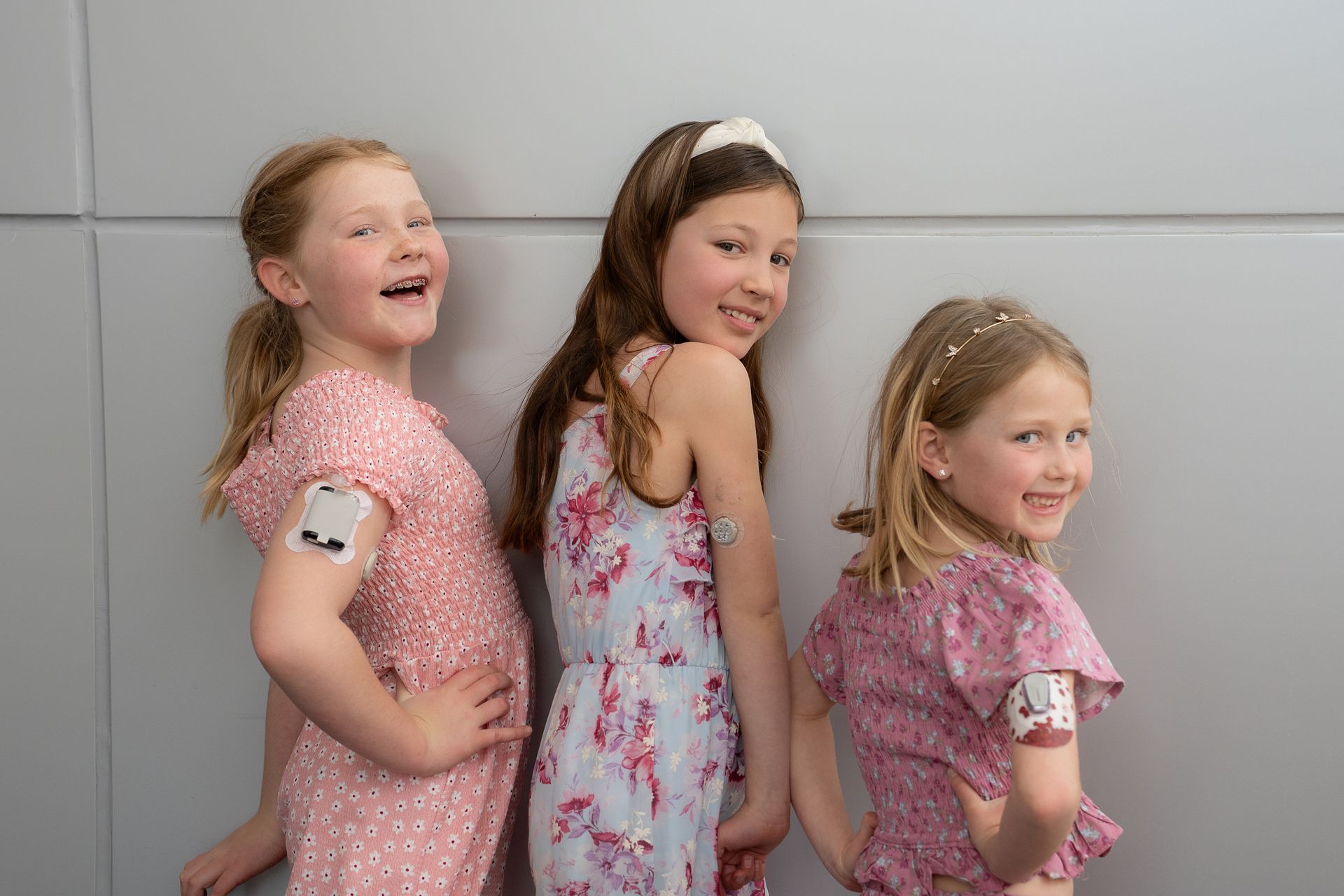
the amazingly strong friends Frankie has made who will ensure that she never goes through this crazy T1D life alone.
If type 1 diabetes is the hand Frankie was dealt in life, we couldn’t have chosen a better place than Colorado to call home.