Diabetes Will Not Win
Graham Daugherty • November 12, 2019
Thursday, November 12, 2015, is a day I will never forget. It was a particularly cold day here in Colorado. It snowed the day before so there were still patches on snow on the ground. My son, Gavin, who had just turned 4 years old on October 20, was experiencing some questionable symptoms. For about a week, Gavin was experiencing extreme thirst, excessive urination, and he was wetting the bed, all of which he had never done before. He would grab a standard 16 oz water bottle and chug it, and within minutes he was running to the bathroom. In a typical day he was going to the bathroom anywhere between 15-20 times. I remember being so frustrated with him and wondering if this was one of those weird phases that kids experience. I was washing his sheets every single night. My husband and I decided to take Gavin to the pediatrician just to rule out a potential bladder infection or UTI. My husband had taken our son in while I went to work and that’s when I got the scariest text message of my life. He said, “You need to come home right now.”
I began to shake, my heart began to race, tears welled in my eyes, I knew something was wrong. I immediately called my husband and he was reluctant to tell me anything over the phone, but I can be very persuasive. He finally told me that they are pretty sure Gavin has type 1 diabetes and we need to go to Children’s Hospital. I could not think straight. I began to sob and then I thought, they are wrong. This just cannot be right. Type 1 diabetes? No one in our family has type 1 diabetes.
Type 1 diabetes is an autoimmune disease where the body attacks the cells that produce insulin. As a result, the body will no longer be able to produce insulin. The cause of type 1 diabetes is a combination of genetics and unknown environmental factors. There is no cure for type 1 diabetes. I tried to convince myself that they were wrong, and he was fine. I had no idea how quickly our lives were about to change.
When we arrived at the hospital everything began happening so fast. We were all so confused. When they checked Gavin’s blood sugar it was just over 600 mg/dL. A normal blood sugar for someone with a working pancreas is between 70-80 mg/dL before meals and less than 140 mg/dL after meals. A blood sugar level of 600 mg/dL can lead to a condition called diabetic ketoacidosis, if left untreated, this can lead to life-threatening dehydration, organ failure, and death. I never knew how serious this disease was until Gavin was diagnosed. Gavin was not in diabetic ketoacidosis when we brought him into Children’s Hospital. The nurses and doctors continued to come into the room and poke Gavin. He was so confused. We kept telling him that he was sick, but he felt fine, so he did not understand why we had to stay in this room and why he continued to get poked. Gavin had an IV inserted into his arm so they could pump fluids into his body. He received insulin shots in his stomach. He screamed and cried as I held him down, while the nurses administered this life saving medication. I wanted this all to go away. I wanted to go back to the day before where my son was running around and smiling.
The next several months were some of the most difficult and dark times I have ever experienced. Gavin was receiving 8-10 shots a day. Every single time he ate something with carbohydrates, he needed insulin. Some days I was administering shots within 10 minutes, one after the other. Gavin would hide from us when it was time to give him a shot. We had to hold him down. He would call us mean and he would even try to bite, hit, and kick us. How do you explain to a 4-year-old that you are not hurting him, but keeping him alive? Gavin still did not understand why he continued to need insulin shots. I cried, a lot. Gavin would ask us why he had diabetes and why we couldn’t just take it away from him. I remember waking up and thinking, wow I just had a terrible nightmare, only to realize that the nightmare was true, and I was living it. That was when I made a choice, diabetes would not win.
There will be hard days and there will be great days. I decided that diabetes would not control our life, even when it decides to rear its ugly head.
“Strength doesn’t come from what you can do. It comes from overcoming the things you once thought you couldn’t.” -Rikki Rogers
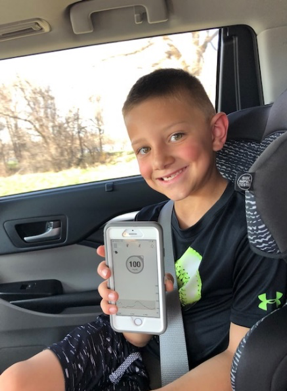
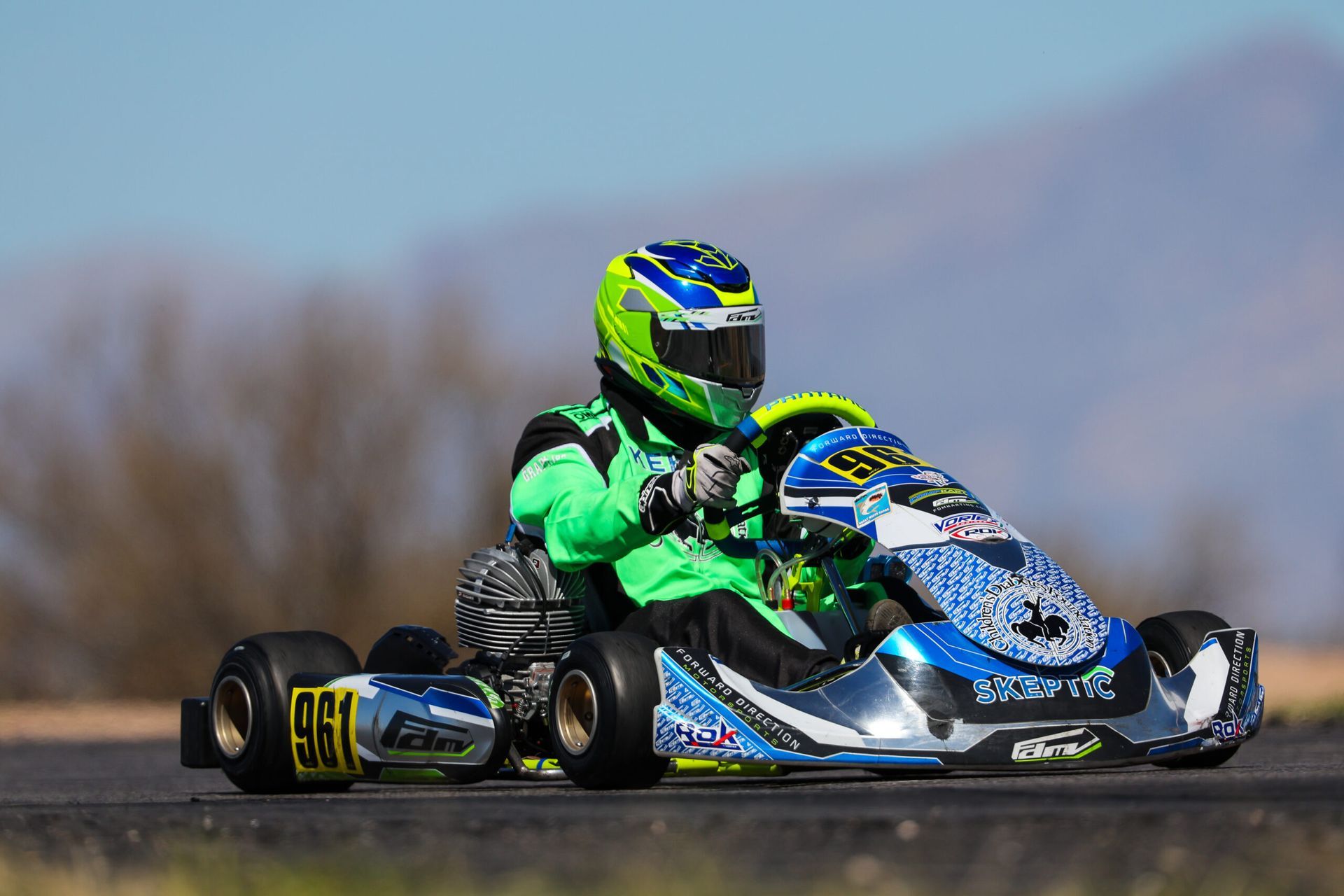
Gavin has lived with type 1 diabetes for 1,460 days. We have lost countless hours of sleep. Gavin has received over 6,000 finger pokes, approximately 490 pump site changes, and roughly 300 continuous glucose monitor changes. When I look at Gavin, I don’t see a type 1 diabetic. I see a strong 7-year-old boy who is thriving. Gavin continues to live life to fullest by doing things he loves. Gavin loves riding his dirt bike, having nerf gun battles with dad, horseback riding, and making us all laugh with his joyful personality. I asked Gavin what it means to have type 1 diabetes and he said, “It’s stressful. It hurts. But I can still do everything. I am tough!” Gavin is the strongest boy I know. Gavin will continue to overcome and achieve anything he puts his mind to because he is stronger than diabetes.