Happy Hearts and T1D
BDC Research Staff • February 5, 2020
TL;DR
A Harvard-led study found that poor blood sugar control in people with type 1 diabetes may trigger an autoimmune response that damages the heart and increases the risk of cardiovascular disease. Researchers discovered that higher glucose levels may injure heart tissue, leading the immune system to attack heart proteins. The findings reinforce the importance of tight blood sugar management to help protect long-term heart health in people living with T1D.
Harvard Study Links Type 1 Diabetes to Heart Autoimmunity
According to a Harvard-led study published in the American Heart Association’s journal Circulation, keeping type 1 diabetes under tight control through medication and monitoring may help prevent an immune reaction that attacks the heart.
Dr. Myra Lipes, the study’s senior author and an investigator at Harvard Medical School’s Joslin Diabetes Center in Boston, and other researchers looked at data from a broad clinical trial involving type 1 diabetes patients who were randomly split into two groups.
People in one group tightly controlled their blood sugar levels with intensive insulin treatment and frequent glucose monitoring, while those in the other were looser with their regulation and had higher blood sugars. At the start of the experiment, participants were free of heart disease and had regular blood pressure and cholesterol levels.

How High Blood Sugar May Damage the Heart
The researchers found that people exposed to higher blood sugar levels were more likely to develop an autoimmune response to the heart proteins that was linked to later development of heart disease, including calcium buildup in heart arteries, heart attack, bypass surgery and death.
“It wasn’t something in the blood itself that triggered this reaction,” Lipes said. “It’s that the high glucose levels injure the heart muscle tissue, and we postulate that the immune system of people with type 1 diabetes overreacts to this heart injury.”
People with type 1 diabetes have a higher risk of developing heart disease than the general population, but the reason why hasn’t been clearly understood. In fact, people with both types of diabetes are known to be at higher risk for heart disease, just for different reasons.
The study points out that the difference for patients with type 1 diabetes may stem from the creation of antibodies that attack the heart, said endocrinologist Dr. Robert H. Eckel, a professor of medicine at the University of Colorado.
Differences Between Heart Disease in Type 1 and Type 2 Diabetes
“They don’t occur in everybody, but the control of the diabetes relates to the formation of these antibodies against heart proteins,” said Eckel, who was not involved in the study. “In type 2 diabetes, you just don’t see these antibodies being developed.” The study stresses the importance for patients with type 1 diabetes to keep their condition under control, he said.
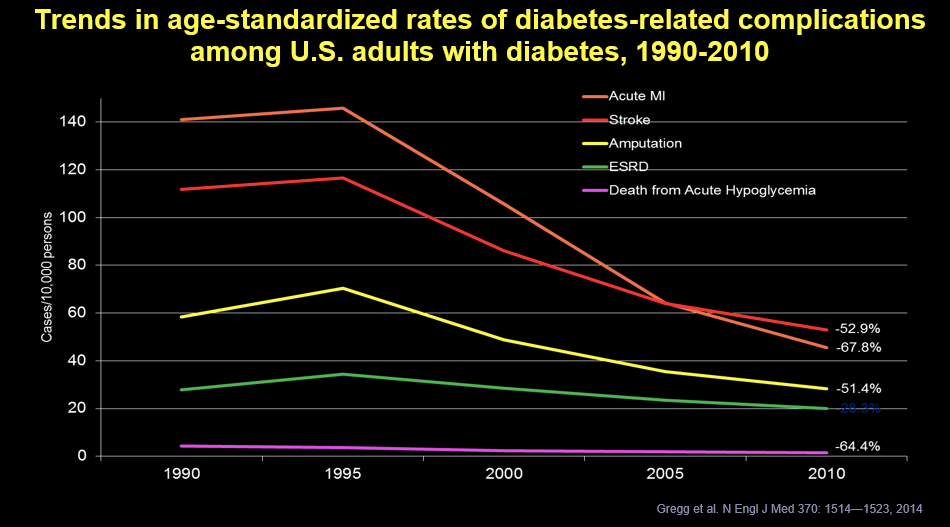
While diabetes does increase the risk of mortality and increase the risk for heart disease, the good news is that we have seen an overall reduction in heart disease risk among American adults with diabetes over the last several decades.
“First of all, control your diabetes to prevent losing your eyesight, to prevent your kidneys from failing, and also to keep your nerves functioning normally,” Eckel said. “But now, we know that better control of your blood sugar seems to prevent this autoimmunity against the heart from occurring.”



The Power of Screening & Early Detection for Type 1 Diabetes: The Diagnosis I Wish We Could Have Had