How Taekwondo Helped Me Cope with Type 1 Diabetes

8 Year Old Pepper, a T1D and Yellow Belt in Taekwondo • February 4, 2020

TL;DR

After being diagnosed with type 1 diabetes at age seven, Pepper struggled with constantly thinking about blood sugar levels, insulin doses, and diabetes devices. Everything changed when Taekwondo became an outlet for building confidence, focus, and resilience. By discovering a passion outside of diabetes, Pepper learned that while T1D is part of life, it doesn't have to define every moment. Her story encourages children with diabetes to find activities that bring joy, confidence, and balance.

Adjusting to Life After a Type 1 Diabetes Diagnosis

I was diagnosed with Type 1 when I was 7 years old and I wasn’t sure how my life would change, but I knew it was going to change forever. At first, I would think about diabetes all the time. I would worry that my blood glucose number was too high or too low. I would stress about my CGM insertion and pod insertion. I would wake up thinking about diabetes and spend the whole day thinking about what I should eat and when and how much to dose. 


Building Confidence Beyond Type 1 Diabetes

Then I started Taekwondo and I stopped constantly thinking about diabetes. When I’m on the mat sparring, I don’t have room in my head to think about diabetes. I’m too busy punching and kicking and blocking. And even when I’m off the mat, I don’t think about diabetes all the time anymore because I think about my forms and improving my balance and competing. I still think about diabetes a lot, but not as much as before. Maybe Taekwondo isn’t for everyone, but I hope everyone with diabetes finds something they love to take their mind off diabetes.


A man and a little girl are posing for a picture
Three children on a podium holding medals for their competition
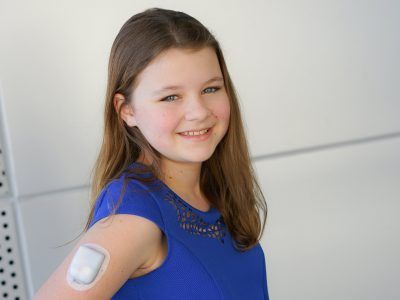
A young girl in a blue dress with a CGM on her arm.
By Natalie Griffin, T1D and Patient of the Barbara Davis Center June 24, 2026
Follow Natalie’s journey with Type 1 diabetes as she navigates blood sugar highs and lows, daily care, family support, and hope for a cure.
Author Lindsay Klatt and her father, smiling for the camera
By Lindsay Klatt, a T1D and Current Stewardship Manager at CDF June 18, 2026
A heartfelt Father’s Day tribute honoring the love, sacrifices, and support of dads helping children navigate life with type 1 diabetes.
A girl with a CGM on her arm that says back to school
By Dianne Chorny RN, ND, MPH, Diabetes Resource Nurse June 16, 2026
Get essential back-to-school tips for students with type 1 diabetes, including 504 plans, supplies, safety, and emotional support.
12 things that make type 1s happy banner with three type one children showing their cgms
By CDF Staff May 28, 2026
Discover 12 everyday moments that bring joy to people living with type 1 diabetes, from waking up in range to finding support and community.
Mimi Leahy and her T1D younger sister
By Mimi Leahy, Sister of a T1D May 13, 2026
A Colorado student transforms type 1 diabetes medical waste into Pink Panther art to raise awareness and inspire kids living with T1D.
Woman walking down sidewalk with her daughter and holding a blind cane
By Mary Ann Chamberlain May 11, 2026
One mother shares her journey with type 1 diabetes, vision loss, self-advocacy, and resilience while learning to prioritize mental health and care.
Smiling young girl on couch with bandage on arm and hospital bracelet on wrist
By Kimberly Belz, mother of two daughters, one with T1D May 5, 2026
Learn how early screening, TrialNet research, and Tzield treatment helped delay one child’s type 1 diabetes diagnosis and insulin dependence.
T1D camper Mia and her friend at camp with matching blood sugar levels on their phones
By Lauren Behm, Parent of T1D Camper, Mia May 4, 2026
Learn how overnight diabetes camp helps children with type 1 diabetes build confidence, independence, friendships, and lifelong support.
A small vial of insulin and other diabetes treatment tools on a table.
By Dr. Paul Wadwa, MD April 24, 2026
Learn the key differences between type 1 and type 2 diabetes, including causes, symptoms, diagnosis, and treatment. Understand how to recognize misdiagnosis.