Being a Kid with Type 1 Diabetes… Surrounded by other Kids
Mattie Peck, Former CDF Staffer and a T1D • November 12, 2015
TL;DR
Living with type 1 diabetes can sometimes feel isolating, especially when you're the only person in your school or community managing the condition. This story explores the powerful experience of connecting with other children who have T1D and discovering a sense of belonging, understanding, and confidence. Through diabetes camps, events, and community connections, kids learn they are not alone and can thrive alongside others who share similar experiences.
By now, I hope you’ve read about Parker Zarecki and his wonderfully supportive family (A New Life for the Zarecki Family and When Your Sibling has Type 1 Dabetes).
What It Feels Like to Be the Only Kid with Type 1 Diabetes
As an 11 year old boy, Parker is constantly around other kids and there are many different reactions that occur. But mostly, it’s a lot of questions…
What are you doing? Why are you going to the nurse? Why did you miss class? Why are you eating? Why aren’t you eating? Can you play games on your pump?
It’s never-ending. At times, it can even be distracting. When Parker has a low blood sugar and has to go to the nurse, he needs to come back to class ready to work, but that doesn’t stop his peers from asking questions first. Everyone is curious about type 1 diabetes and they want to learn why Parker is allowed to leave class when he doesn’t look sick.
Finding Other Kids Who Understand Diabetes
While Parker is great about informing and educating people, not having to deal with questions and curiosities is exactly why Parker loved going to the American Diabetes Association’s Camp Colorado for two summers (so far). It’s a place where children with diabetes can get together and just have fun. They participate in outdoor activities and there is no monotonous roll of questions from peers because everyone is going through the same thing. The kids all know the daily toll of diabetes, but this camp gave Parker the opportunity to forget it all and just be a normal kid.
Discovering That You Are Never Alone
Eating with friends can be rough because Parker waits for accurate carb counts (he looks them up or calls Mom and Dad). Sometimes Parker will see something he can’t have and that’s the most difficult part. Watching your classmates eat your favorite foods isn’t exactly fun. He’s even been mocked by peers about not being able to eat some things.
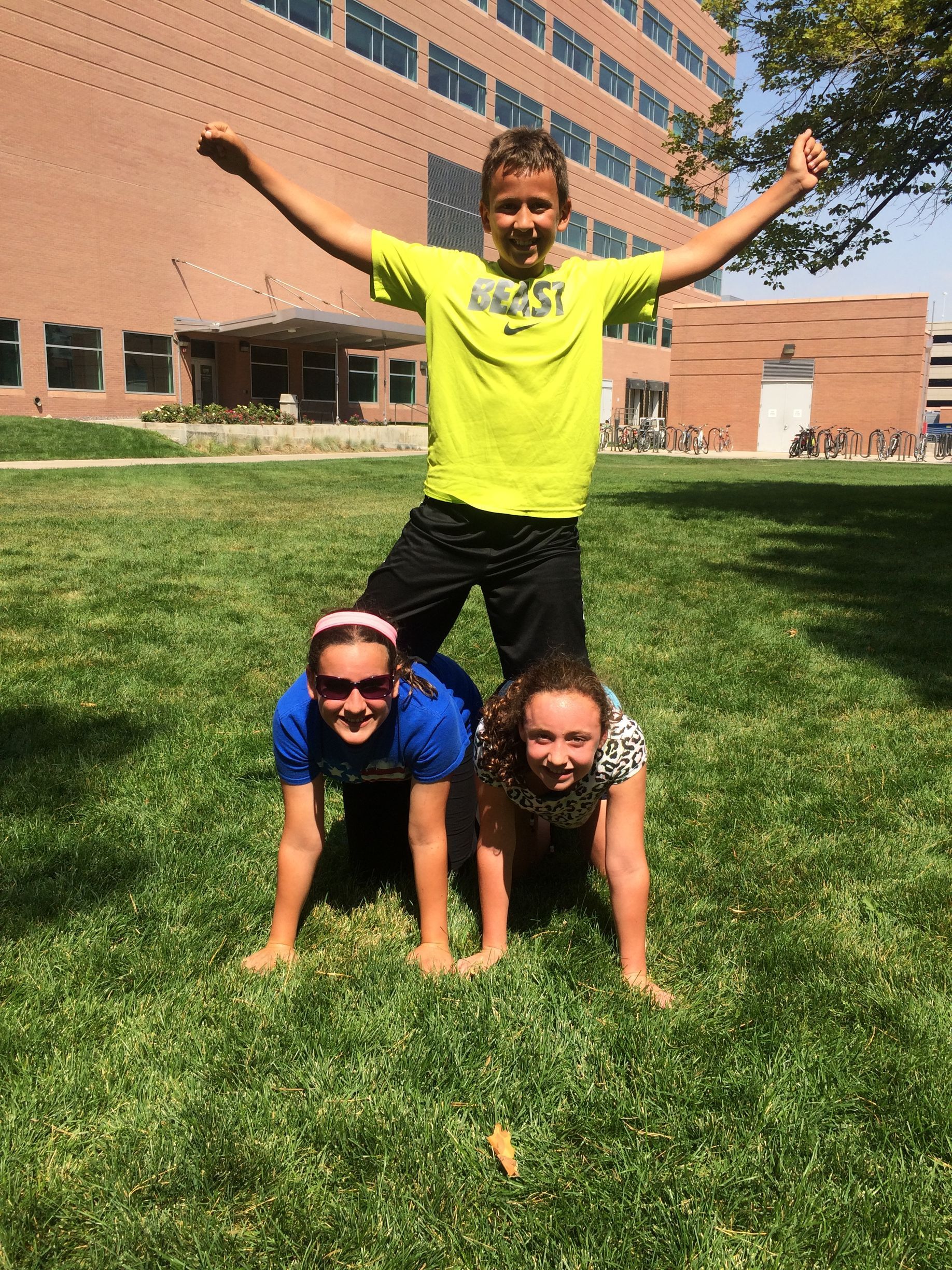
But Parker’s friends are champions and always stick up for him. They don’t eat what he can’t have when he’s around. They won’t even ask for it. Because that’s what friends are for! I asked Parker what the best thing about his diagnosis was? He answered that when he’s low, he can go to the nurse and get candy. No one else gets to skip class to snack on a hunk of sugar. Even though there’s a voice in his head saying, “Don’t eat that,” low blood sugars allow a diabetic to splurge a little!
I hope you enjoyed meeting Parker and his family these past few weeks on the CDF Blog! When you read this, I hope you realize that you can support your friend/significant other/child/parent/whatever the way Parker’s friends and family do. A strong support system can make all the difference for a diabetic to live a full, happy life despite some slight pancreatic complications.


The Power of Screening & Early Detection for Type 1 Diabetes: The Diagnosis I Wish We Could Have Had